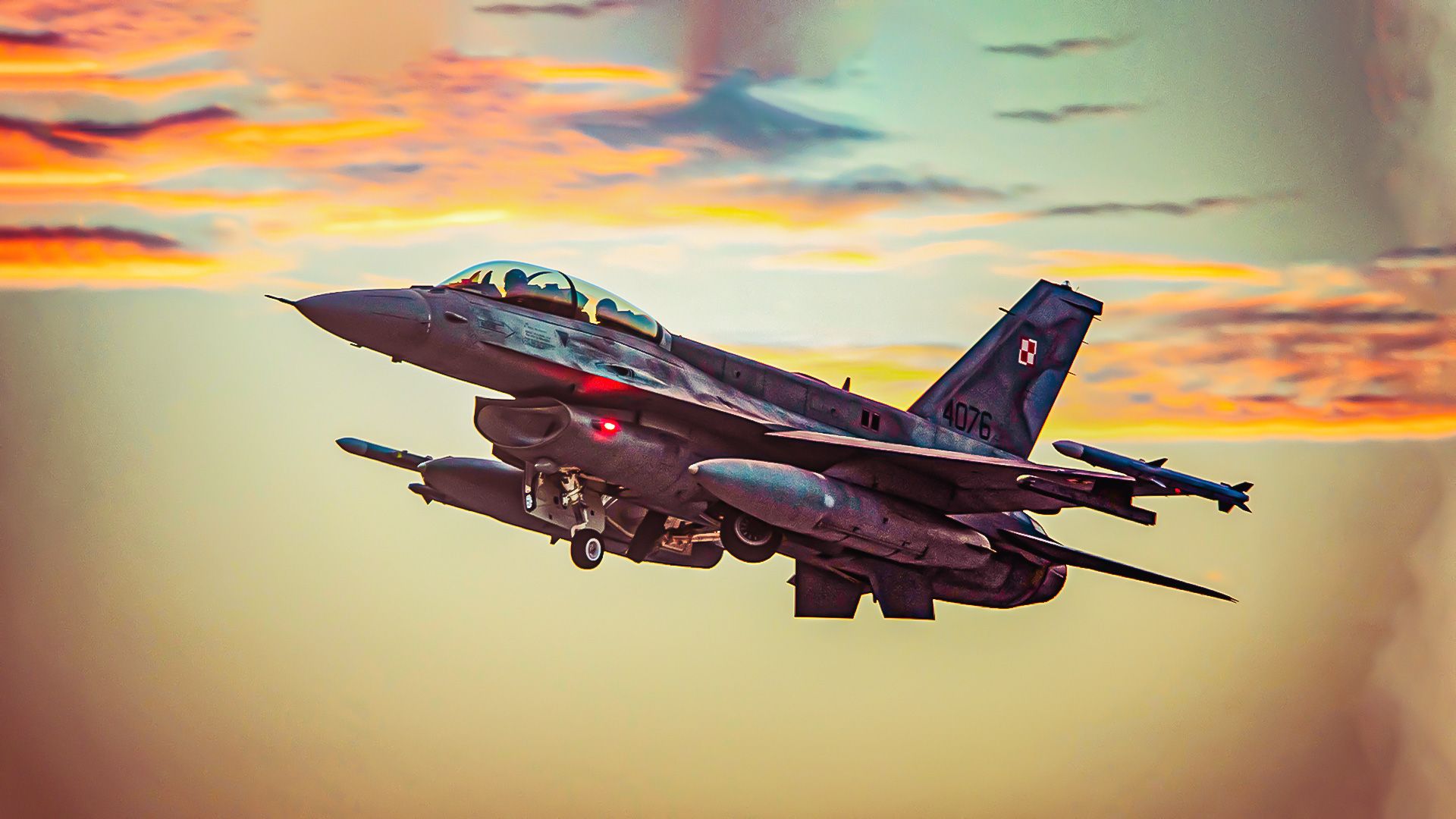
The competition between Boeing and Lockheed Martin in the production of fighter jets has intensified recently, raising significant interest in which company is currently leading in output. Both firms are integral to the United States defense industry and have been responsible for producing iconic aircraft that have shaped air combat history. As of 2023, the focus has shifted to their ability to meet modern military demands, particularly in terms of stealth technology, sensor integration, and production capacity.
Boeing’s Current Production Landscape
Boeing’s military division has been ramping up production of the F-15EX, a multirole fighter designed to operate effectively alongside advanced systems. The company has committed to delivering over 24 units a year under its contract with the Pentagon. This fighter jet combines advanced avionics with proven airframe design, allowing it to compete robustly in the current market. Boeing’s well-established production facilities and experience also play a crucial role in its capability to deliver aircraft efficiently.
Lockheed Martin’s Dominance with the F-35
On the other hand, Lockheed Martin continues to dominate the fighter jet landscape with its F-35 Lightning II. This fifth-generation stealth fighter has become a cornerstone of modern air forces, with production rates reaching approximately 150 units annually. The F-35 program benefits from extensive international partnerships, with many allies investing in the aircraft, further enhancing Lockheed Martin’s production capacity and market presence. The company’s significant investment in research and development has also kept it at the forefront of military aviation technology.
The competition is not merely about the number of jets produced but also about the technological advancements that each company brings to the table. Stealth capabilities and advanced sensor technology have become essential features that modern air forces require. The ability to integrate these technologies into a fighter jet can determine its effectiveness in combat scenarios.
Market Implications and Future Outlook
As military budgets evolve and defense strategies shift, the demand for advanced fighter jets is anticipated to grow. The United States Department of Defense aims to modernize its fleet, which could lead to increased orders for both Boeing and Lockheed Martin. Analysts predict that the rivalry will continue to intensify, especially as the need for advanced capabilities in air combat becomes more critical.
The outcome of this competition may significantly affect defense contracts and future technological advancements in military aviation. With both companies having distinct advantages, the question of which produces more fighter jets may not have a straightforward answer. Instead, it reflects broader themes in defense procurement and military strategy, where quality and capability increasingly matter alongside quantity.
In conclusion, while Boeing and Lockheed Martin both play pivotal roles in the fighter jet market, Lockheed Martin’s F-35 production currently leads in volume. The ongoing rivalry highlights the complexities of modern military needs and the importance of innovation in maintaining a competitive edge in the aerospace industry.