Bristol is set to launch a groundbreaking initiative next summer, establishing the world’s first “clean power hub” designed specifically for festivals and film crews. This innovative project will provide a reliable supply of clean energy to events, significantly reducing reliance on traditional fuel-driven generators. The Bristol City Council, in partnership with the West of England Mayoral Combined Authority, aims to enhance sustainability in the entertainment sector.
Tony Dyer, the leader of Bristol City Council, emphasized that achieving carbon neutrality requires action across all sectors, including culture. He stated, “This is a welcome approach to exploring how we can support the events sector to move away from the use of fuel-driven generators, in turn improving air quality and lowering emissions.”
The clean power hub aims to support local artists and major events, with the potential to transform how energy is sourced for cultural activities. Helen Godwin, the mayor of the West of England, expressed her enthusiasm for the project, describing it as an exciting development that aligns with the region’s commitment to both culture and environmental sustainability. She remarked, “Clean energy and the creative industries are both key growth sectors for us over the coming decade.”
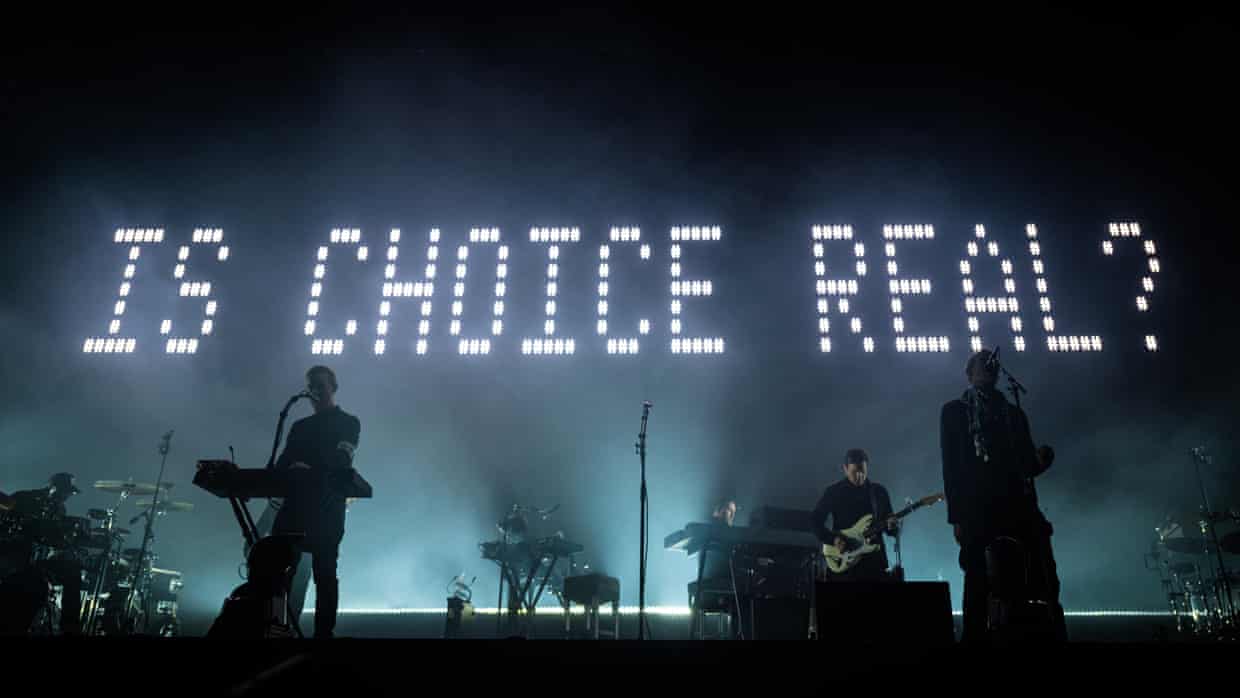
The initiative builds on previous efforts to promote sustainable practices in the region. Last summer, a festival organized by the trip-hop band Massive Attack utilized battery power, achieving the lowest carbon emissions ever recorded for such an event. The new clean power hub will take this concept a step further, offering electricity sourced exclusively from 100% renewable suppliers.
Two locations in Bristol have been selected for the hub, where electricity from the National Grid will be stored in batteries. These batteries can then be transported to various events as needed. Mark Donne, lead producer of Act 1.5—a collective focused on integrating art, technology, and science—highlighted the unprecedented scale of this project, stating, “It’s essentially providing clean mobile power for an entire event season—festivals, other cultural events, and film and television productions.”
The initiative anticipates that more than 20 events will utilize this clean power source, significantly reducing the environmental impact of festivals and improving the health of attendees and workers. Notable music festivals such as Love Saves the Day, scheduled for May at the Ashton Court estate, and Forwards Bristol in August, are already expressing interest in participating.
While some event organizers may initially be hesitant to fully transition to clean power, Donne is optimistic about the potential for compromise. “We’re realistic. Some people have long-running events and they have a formula, a way of working,” he said, suggesting that many could adopt a 50/50 approach between clean and conventional power sources.
Moreover, discussions are underway with several film and television production companies that frequently operate in the south-west, with three major producers already committed to utilizing the clean energy hub. Donne noted, “So it’s really two creative sectors making use of all of the hardware.”
The environmental and health benefits of this initiative are expected to be significant. Research conducted by Tyndall Manchester, which focuses on climate action and sustainability, will assess the hub’s impact on both air quality and carbon emissions. Donne concluded by reiterating the dual focus of the initiative, stating, “This is a clean-air strategy as well as a climate one, and a world-first for Bristol.”
As this project unfolds, it represents a pioneering effort to integrate sustainability into the fabric of cultural and entertainment events, positioning Bristol at the forefront of the global movement toward greener practices.