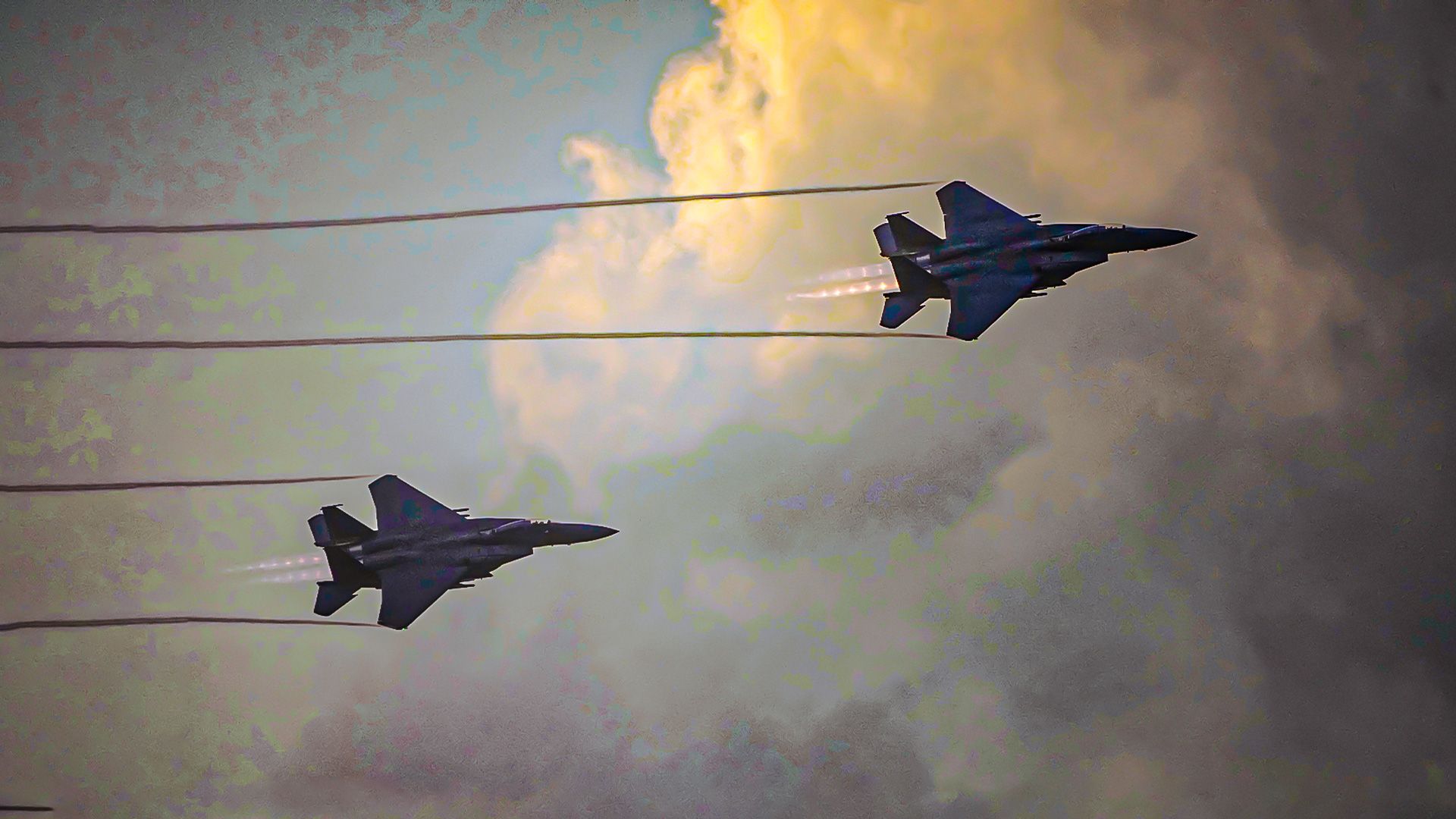
As the curtain rose on Super Bowl LX at Levi’s Stadium in Santa Clara, California, the event was not just marked by thrilling football and dazzling halftime shows. An intricate layer of aerial security was in place, ensuring safety for one of the world’s most-watched sporting events. On March 7, 2026, F-15 Eagle fighter jets from the California Air National Guard’s 144th Fighter Wing patrolled the skies, ready to intercept any unauthorized aircraft or drones threatening the event.
This year’s Super Bowl was classified as a National Special Security Event, prompting the implementation of a comprehensive air defense system. The Federal Aviation Administration (FAA) established a Temporary Flight Restriction (TFR) zone extending approximately 30 miles around the stadium. This restricted airspace was closely monitored by the North American Aerospace Defense Command (NORAD) and the FAA, ensuring that only authorized flights were permitted.
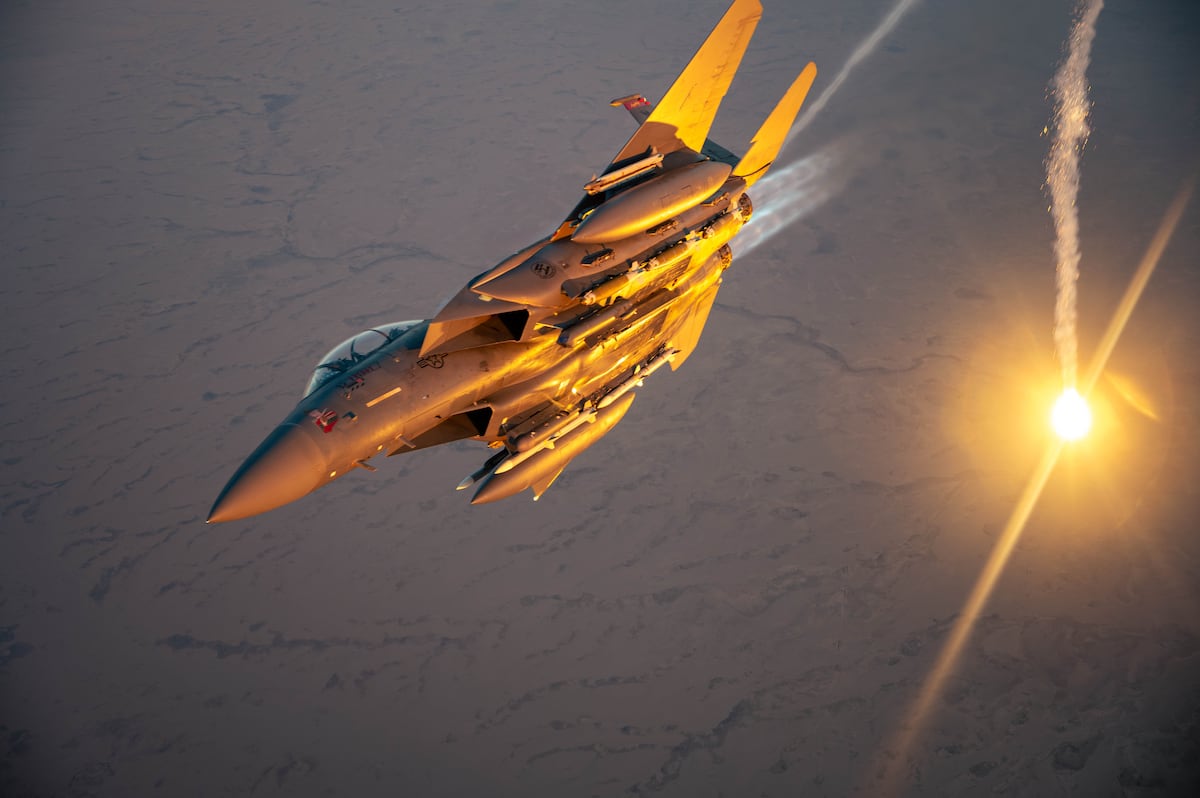
The F-15C Eagle fighter jets stationed at Fresno Air National Guard Base played a crucial role in this operation. These jets were not merely for show; they were tasked with vigilant patrols of the airspace surrounding the Super Bowl. Pilots from the 144th Fighter Wing engaged in extensive training exercises leading up to the event, including simulated intercepts in partnership with the Civil Air Patrol. Their objective was clear: maintain control over the airspace and respond effectively should any unauthorized aircraft enter the TFR.
The F-15 Eagle, renowned for its speed and agility, can reach a top speed of Mach 2.5. This capability makes it an optimal choice for rapid response missions. Pilots are trained to scramble from a cold-alert state, ascending to intercept unknown aircraft within minutes. Their approach involves a series of communication protocols designed to avoid confrontation. They utilize visual signals, radio contact, and maneuvering techniques to clarify the intentions of unidentified aircraft.
A notable aspect of the 144th Fighter Wing’s mission is its dual responsibility. While the National Guard typically responds to local emergencies, such as natural disasters, it also plays a vital role in national defense. This blending of roles underscores the evolving nature of the National Guard in contemporary air defense operations.
Coordinated Aerial Operations and Flyovers
For many viewers, the highlight of Super Bowl Sunday is not just the game itself but also the traditional flyover that follows the National Anthem. In 2026, this flyover was particularly significant, featuring a joint display of aircraft from various branches of the US military. The formation included two US Air Force B-1B Lancer bombers from Ellsworth Air Force Base, two F-15C Eagles from the 144th Fighter Wing, and two US Navy F-35C Lightning II fighters along with two F/A-18E/F Super Hornets.
This coordinated display showcased the interoperability among the different military branches, highlighting teamwork and precision in aerial maneuvers. The meticulous planning involved multiple rehearsal flights and extensive coordination with the FAA to ensure flawless execution. The joint flyover served not only as a tribute to the armed forces but also as a visual deterrent, reinforcing the security measures in place during the event.
Importance of Air Defense at Major Events
The presence of fighter jets during the Super Bowl is a precautionary measure rooted in risk management, particularly following the September 11 attacks. Large public gatherings can attract attention from unauthorized civilian aircraft, making it essential to have rapid-response capabilities in the air. The presence of F-15s acts as a deterrent while also ensuring safety for all attendees.
Airspace incursions can occur for various reasons, often without malicious intent. Private pilots may inadvertently enter restricted zones, and the rise of commercial drones presents new challenges. The F-15 pilots are trained to intercept these situations by guiding unidentified aircraft out of restricted airspace, minimizing potential safety issues before they escalate.
As aerial threats evolve, the methods used to secure airspace at events like the Super Bowl will also adapt. Future advancements may include enhanced radar systems, AI monitoring, and integrated civil-military command structures. Nevertheless, the human element remains critical. Pilots and support crews from the 144th Fighter Wing exemplify professionalism and readiness, blending tradition with modern operational demands to ensure the safety of significant public events.
In conclusion, the air defense strategies employed during Super Bowl LX not only highlight the capabilities of the California Air National Guard but also demonstrate the commitment to safeguarding large gatherings. The coordination between military and civilian authorities exemplifies a meticulous approach to security, ensuring that fans can enjoy the spectacle of the Super Bowl with peace of mind.