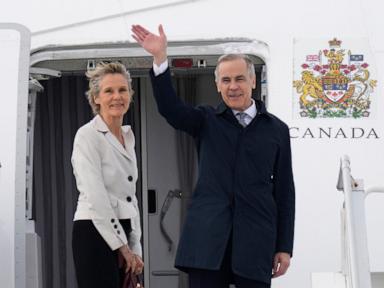
Canadian Prime Minister Mark Carney is on a significant diplomatic mission to India this week, aiming to strengthen trade relations and reduce reliance on the United States. Carney arrived in Mumbai on March 15, 2024, marking his first official trip to the country as Prime Minister. This visit is part of a broader strategy to enhance Canada’s economic ties with major markets beyond its southern neighbour.
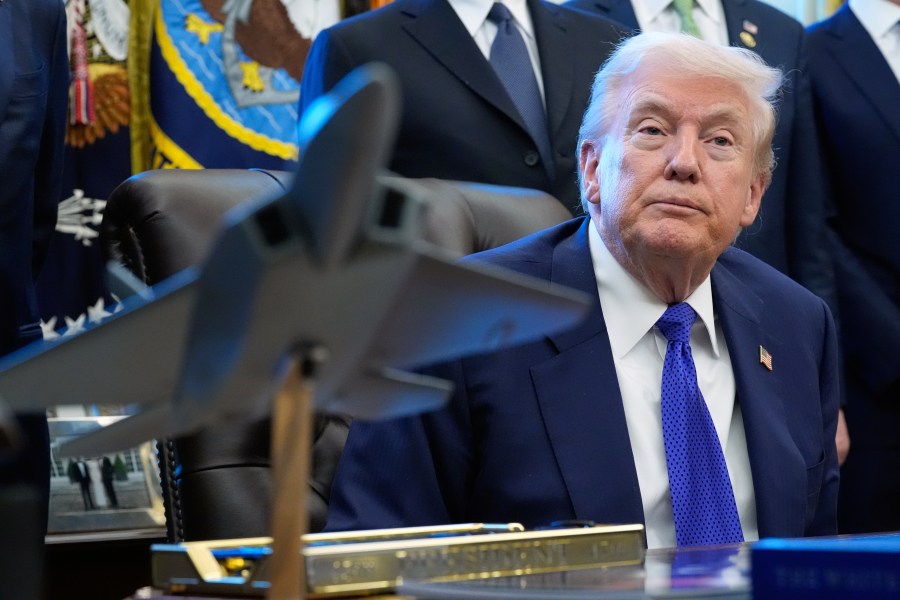
Carney’s journey comes in the wake of rising tensions between Canada and the U.S., particularly under the administration of President Donald Trump. Many Canadian officials view Trump’s policies as a threat to the nation’s sovereignty and economic stability. “Donald Trump’s rhetoric and policies are clearly pushing Canada to diversify its economic and trade relations,” explained Daniel Béland, a political science professor at McGill University in Montreal.
Restoring Diplomatic Relations
The relationship between Canada and India has been fraught with tension in recent years, particularly following allegations made by former Prime Minister Justin Trudeau regarding India’s involvement in the killing of Canadian Sikh separatist leader Hareep Singh Nijjar in 2023. After these allegations surfaced, both nations agreed to restore diplomatic services, which had been severely strained. New Delhi has consistently denied these allegations, accusing the Canadian government of harbouring extremists.
The situation escalated when Trudeau and police officials publicly claimed that Indian diplomats were targeting Sikh separatists in Canada. They alleged that this information was being passed to organized crime groups in India, leading to threats against Canadian citizens advocating for Sikh independence. This incident significantly deteriorated Canada-India relations, prompting Carney’s visit as part of efforts to mend ties.
A Shift in Strategy
Political analysts note a shift in Canada’s approach under Carney, emphasizing a more business-oriented strategy than that of his predecessor. Nelson Wiseman, a political scientist at the University of Toronto, remarked on the dramatic change in attitudes between the two nations. However, some representatives from the Sikh community express concern over what they perceive as a capitulation to India’s demands. “We are deeply disappointed by this government’s absolute capitulation and appeasement,” said Danish Singh, President of the World Sikh Organization of Canada. He highlighted ongoing harassment issues faced by Sikh activists in Canada.
On the economic front, both countries have taken steps to advance a trade deal after years of mistrust. In 2024, India ranked as Canada’s seventh-largest trading partner, and Carney has set an ambitious goal to double non-U.S. exports within the next decade. This goal is particularly pertinent given recent threats from Trump to impose tariffs on Canadian goods over trade agreements with China.
At the World Economic Forum in Davos last month, Carney condemned the economic coercion employed by major powers against smaller nations, a stance that resonated with many global leaders. His remarks garnered significant attention, overshadowing Trump’s presence at the event. Robert Bothwell, a professor of Canadian history and international relations, noted the importance of fostering cordial relations with nations like India for Canada’s broader economic strategy.
As Carney continues his diplomatic mission, the focus remains on establishing a more stable and mutually beneficial relationship with India, amidst the backdrop of evolving global trade dynamics.