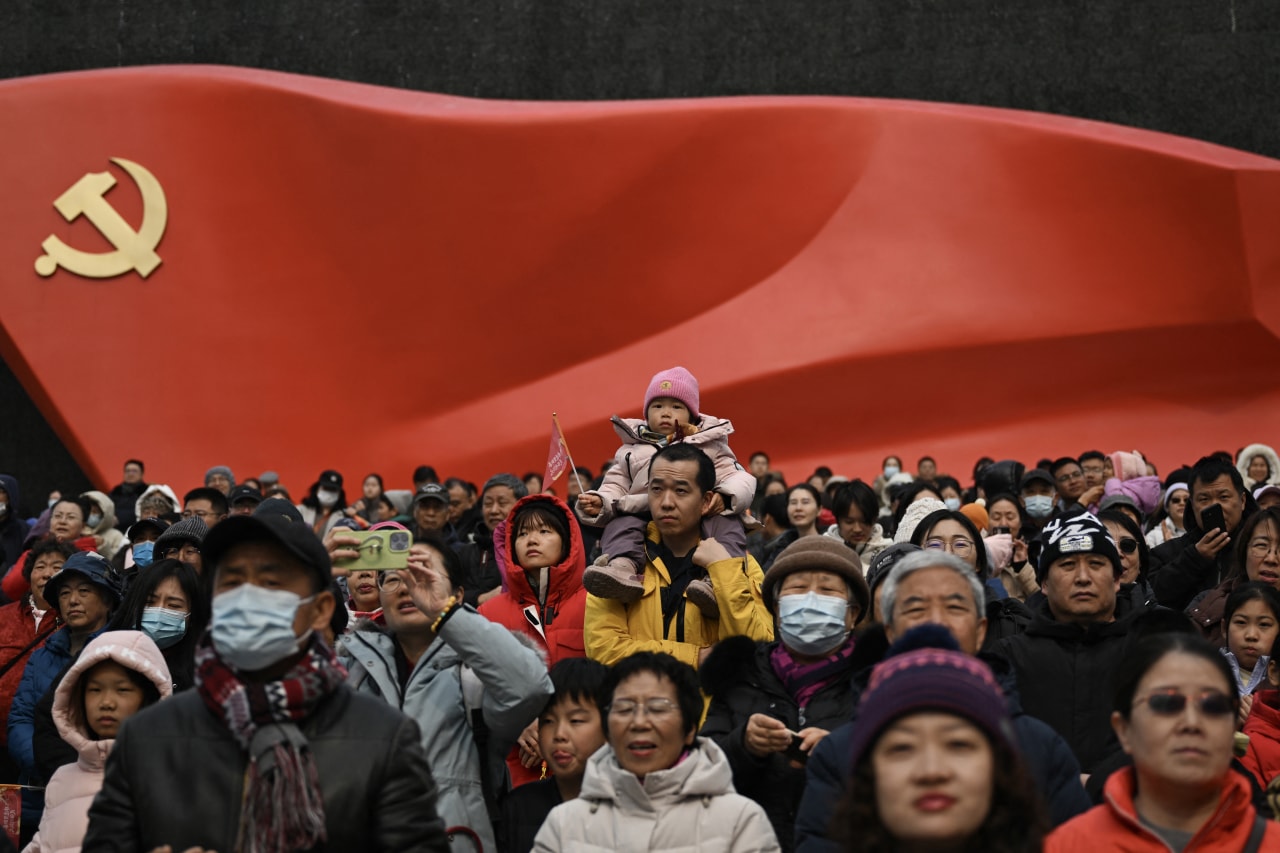
The upcoming session of the National People’s Congress in China, scheduled for March 5, 2024, is poised to unveil significant developments for the nation’s economy. Representatives are expected to endorse a comprehensive five-year economic blueprint aimed at elevating China’s status as a technological superpower.
This strategic plan underscores the government’s commitment to innovation and technological advancements. It is anticipated that the economic framework will allocate substantial resources toward research and development, fostering sectors such as artificial intelligence, renewable energy, and biotechnology. The focus on technology is aligned with China’s broader vision to enhance its global competitiveness and reduce dependency on foreign technologies.
Investment in Innovation and Infrastructure
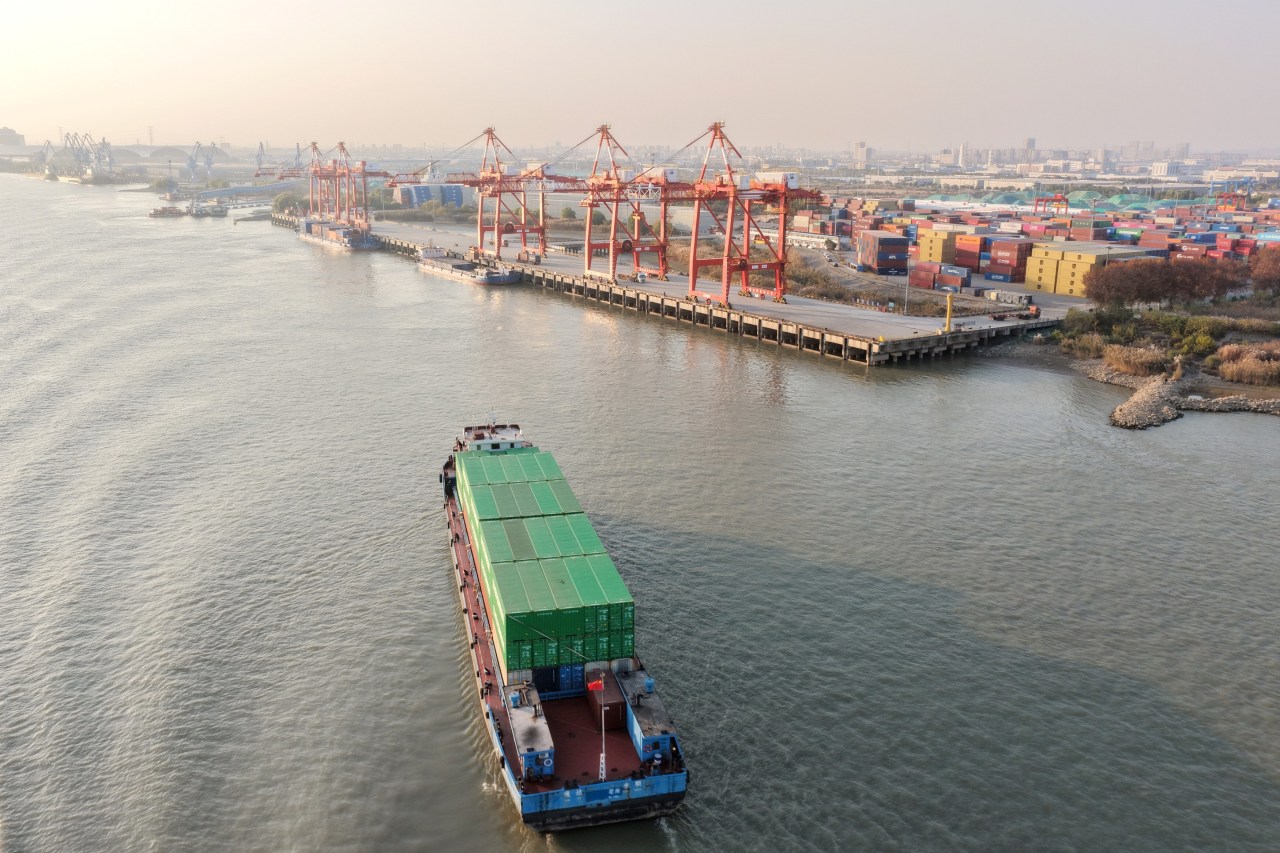
The proposed blueprint is not just about technological prowess but also encompasses plans for infrastructure investment. The government aims to bolster transportation and digital networks, which are vital for supporting economic growth. Analysts predict that these initiatives could lead to an increase in domestic consumption and create millions of jobs.
According to the Chinese Academy of Sciences, the emphasis on technological innovation could result in an economic growth target of approximately 5.5% annually over the next five years. This ambitious goal reflects the government’s intent to sustain momentum despite global economic challenges, including supply chain disruptions and inflationary pressures.
Furthermore, the blueprint is expected to address various social issues, such as income inequality and environmental sustainability. The government’s approach includes promoting green technologies and enhancing social welfare programs to ensure equitable growth across different regions.
Global Implications and Reactions
The approval of this economic plan has garnered attention from international markets and governments. Economists are closely monitoring how China’s new strategies will impact global trade dynamics. A successful execution of the blueprint could position China as a leader in emerging technologies, influencing global standards and practices.
In response to these developments, John Smith, an economist at the International Monetary Fund, stated, “China’s commitment to technology and infrastructure could reshape its economic landscape and have ripple effects on the global economy.” His comments reflect the broader consensus among experts that China’s economic trajectory will play a critical role in shaping international relations and trade agreements.
As the National People’s Congress convenes, the world will be watching closely to see how China’s plans unfold. The outcomes of this meeting could not only redefine the Chinese economy but also signal shifts in global economic power dynamics. The emphasis on technology and innovation is likely to resonate beyond China’s borders, influencing various sectors worldwide.
In conclusion, the upcoming five-year economic blueprint represents a pivotal moment for China as it strives to cement its status as a technological superpower. The decisions made during the National People’s Congress will set the course for China’s economic future and could have lasting implications for the global economy.