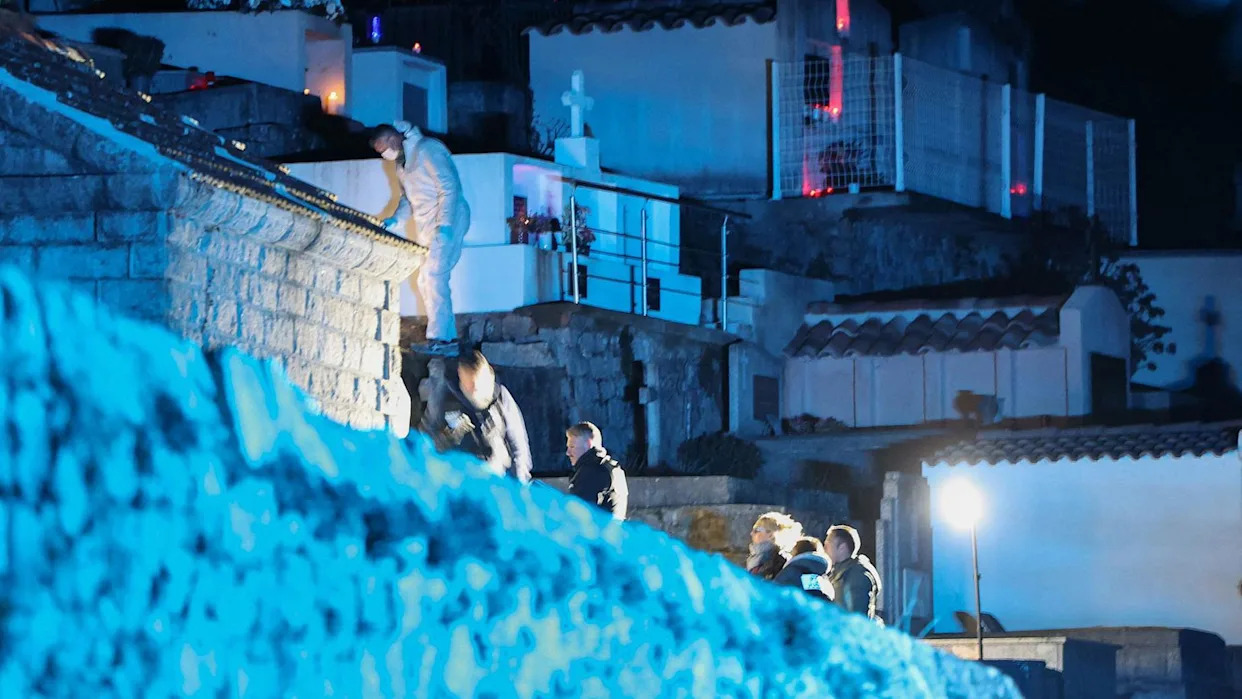
A shocking incident unfolded on March 13, 2024, when former nationalist leader Alain Orsoni was fatally shot during his mother’s funeral in the small village of Vero, located a half-hour drive from Ajaccio, the capital of Corsica. The 71-year-old Orsoni, who had returned from exile in Nicaragua to mourn his mother, was struck by a bullet fired from nearby scrubland as mourners gathered for the ceremony.
This tragic event marks a grim escalation in violence on the Mediterranean island, which has seen at least 35 murders in the past three years, making it one of the regions with the highest murder rates in France. The killing of Orsoni, a prominent figure in Corsican nationalism, has sent shockwaves through the community, accustomed to a history of vendettas and organized crime.
Funeral Service Turns Deadly
The atmosphere at the funeral turned somber when a single gunshot interrupted the proceedings. Close friend Jo Peraldi, who witnessed the event, expressed disbelief at the brutality of the act, stating, “A cemetery is sacred in Corsica, just like a church. Never have I witnessed seeing someone murdered while accompanying their mother to their final resting place.”
Orsoni’s cremation took place the following day in Ajaccio, accompanied by a significant police presence. The killing has been described by Orsoni’s cousin, Christian Leca, as “a tipping point in the horror,” highlighting the unthinkable nature of violence occurring in a cemetery.
The violence plaguing Corsica has evolved in recent years, according to Thierry Dominici, a scholar of Corsican nationalism at the University of Bordeaux. He noted that after armed groups shifted away from their campaigns for autonomy, many retained their weapons and turned to organized crime. “The French state was so focused on tackling the separatists that it turned a blind eye to their lucrative criminal activities,” Dominici said in a statement to the BBC.
Investigating Orsoni’s Murder
French authorities have launched an investigation into Orsoni’s murder, with judges specialized in organized crime from Paris working alongside the regional prosecutor’s office in Marseille. Gilles Simeoni, president of Corsica’s regional authority, remarked that this killing adds to the mafia pressure on Corsican society. He characterized Orsoni as both a significant contemporary figure in Corsican nationalism and a person involved in the island’s criminal undercurrents.
The Orsoni family has long been associated with Corsican nationalism and violence. In his youth, Alain Orsoni was imprisoned for bomb attacks aimed at pressuring the French government for greater autonomy for Corsica. His family has been embroiled in conflict; his brother, Guy Orsoni, was killed by a rival clan in 1983, and his son is currently serving time for drug trafficking and attempted murder.
Despite his challenging past, Orsoni reinvented himself in recent years as the president of local football club AC Ajaccio, overseeing the club’s promotion to Ligue 1. His life was characterized by a constant threat of violence, as he operated under heavy security measures, including wearing a bulletproof vest and traveling in an armored vehicle.
The ramifications of Orsoni’s death extend beyond Corsica, signaling potential further violence. Alain Bauer, a criminologist who has advised French governments on security issues, stated, “That Alain Orsoni was killed does not surprise me; it was just a question of when, not if.” He also warned that the shocking circumstances of the murder could lead to revenge killings, ultimately impacting the local populace.
In a call for peace, Cardinal François Bustillo, the bishop of Ajaccio, urged the community to reject the cycle of violence, stating that Corsica must not succumb to its demons. “We cannot allow Corsica to drift towards its demons; we have to change mentalities,” he said.
The tragic loss of Alain Orsoni has highlighted the persistent issues Corsica faces, as the island grapples with its complex legacy of nationalism and crime. The investigation into his murder continues, reflecting the urgent need for solutions to the escalating violence on the island.