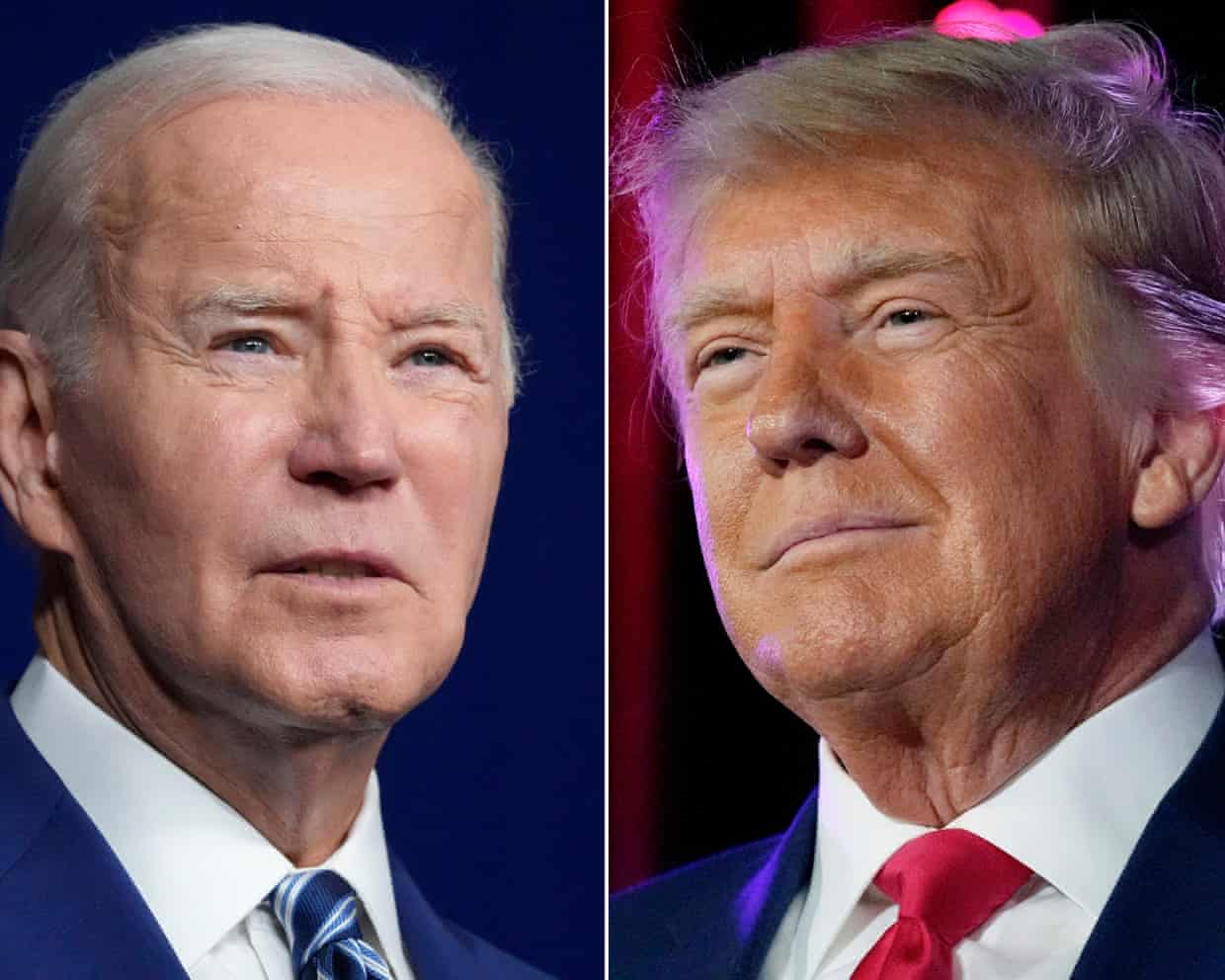
The security landscape in Europe is shifting, with pressing challenges arising from the tense relations between the United States and Russia. European nations are grappling with the implications of U.S. foreign policy under President Joe Biden while facing ongoing aggression from Russia. Key decisions regarding the future of Ukraine hang in the balance, as the continent seeks to navigate a complex geopolitical environment.
European leaders have expressed concerns about their security framework, particularly in light of the ongoing conflict in Ukraine. The Russian invasion, which began in February 2022, has not only resulted in significant loss of life but has also prompted a reevaluation of defense strategies across Europe. As President Vladimir Putin continues to assert military pressure, European countries are increasingly aware of their vulnerability in the face of hostile powers.
Impacts of U.S. Policy on European Security
The Biden administration’s approach to foreign policy marks a departure from previous strategies, raising questions among European allies. While the U.S. has reaffirmed its commitment to NATO and collective defense, the lack of consistent support for Europe’s security needs has left many nations feeling uncertain. As the U.S. focuses on domestic challenges, European leaders worry that their continent may not receive the attention it requires.
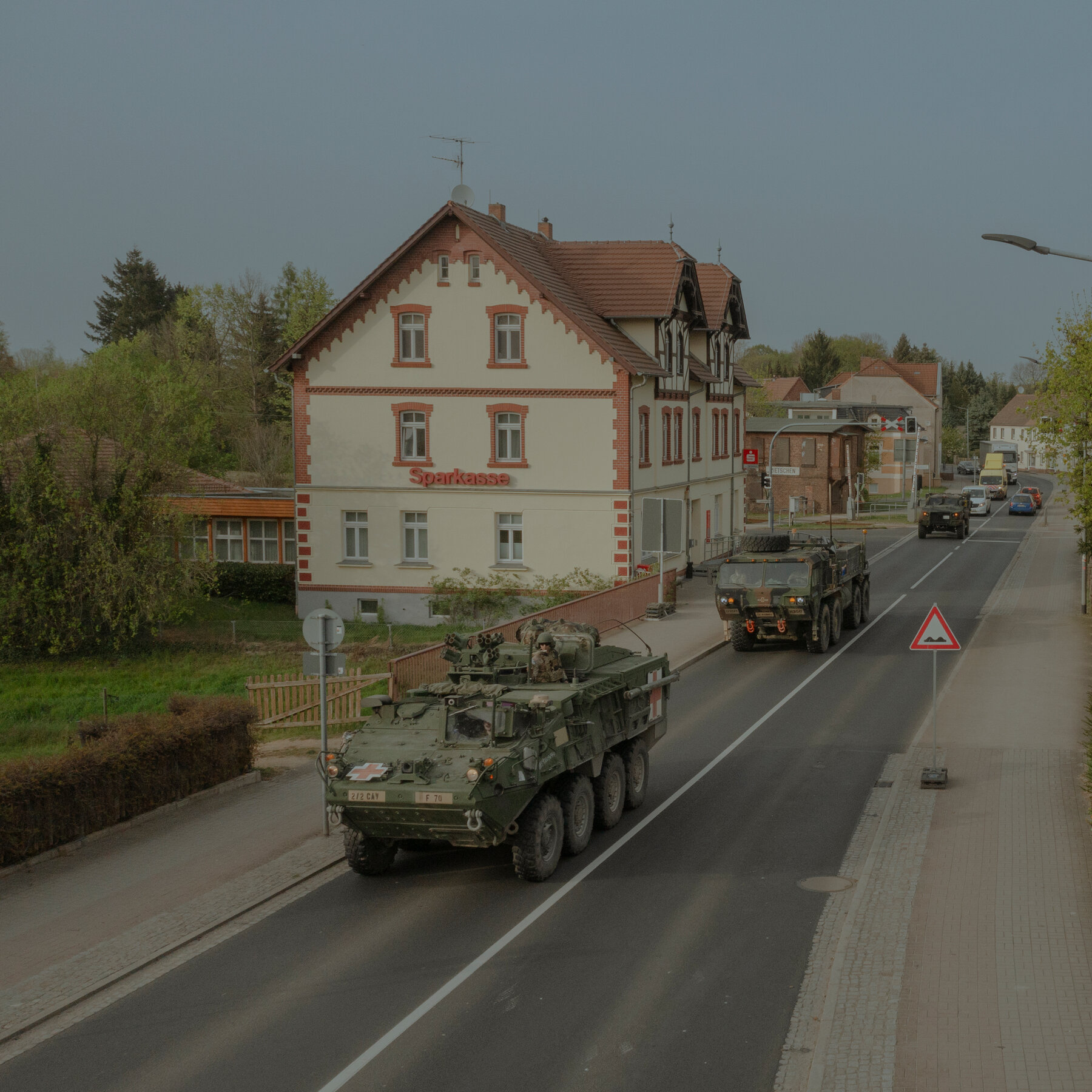
NATO’s recent summits have highlighted the need for a unified response to Russian aggression. Member states are discussing ways to bolster their defenses and enhance military readiness. In October 2023, NATO Secretary General Jens Stoltenberg emphasized the importance of solidarity among allies, stating that “the security of Europe cannot be taken for granted.” This sentiment reflects a growing recognition that Europe must prioritize its own security strategies.
Decisions Ahead for Ukraine
The future of Ukraine remains a critical issue. The country has been reliant on both military and financial support from Western nations to counter the Russian offensive. As the conflict drags on, questions arise about the sustainability of this support and its implications for European security.
European Union leaders are set to convene for a summit later this month, where they will discuss potential measures to assist Ukraine further. The pressure to act is mounting, as the humanitarian crisis deepens and military engagements escalate. European nations are contemplating increased military aid and strategic partnerships to ensure Ukraine can withstand ongoing assaults.
The challenges facing Europe extend beyond military considerations. Economic repercussions from the conflict, including energy shortages and supply chain disruptions, have also emerged as significant concerns. Rising energy prices and inflation threaten to destabilize economies across the continent, prompting calls for coordinated action among EU member states.
As European nations prepare for the winter months, discussions about energy independence and diversification of sources are taking center stage. Countries are exploring alternative energy partnerships to reduce reliance on Russian gas and oil, which has become a focal point of geopolitical tension.
In conclusion, Europe stands at a crossroads, facing a multifaceted security dilemma. With pressure from both Russia and the evolving U.S. foreign policy landscape, European leaders must navigate these challenges thoughtfully. The decisions made in the coming weeks will be crucial in shaping the continent’s security framework and its future relations with Ukraine and other neighboring states.