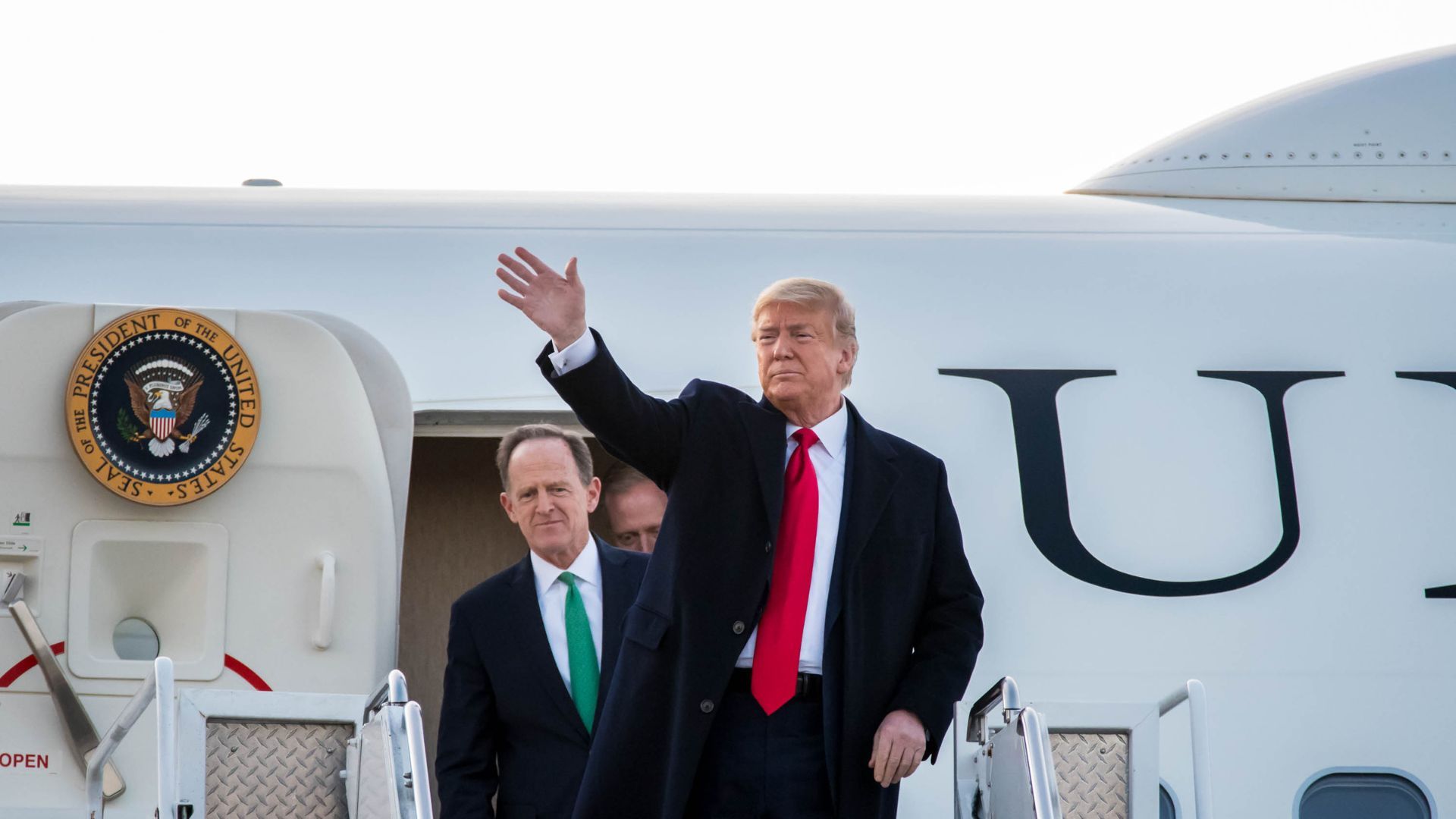
Florida lawmakers have approved legislation to rename Palm Beach International Airport in honor of former President Donald Trump. The bill, which now awaits the signature of Governor Ron DeSantis, proposes to designate the airport as “President Donald J. Trump International Airport.” This decision marks a significant and contentious moment in U.S. history regarding the naming of public infrastructure.
Supporters argue that the renaming acknowledges Trump’s deep ties to South Florida and his role as the first president from the state. In contrast, opponents view the move as an inappropriate connection between a public asset and a political figure. The implications of this decision extend beyond mere nomenclature, touching on legal, financial, and commercial aspects.
Political Dynamics of the Name Change
The Florida Legislature, controlled by Republicans, passed the bill with substantial support from both chambers. This legislation overrides local government authority over naming large commercial airports, shifting that power to the state level. Proponents of the bill emphasized Trump’s regular engagement with world leaders at his Mar-a-Lago estate near the airport, framing the renaming as a recognition of his legacy.
Critics, including Senate Democratic Leader Lori Berman, argued that public funds should not be used to elevate a divisive political figure. The initial budget projections indicate that the state could incur costs up to $5.5 million for signage, updates, and branding associated with the new name. Berman expressed concern, stating, “This bill exists for one reason: to satisfy one large ego. And satisfying that ego isn’t free.”
Trademark Filings Introduce New Controversy
As lawmakers debated the merits of the name change, a separate issue emerged with the filing of trademarks by DTTM Operations LLC, the Trump family’s trademark entity. The filings cover various names, including “DJT,” “Donald J. Trump International Airport,” and “President Donald J. Trump International Airport.” These trademark applications include a broad range of commercial categories, potentially affecting merchandise, apparel, and promotional goods linked to the airport.
This move raises critical questions about a private entity’s ability to control the commercial use of a publicly owned airport’s identity. Even if the Trump family decides to waive licensing fees for the airport authority, trademark law does not guarantee that similar concessions would apply to other businesses. Airlines and vendors selling airport-branded items may face legal challenges requiring clearance for using the airport’s new name.
The implications of these trademark filings could discourage smaller aviation businesses from pursuing airport-branded marketing due to the added complexity and potential legal hurdles. As it stands, aviation regulators like the Federal Aviation Administration (FAA) do not have jurisdiction over trademark disputes, which means that any conflicts would need resolution in civil courts.
The potential for legal complications emphasizes the growing tension between public ownership and private brand control, especially when a trademark exists over a public asset.
The ramifications of this name change could extend well beyond Palm Beach County. Historically, U.S. courts have been hesitant to uphold trademarks that seek to monopolize geographic names, particularly when they serve as generic identifiers. However, trademarks tied to specific commercial goods can survive legal scrutiny, making the current situation particularly noteworthy.
If the trademark applications are upheld, it could pave the way for similar initiatives concerning other public facilities, including airports and transit hubs. Governments may find themselves compelled to trademark names defensively to maintain public ownership, fundamentally altering how infrastructure identities are managed.
As the legislation awaits the final decision from the governor and potential approval from the FAA, the debate surrounding this airport renaming underscores a significant shift in the relationship between public infrastructure and private branding. Regardless of the outcome, the episode illustrates the complexities involved in balancing civic assets with commercial interests, which could have lasting effects on the aviation industry.