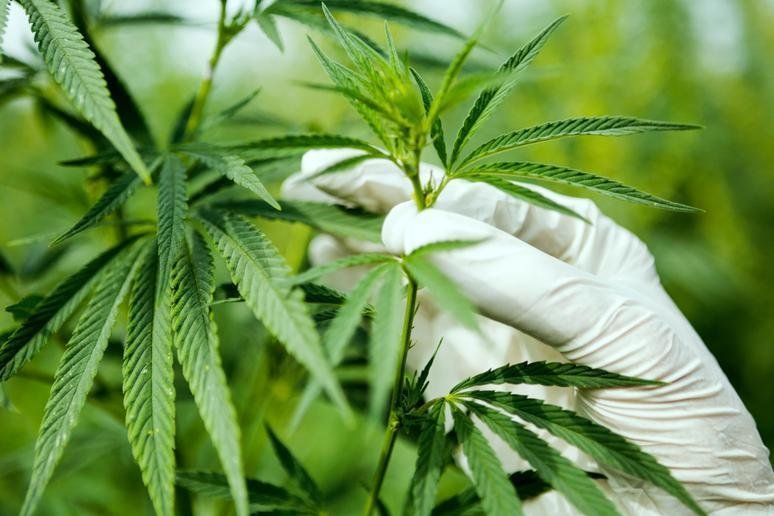
TALLAHASSEE — Efforts to place a recreational marijuana amendment on Florida’s November ballot are falling short, following an update from the state Division of Elections. As of Thursday, the agency reported that the political committee, Smart & Safe Florida, has submitted 714,888 valid signatures. This figure is an increase of approximately 40,000 since the last report two months ago, but still 165,174 signatures shy of the 880,062 signatures required to qualify for the ballot. Additionally, the committee must meet specific signature thresholds in various congressional districts.
The update follows a lawsuit filed by Smart & Safe Florida, which claims the state’s elections office has not accurately reflected valid signature counts on its website. According to a statement from the Division of Elections, the reported totals do not yet account for the Secretary of State’s final determination on verified signatures.
County supervisors of elections are currently revising records based on recent court rulings and other requirements that necessitate the invalidation of some signatures. These include issues such as voter eligibility and allegations of fraud.
Facing a deadline of February 1, 2024, to finalize signature submissions, Smart & Safe Florida’s legal action seeks to compel the state elections office to update the signature counts. The lawsuit asserts that Secretary of State Cord Byrd violated state law by failing to provide weekly updates on the status of petition signatures, a requirement from December 1 to the February deadline.
The Division of Elections had previously reported a static figure of 675,307 valid signatures since November 23, despite county supervisors indicating that additional signatures had been verified during that time. Judge Jonathan Sjostrom has expedited the legal proceedings, prompting the DeSantis administration to respond with updated figures.
In her declaration, Director of the Division of Elections Maria Matthews explained that her office halted updates following a November 25 court ruling. This ruling upheld a directive requiring the invalidation of signatures that did not include the full text of the proposed amendment. The state argued that approximately 200,000 signatures collected under these conditions were invalid.
The complexities surrounding the amendment are further compounded by a ruling from Judge Sjostrom, which indicated that the state improperly directed the invalidation of around 42,000 petitions signed by inactive voters. However, nearly 29,000 petitions collected by out-of-state signature gatherers were upheld as invalid.
Both parties in the dispute have appealed aspects of the ruling to the 1st District Court of Appeal. The court has temporarily suspended the part of the ruling concerning inactive voters, while Smart & Safe Florida continues to challenge the decision regarding non-resident gatherers.
In addition to the legal battles, Attorney General James Uthmeier has intensified efforts to block the marijuana proposal, citing concerns over election integrity. Recently, Uthmeier announced the arrest of a Titusville woman accused of submitting fraudulent voter registrations related to marijuana petitions. In his statement, Uthmeier linked this alleged misconduct to the activities of Smart & Safe Florida, which is significantly backed by Trulieve, a major player in Florida’s medical marijuana market.
Uthmeier’s office is currently conducting 46 criminal investigations into potential election fraud connected to the signature collection process. He has also urged the Florida Supreme Court to prevent the marijuana proposal from reaching voters, labeling it as misleading and “fatally flawed.”
As the legal proceedings unfold, the Florida Supreme Court is expected to determine whether the amendment meets the necessary legal standards to proceed to a ballot vote. Smart & Safe Florida has submitted a brief asserting that its initiative adheres to legal requirements and deserves a place on the ballot. The outcome of this contentious situation remains uncertain as stakeholders navigate a complex landscape of legal challenges and public opinion.