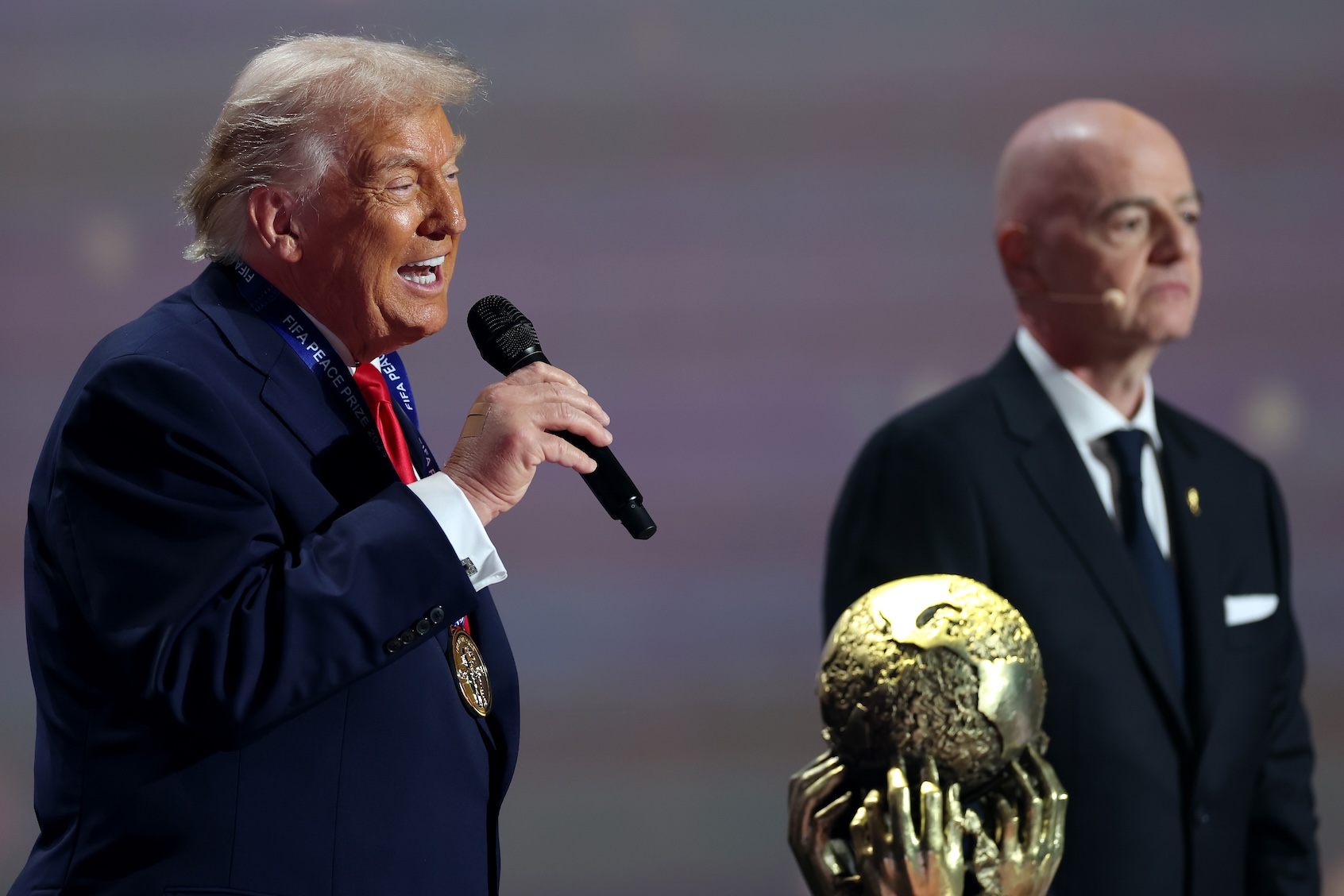
A rising discourse surrounding a potential boycott of the upcoming World Cup 2026 in North America seeks to challenge the authoritarian policies of Donald Trump. This conversation has gained traction in recent days, especially following the tragic death of Alex Pretti in Minneapolis. A Google News search reveals numerous articles from major publications, including the New York Times, Washington Post, CNN, The Guardian, and Los Angeles Times, discussing the idea of using the world’s largest sporting event as a platform for protest.
Despite the surge in articles and public sentiment, there is little indication that a widespread boycott will materialize. Reports suggest that national teams, individual players, or significant numbers of traveling fans are unlikely to withdraw from the tournament. On March 10, 2024, the German Football Association clarified that their national team, known as Die Mannschaft, plans to participate as scheduled.
The underlying reasons for this interest in a boycott are complex. Under Trump’s administration, global perceptions of the United States have shifted, with many nations expressing opposition to U.S. policies and actions. This trend has been evident for decades, yet Trump’s presidency has intensified these sentiments. Additionally, the political crises in the U.S. echo similar global issues, with institutions like the European Union and the United Nations facing their own challenges of credibility.
While some advocate for a boycott, suggesting that it could serve as a significant stand against perceived threats to democracy and human rights, the practicality of such actions is questionable. The notion of the U.S. being removed as host of the tournament, particularly in the absence of a major international crisis, has not been substantiated with a viable plan. The logistical complications alone of relocating matches to Canada and Mexico—the co-hosts—pose significant hurdles.
Realities of a Boycott
Many proposed boycott scenarios appear to lack grounding in reality. The notion that FIFA, the governing body of world soccer, would prioritize political principles over the financial success of the tournament is highly unlikely. FIFA President Gianni Infantino has previously demonstrated a close relationship with Trump, undermining the credibility of any potential boycott initiated by the organization.
While some voices, such as Elie Mystal from The Nation, suggest that Latin American teams might consider partial boycotts, the practicality of such actions remains in doubt. The sacrifices required for a significant team like Brazil, a five-time World Cup champion, to forgo participating are immense. The cultural importance of soccer in Brazil is unparalleled, making the idea of missing out on the World Cup inconceivable under normal circumstances.
Historical precedents, such as the U.S.-led boycott of the 1980 Moscow Olympics, offer cautionary tales. That action, intended to protest the Soviet invasion of Afghanistan, ultimately harmed athletes and did not achieve its political objectives. In contrast, recent actions against Russian teams following the Ukraine invasion show that FIFA can react to geopolitical events, but such responses remain rare and context-dependent.
Future Implications
As the World Cup approaches, discussions surrounding boycotts may shift into a broader examination of the event’s implications amid political tensions. Americans, alongside their Canadian and Mexican neighbors, must navigate feelings of ambivalence about hosting a global sporting event under the current political climate.
While the narrative of a boycott may not come to fruition, it has spurred conversations about human rights and global solidarity. Even if no formal boycott occurs, the energy surrounding these discussions can prompt important reflections on the future of democracy and human rights on a global scale.
As the tournament draws near, spectators will undoubtedly grapple with the complexities of enjoying a world-class sporting event while remaining mindful of the political realities that shape it. The hope for peaceful expressions of protest and meaningful dialogue continues to resonate, challenging fans to envision a more just and equitable world.