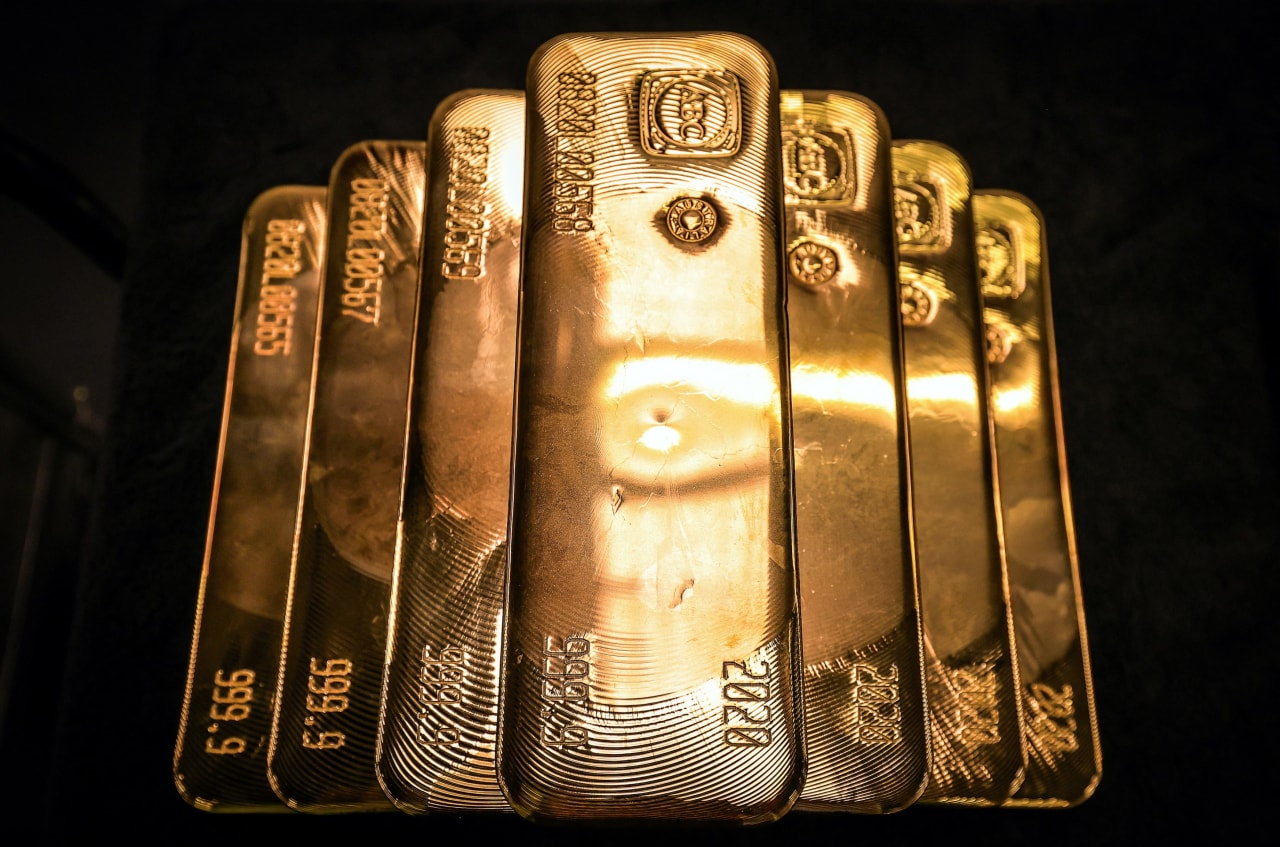
Gold has reached a significant milestone, soaring to a record price of $5,000 per ounce, reflecting a stark shift in market sentiment. This surge is largely attributed to growing concerns about the stability of the global economy, prompting investors to seek refuge in precious metals.
As of October 2023, the rising value of gold serves as a signal of diminishing confidence in traditional financial systems. Market analysts have noted that this increase is not merely a reaction to inflation or geopolitical tensions but a broader indication of investor uncertainty. Many are gravitating towards gold as a safe haven, leading to heightened demand that has pushed prices to historic heights.
Investor Behavior Shifts Dramatically
The behavior of investors has markedly changed in recent months. Central banks around the world have begun increasing their gold reserves, with purchases reported to be the highest in over three decades. This shift underscores a strategic pivot, as institutions react to fluctuating economic forecasts and geopolitical instability.
October 5, 2023, saw a notable uptick in gold buying, with many investors diversifying their portfolios to include more precious metals. Analysts from various financial institutions have pointed out that the fear of recession, coupled with rising interest rates, has catalyzed this movement. Essentially, the more uncertain the economic landscape becomes, the more valuable gold appears to investors.
The International Monetary Fund (IMF) recently highlighted the implications of this trend, stating that “the growing demand for gold reflects a lack of confidence in the current economic policies being implemented globally.” This sentiment resonates with many market participants who are increasingly wary of traditional investments amidst fluctuating stock markets.
Global Economic Implications
The implications of gold’s rise extend beyond individual investors. Economists warn that this trend could influence monetary policies worldwide. As central banks accumulate gold reserves, the value of the metal may further escalate, potentially affecting global currencies and economic stability.
In addition, the surge in gold prices could drive inflationary pressures, making it more expensive for industries reliant on precious metals. With the cost of production rising, consumers may ultimately face higher prices for goods that incorporate these materials.
Market analysts emphasize that although gold has long been viewed as a hedge against inflation, its current trajectory could lead to unforeseen consequences in both the short and long term. As investors flock to this safe asset, the resulting price changes could create volatility in other sectors of the economy.
The climb to $5,000 per ounce is not just a number; it represents a shift in the mindset of investors and central banks alike. As confidence wanes, the allure of gold grows stronger, reflecting a broader narrative of caution and strategy in an unpredictable economic landscape.
In summary, while the rise of gold to such unprecedented levels may signal a protective measure in times of uncertainty, it also raises critical questions about the future direction of global financial markets. Investors and policymakers alike will need to navigate this evolving environment with an eye toward potential risks and opportunities.