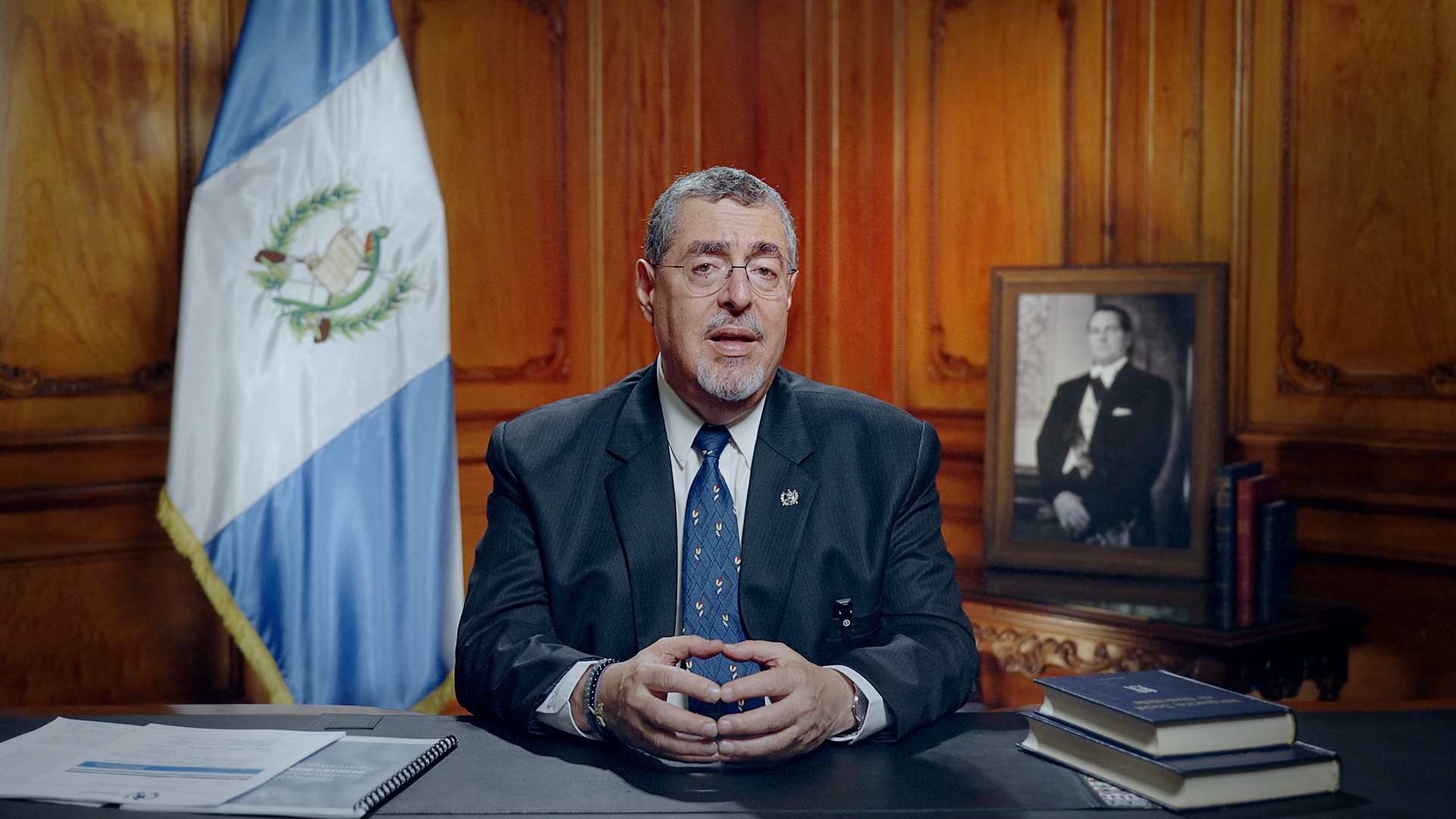
Guatemalan President Bernardo Arevalo declared a nationwide “state of siege” for 30 days on January 15, 2024, in response to escalating gang violence that resulted in the deaths of nine police officers in Guatemala City. This declaration, made unilaterally, is pending congressional approval but will remain in effect until further notice. The current wave of violence is believed to be linked to retaliation from gangs following the state’s recent efforts to regain control over three maximum-security prisons.
The prisons had been overtaken during a series of riots that saw over 40 guards taken hostage. These riots were reportedly sparked by incarcerated gang members reacting to the loss of certain privileges. Fortunately, no casualties have been reported from the operations to retake the facilities. According to Guatemalan law, a state of siege can be imposed when civilian authorities are unable to address significant internal disorder, allowing for the temporary suspension of certain constitutional rights.
Since his inauguration, the Arevalo administration has intensified its crackdown on gangs operating within the country. Among the most notorious of these are MS-13 and Barrio 18, both designated as terrorist organizations by the governments of Guatemala and the United States. The Guatemalan government has made it clear that it will not engage in negotiations with these groups, which have long been linked to organized crime and violence across the region.
The declaration follows a similar move by Nayib Bukele, the President of El Salvador, who enacted a state of emergency in 2022 to combat gang-related violence. Bukele’s policies have drawn significant attention for their aggressive stance on crime, which some critics argue have led to human rights violations.
In light of the current situation, the Director of the National Civil Police, David Boteo, has advised citizens to remain indoors whenever possible. Additionally, the Ministry of Education has suspended classes nationwide to ensure the safety of students and staff.
As the Guatemalan government navigates this crisis, the international community will likely be watching closely. The implications of these actions not only affect national security but also raise questions regarding human rights practices and the effectiveness of law enforcement measures in addressing gang violence.