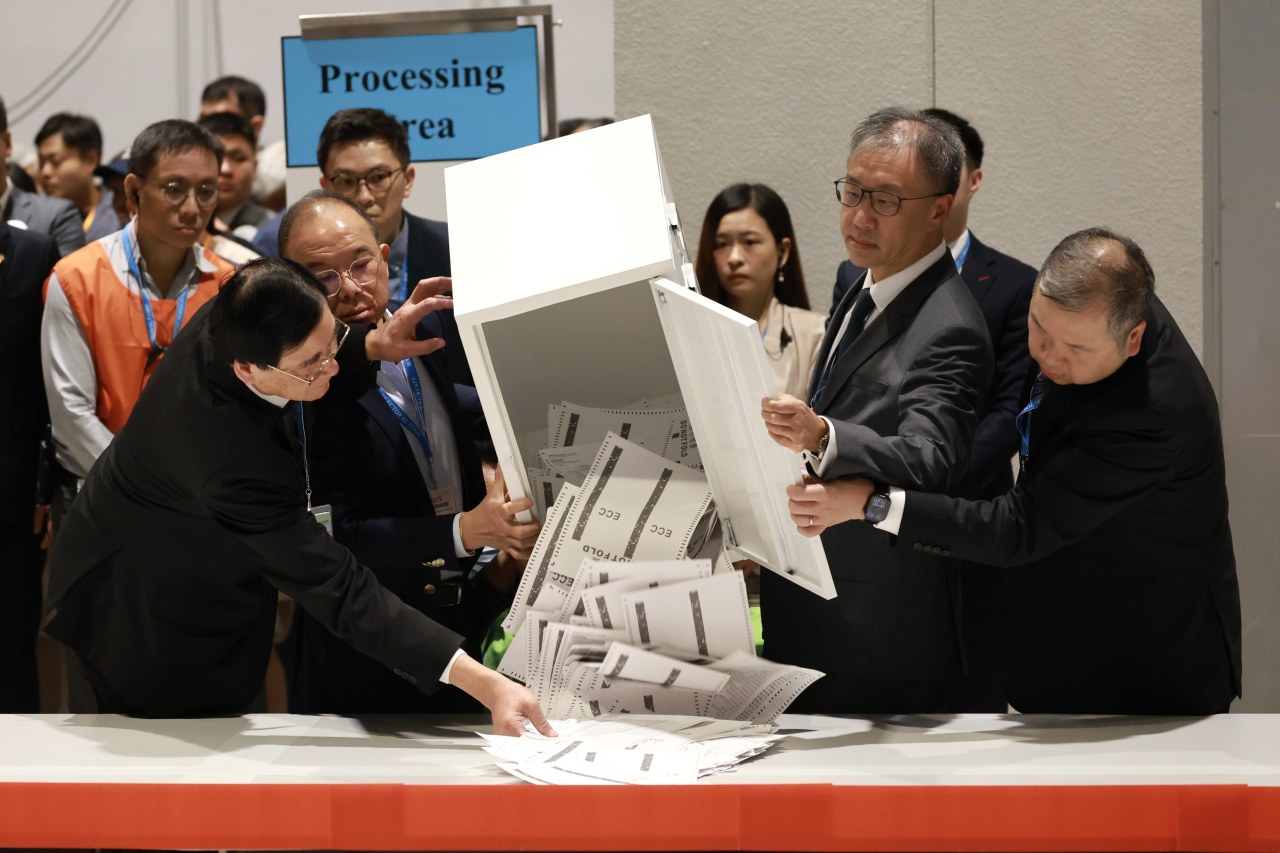
Voter turnout for the recent election in Hong Kong reached a historic low, with only approximately 30% of eligible voters participating. The election, held on July 2023, was marked by a controversial vetting process that restricted candidates to those deemed “patriots” by the authorities in Beijing.
The Election Committee, which oversees the electoral process, faced criticism for limiting the ballot to candidates who aligned with the government’s stringent requirements. This approach has raised concerns about the diminishing democratic space in the region, particularly following a series of political reforms aimed at consolidating power.
Efforts to boost voter engagement included a get-out-the-vote campaign spearheaded by various civic groups. Despite these initiatives, the turnout figures indicated a lack of enthusiasm among the electorate. Many residents expressed disillusionment with the political process, feeling that their votes held little significance when choices were restricted.
Impact of Candidate Vetting on Voter Sentiment
The vetting process has become a focal point of discontent. Candidates were required to undergo a background check that assessed their loyalty to the state, effectively sidelining many potential candidates who could have represented a broader spectrum of political views. This has been perceived as a move to stifle dissent and limit public discourse, leading to widespread apathy among potential voters.
Critics argue that such measures diminish the integrity of the electoral process, as the absence of alternative candidates narrows the options available to voters. According to the Electoral Affairs Commission, this election was a test of public sentiment and political alignment in a city that has seen significant upheaval in recent years.
Many observers noted that the lack of competitive candidates contributed to the low turnout. The absence of meaningful choices often leads to voter disengagement. A resident of Hong Kong remarked, “When you know the outcome is predetermined, why bother voting?”
Future Implications for Hong Kong’s Political Landscape
The implications of this election extend beyond mere participation rates. The Hong Kong government’s approach to the electoral process reflects a broader strategy to reinforce its control over political life in the city. As the government continues to prioritize loyalty over representation, the potential for future elections to engage the public becomes increasingly uncertain.
Analysts suggest that the pattern of low turnout could persist if the current trajectory continues. With the ongoing scrutiny from international observers regarding Hong Kong’s political freedoms, the government faces mounting pressure to address voter concerns and foster a more inclusive political environment.
In summary, the recent election in Hong Kong has highlighted significant challenges within the electoral framework, raising questions about the future of democratic engagement in the region. The combination of strict candidate vetting and public disillusionment has resulted in a turnout that underscores the growing disconnect between the government and the electorate.