Human Rights Watch (HRW) has condemned armed groups in Colombia’s southern state of Putumayo for committing severe human rights abuses against innocent civilians, particularly targeting Indigenous communities. The organization issued its statement on September 15, 2023, highlighting how these groups are exploiting ongoing peace negotiations to consolidate their power over local populations.
During her remarks, HRW Americas Director Juanita Goebertus emphasized the alarming situation: “Armed groups in Putumayo are using the peace talks as an opportunity to tighten their control over the population. While the peace talks focus on decreasing coca crops, armed groups are imposing their own rules in Putumayo and severely punishing those who disobey.” This assertion reflects growing concerns about the impact of violence on civilians amid a backdrop of peace discussions.
In September, HRW visited several regions, including Puerto Asís, Mocoa, Orito, and La Hormiga, which have been heavily affected by armed group activities. Victims reported intense fear of reprisals, with some residents forced to conceal the scale of crimes by burying the bodies of homicide victims. This pervasive atmosphere of fear has reportedly coerced villagers into participating in protests, such as the “Araña,” which called for the release of armed group leaders like Geovany Anés Rojas.
Reports further allege that armed groups are compelling individuals to cultivate coca plants and deliver them to these organizations. Disturbingly, there are accusations of child recruitment from rural boarding schools and social media platforms. Additionally, armed groups have enforced curfews and restricted Indigenous cultural practices, exacerbating their control over the community.
The situation in Putumayo, which borders Ecuador and Peru, represents a long-standing challenge for the Colombian government, led by President Gustavo Francisco Petro Urrego. In 2023, the government initiated peace talks aimed at fostering transparent dialogues with groups considered to have both political and criminal motivations. These discussions primarily focused on violence reduction in exchange for judicial benefits.
Progress has been noted in recent dialogues between the Colombian government and the armed group known as the Estado Mayor of Blocs and Fronts (EMBF). These negotiations led to an agreement on six critical points, including conflict de-escalation, prioritization of land and environmental access, and measures to halt the recruitment of child soldiers. Despite these advances, HRW insists that much work remains to be done to protect vulnerable populations.
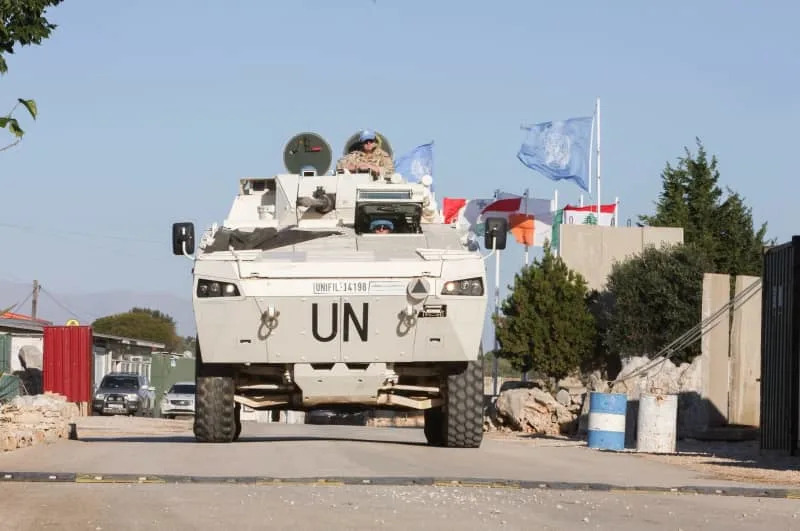
A report from the UN Security Council, released in early 2024, corroborated HRW’s findings, detailing horrific abuses against children, including attacks on schools and kidnappings. The report highlighted that Indigenous children and those of African descent in rural areas are often targets of sexual harassment and physical violence. The findings also indicated a staggering increase of over 1,000 percent in mass displacement in Putumayo from 2022 to 2023, severely affecting the livelihoods of local civilians.
The ongoing conflict in Putumayo continues to present a complex challenge for both local communities and the Colombian government. The situation underscores the urgent need for effective measures to ensure the protection of Indigenous rights and the restoration of peace in the region.