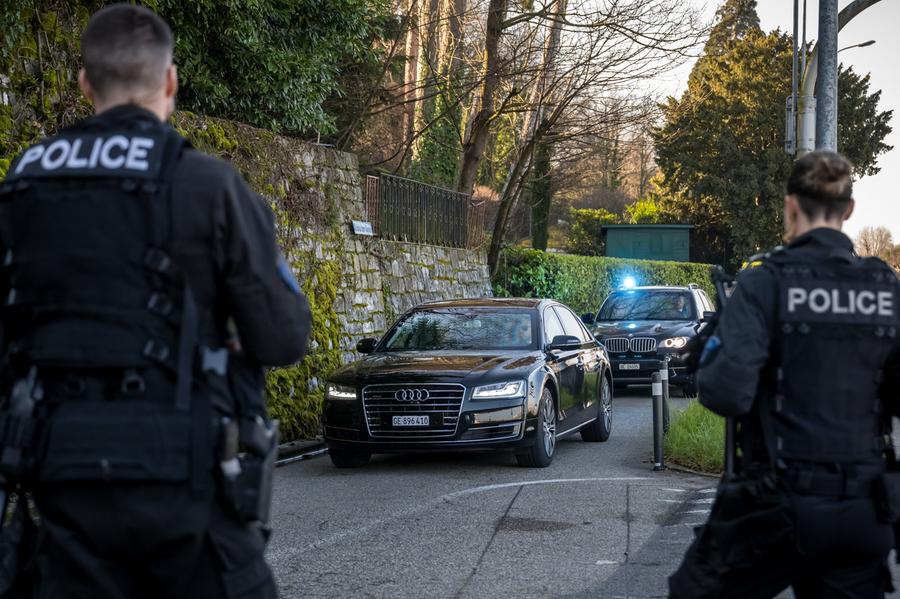
Delegations representing Iran and the United States commenced a third round of diplomatic talks in Geneva on March 15, 2024. The discussions, which are being mediated by representatives from Switzerland and Oman, aim to address the rising tensions between the two nations and seek a peaceful resolution to ongoing disputes. Both parties have expressed a desire for diplomatic engagement, although significant challenges remain.
Initially, negotiations focused primarily on Iran’s uranium enrichment activities and the potential development of nuclear weapons. However, recent reports indicate that the focus has shifted to Iran’s ballistic missile program. In his State of the Union address, President Donald Trump alleged that Iran is advancing its capabilities to construct conventional missiles capable of reaching American territory. Iran has categorically rejected these claims as “misinformation” and has shown reluctance to negotiate limits on its missile development.
This deadlock presents a significant obstacle to the ongoing talks. Iran has also firmly dismissed any proposals to dismantle its nuclear enrichment program, which it argues is essential for civilian energy projects. Nonetheless, Tehran has signaled a willingness to consider options for diluting or relocating its stockpile of enriched uranium. According to the International Atomic Energy Agency (IAEA), Iran currently possesses approximately 400 kilograms of uranium enriched to 60 percent, a level that can be relatively easily converted to weapons-grade material at the 90 percent threshold.
Tehran has reportedly proposed the possibility of relocating some of its enriched uranium abroad or applying dilution techniques to mitigate the risk of military applications. The dilution process involves mixing enriched uranium with other materials to lower its enrichment percentage, thereby extending the timeline required to re-enrich it for potential weapons use.
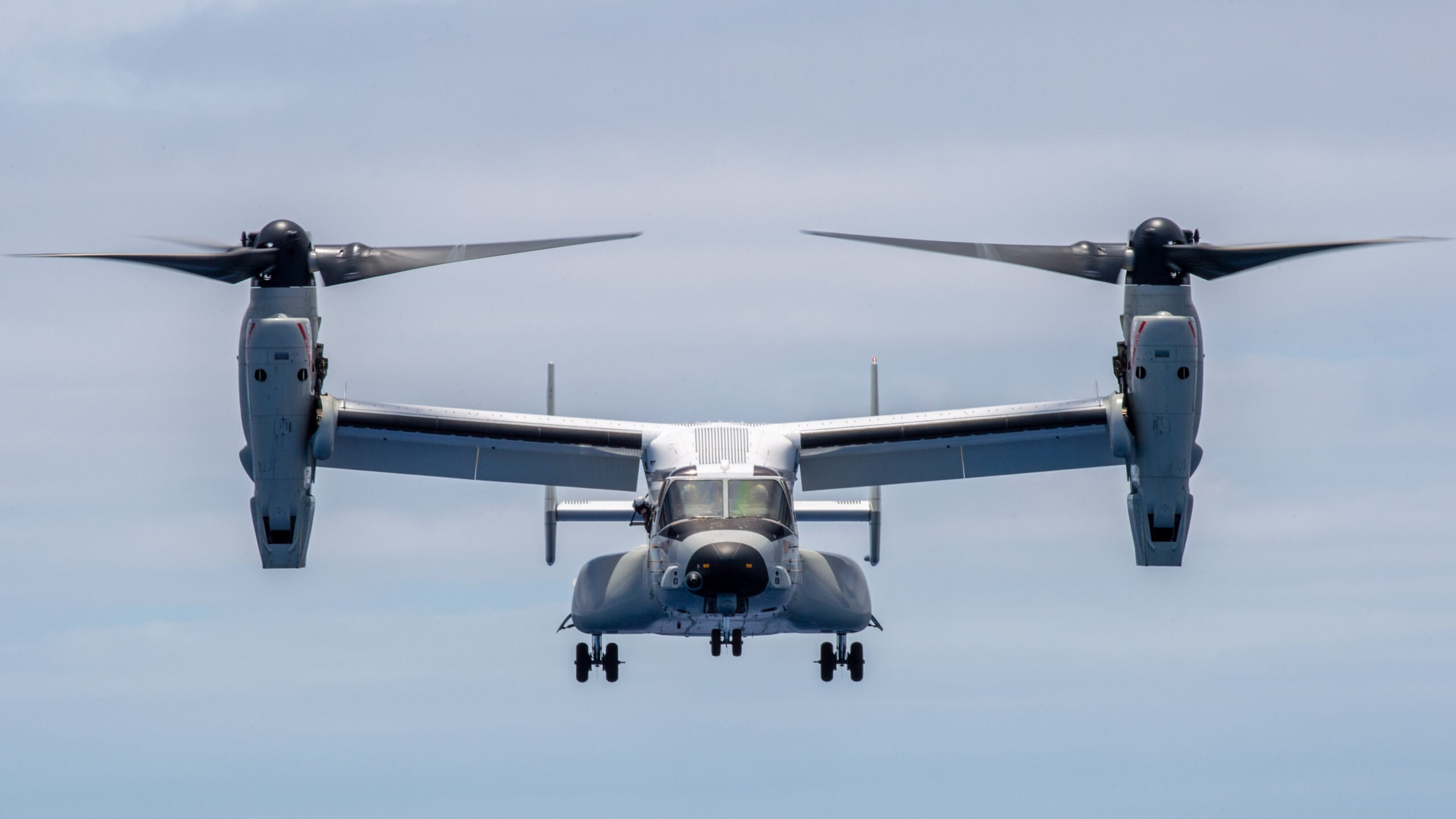
As these critical discussions progress, military tensions remain palpable. The USS Gerald R. Ford, the largest aircraft carrier in the world, is currently stationed in the Arabian Sea, positioned within striking distance of Iranian territory. A recent report from the Wall Street Journal highlighted the challenging conditions faced by the ship’s crew due to prolonged deployment, which initially took them to the Caribbean during the political crisis in Venezuela. The carrier is expected to remain in the region until a diplomatic resolution is achieved or military action is authorized by Trump.
With both sides facing significant pressures, the outcome of these talks could have profound implications for regional stability and international relations. As the world watches closely, the path forward remains uncertain, but the stakes have never been higher.