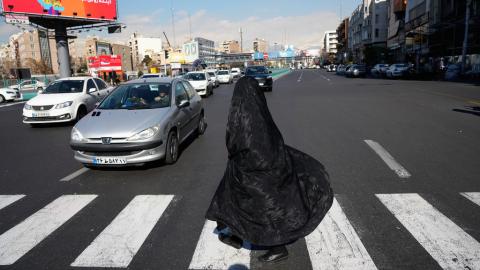
As protests in Iran enter their third week, the government has ramped up efforts to quell dissent through mass arrests and intimidation tactics. The Islamic Republic is currently engaged in a nationwide crackdown, with reports indicating that tens of thousands of protesters have been detained. This aggressive approach comes alongside escalating tensions between Iran and other nations, particularly the United States and Israel.
On March 4, 2024, Iran’s top police official issued an ultimatum to demonstrators, demanding they surrender or face severe consequences. Despite the government’s tactics, including an Internet shutdown, voices of defiance continue to emerge. One Iranian woman, speaking on a radio talk show, urged her fellow citizens not to lose hope. “Don’t think everything is over here,” she stated. “We are not finished. Don’t leave us here alone at all. Don’t be silent at all.”
Reports of violence during the protests paint a grim picture. One doctor described the government’s actions as “genocide under digital darkness.” The Iranian regime has faced accusations of killing over 20,000 people in the recent unrest, prompting many to take to the streets in a show of solidarity and resistance.
Iran’s President Masoud Pezeshkian issued a stark warning on March 3, asserting that any military strike from the United States would result in a “harsh response.” He emphasized that an attack on Supreme Leader Ali Khamenei would be seen as an act of war against the Iranian nation.
In a related development, Israeli Prime Minister Benjamin Netanyahu delivered a speech in the Knesset on March 5, cautioning Iran against any aggression towards Israel. He stated, “If Iran makes a mistake and attacks us, we will act with a force that Iran has not yet experienced.” Netanyahu highlighted the uncertainty of Iran’s future but affirmed that the nation would not revert to its previous state.
Exiled Crown Prince Reza Pahlavi has also weighed in, directly addressing Ayatollah Khamenei. He accused the leader of being “an anti-Iranian criminal” responsible for the deaths of countless Iranians. “You have neither honor nor humanity,” Pahlavi declared. “Your hands are stained with the blood of tens of thousands of Iranians; the blood of children and the innocent.” He asserted that Khamenei and his regime would be held accountable for their actions.
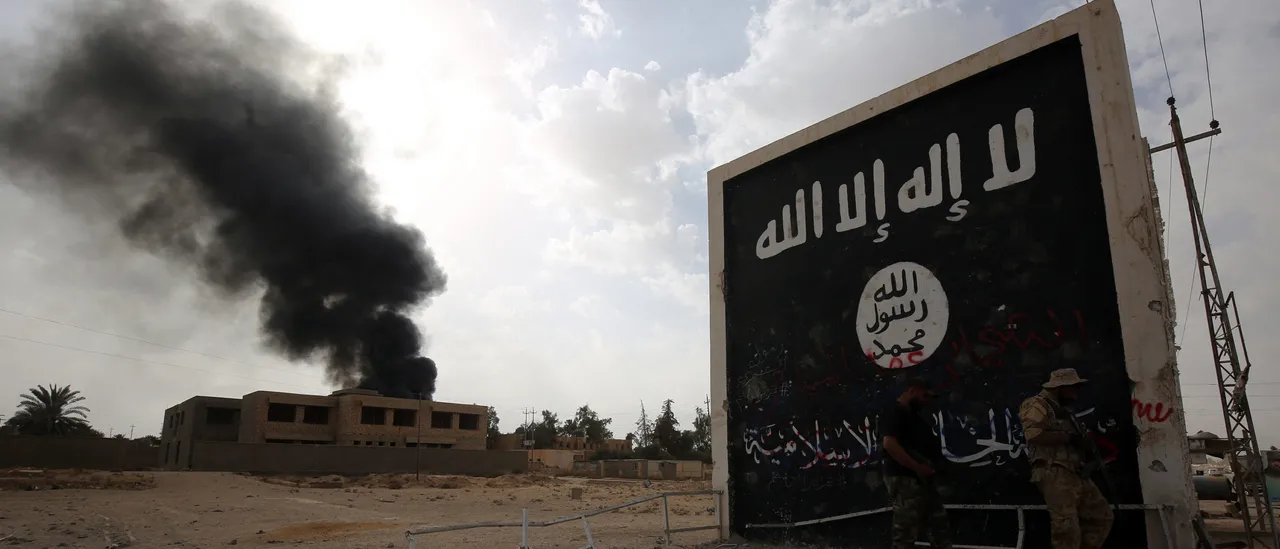
Meanwhile, the situation in Syria remains precarious as the Syrian Army continues its advance against Kurdish forces in the northeast. Reports indicate that jihadist groups have been committing acts of violence, including murder and torture. Analysts suggest that the integration of these groups into the Syrian military could pose a significant threat to stability in the region.
As tensions escalate in Iran and Syria, the international community watches closely, aware of the potential ramifications of these developments. The ongoing protests in Iran highlight the deep-seated frustrations among the populace and the lengths to which the regime is willing to go to maintain control. The unfolding events may have lasting implications for the region as a whole.