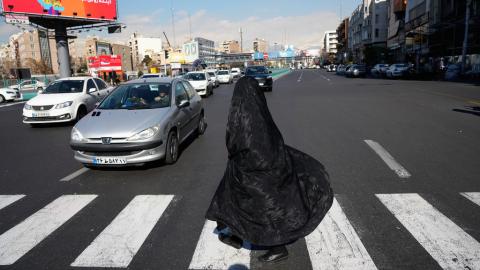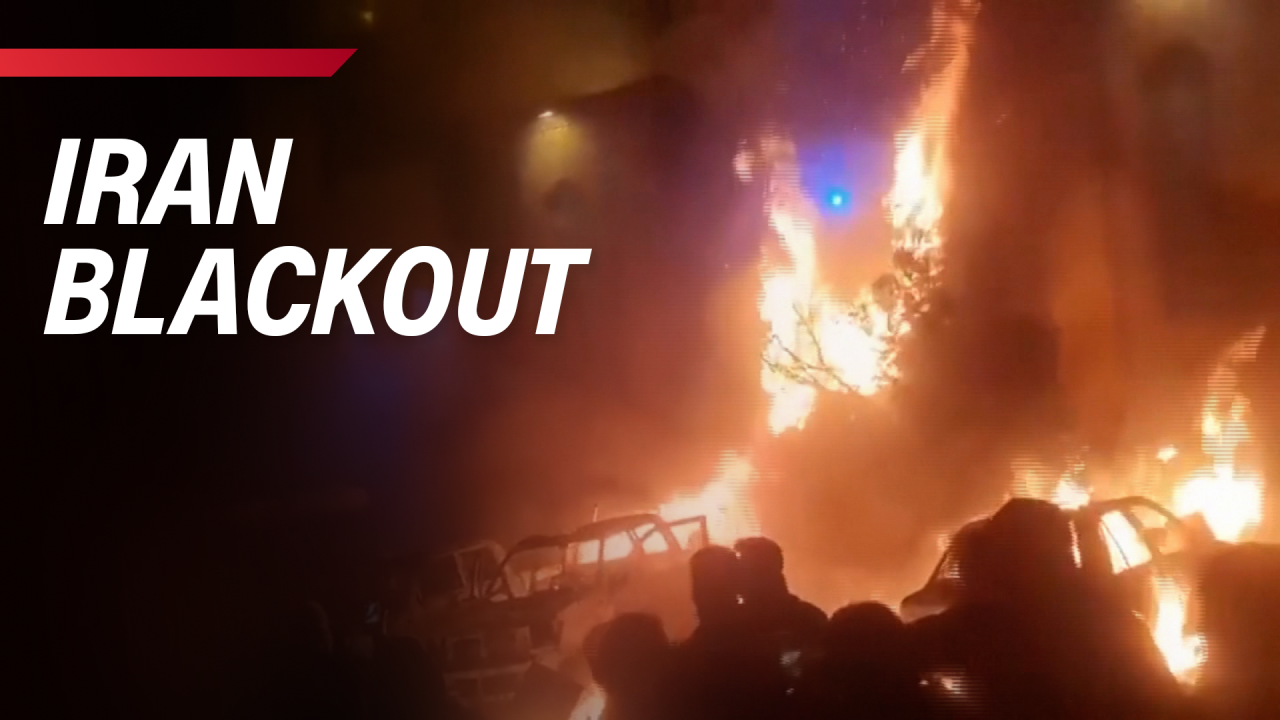
Protests in Iran continue to escalate, marked by an ongoing government-imposed internet blackout that has now exceeded 36 hours. The unrest, which began on December 28, 2023, is fueled by widespread dissatisfaction over rising inflation and the actions of Iran’s conservative leadership. Demonstrations have been taking place in various cities, with the capital, Tehran, seeing significant gatherings.
In a call to action, Reza Pahlavi, the son of Iran’s last shah, has urged citizens to participate in a two-day nationwide strike. In a video posted on X, he encouraged those in key sectors such as transportation, oil and gas, and energy to begin their strike on Saturday, aligning with the start of the work week in Iran. Pahlavi, who was only 16 when his father was ousted during the 1979 Islamic Revolution, seeks to mobilize citizens against the current regime.
During his online address, Pahlavi emphasized the importance of public demonstrations, stating, “I also ask all of you… to come into the streets with flags, images and national symbols and to reclaim public spaces as your own.” He believes that the protests on Friday delivered a significant message to Iran’s leadership. The extent of Pahlavi’s support within Iran remains uncertain, as he has lived in exile for decades.
As protests gain momentum, the Iranian government has responded with severe measures, including cutting internet and telephone connections. According to the watchdog group NetBlocks, connectivity was disrupted following mass demonstrations in Tehran. They reported, “It’s now 8:00 am in #Iran where the sun is rising after another night of protests met with repression; metrics show the nationwide internet blackout remains in place at 36 hours, severely limiting Iranians’ ability to check on the safety of friends and loved ones.”
The protests have highlighted deep-seated frustrations among the Iranian population, with many citizens expressing their grievances against the government’s economic policies and its handling of dissent. As the situation unfolds, the international community continues to watch closely, noting the potential implications for stability in the region.
The call for a strike from Pahlavi adds another layer to the ongoing unrest, as Iranians navigate both the challenges of public demonstrations and the restrictions imposed by their government. With protests showing no sign of abating, the coming days may prove pivotal for the future of dissent in Iran.