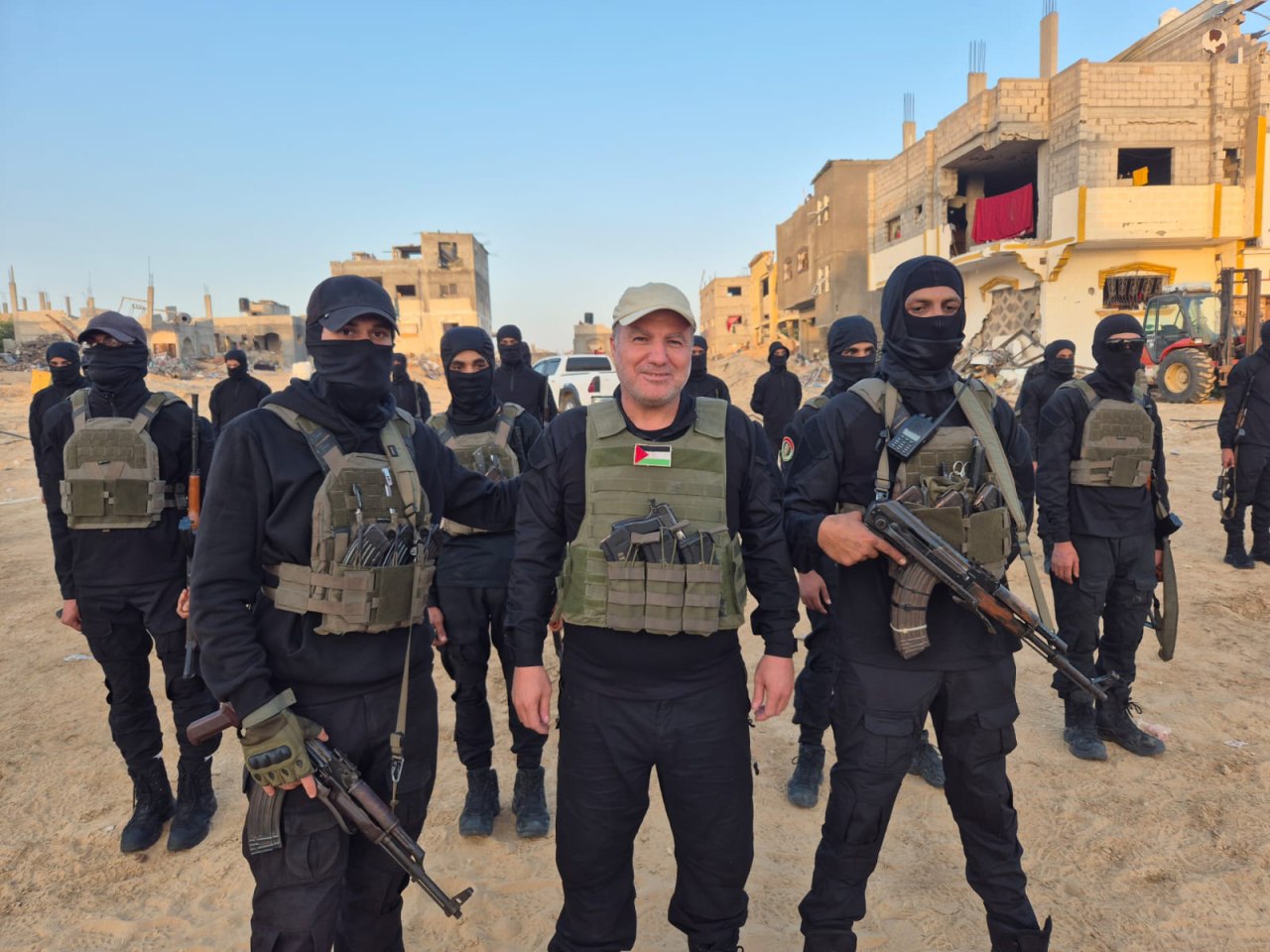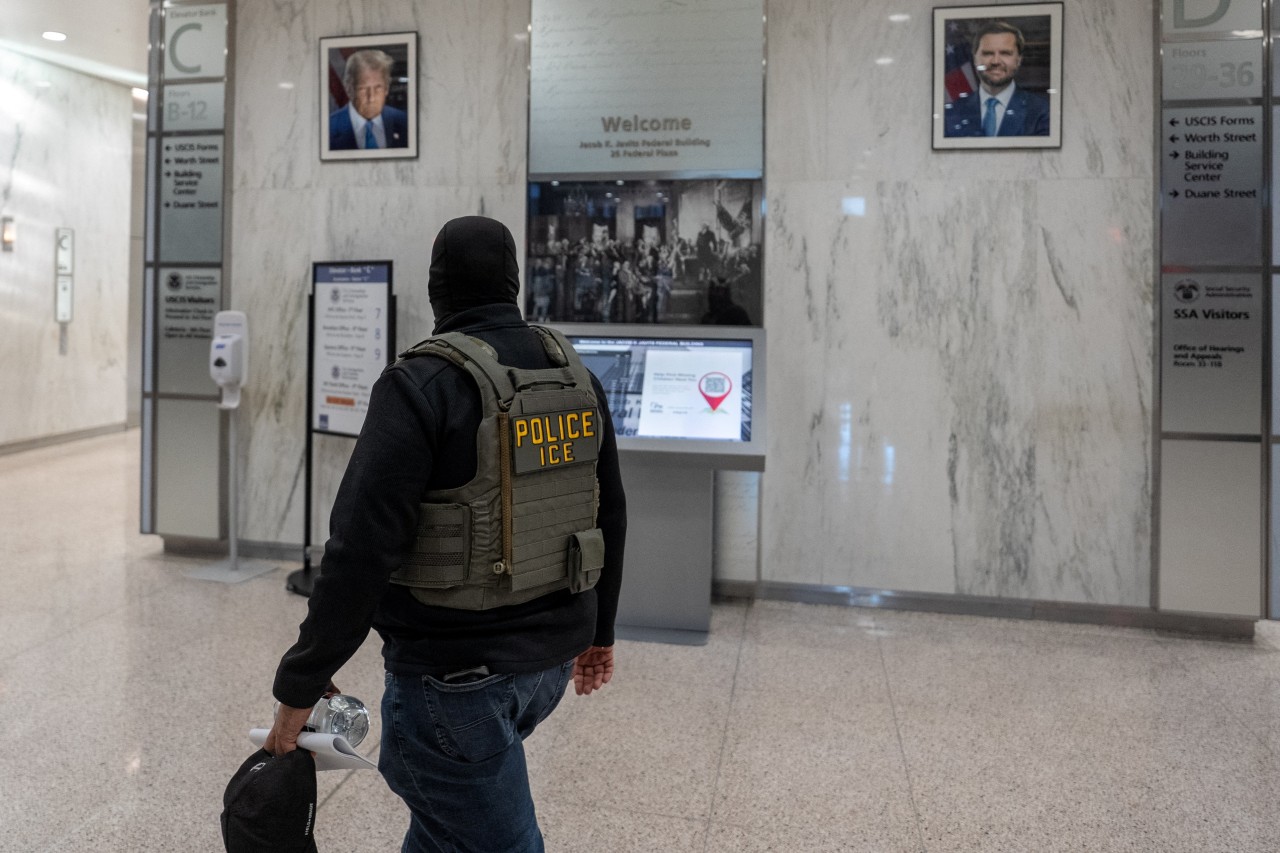
Iran’s Foreign Minister, Abbas Araghchi, stated on Thursday that while the nation does not seek war with Israel or the United States, it is prepared to defend itself if attacked again. His remarks came during his arrival in Beirut at the start of a two-day visit to Lebanon, reflecting ongoing tensions in the region.
Araghchi emphasized that Iran is willing to engage in negotiations with the U.S. regarding its nuclear program, provided these discussions are rooted in mutual respect rather than dictated terms from Washington. His comments follow concerns that Israel may consider further military actions against Iran, similar to the 12-day conflict in June 2020, which resulted in significant Iranian military losses.
Iran’s Response to Potential Aggression
During his press conference, Araghchi asserted, “America and Israel have tested their attack on Iran and this attack and strategy faced extreme failure. If they repeat it, they will face the same results.” He reiterated Iran’s readiness to respond to any military threats, affirming that while the nation does not desire conflict, it is prepared to engage if necessary.
The backdrop of these statements includes the U.S. “maximum pressure” campaign initiated by former President Donald Trump in February 2020, aimed at curbing Iran’s nuclear ambitions. This strategy has involved military actions, including U.S.-led strikes on Iranian enrichment facilities, which took place in June 2020.
Nuclear Negotiations and Enrichment Activities
Araghchi made clear that any future negotiations must be founded on mutual interests. He stated, “We believe that once the Americans reach the outcome that constructive and positive negotiations rather than ordering dictation are the framework, then at that time the results of these negotiations become fruitful.”
Iran’s nuclear program has been a significant point of contention, particularly following the U.S. withdrawal from the 2015 nuclear deal. Since then, Iran has enriched uranium to levels as high as 60% purity, a technical step away from weapons-grade capabilities. Tehran maintains that its nuclear ambitions are peaceful, a claim disputed by Western nations and the International Atomic Energy Agency (IAEA), which reported that Iran had a structured nuclear weapons program until 2003.
In a warning issued in late December 2020, Trump cautioned Iran against reconstituting its nuclear program, indicating the possibility of further military action in discussions with Israeli Prime Minister Benjamin Netanyahu in Florida.
As tensions continue to mount, the international community watches closely, aware that any escalation could have significant repercussions in an already volatile region.