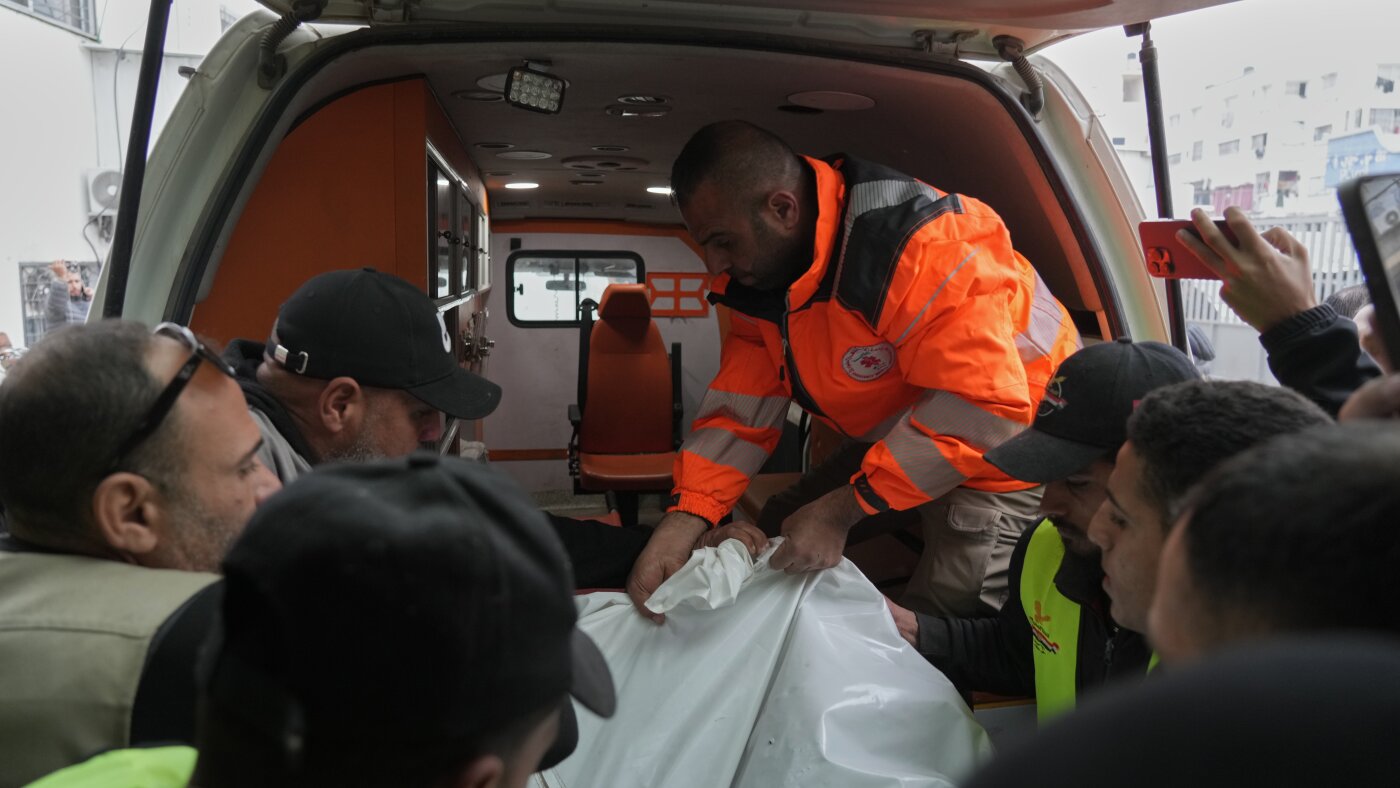
Israeli forces launched a series of strikes in Gaza on Wednesday, resulting in the deaths of at least 11 Palestinians, including two 13-year-old boys, three journalists, and a woman. This escalation marks one of the deadliest days in the enclave since a ceasefire between Hamas and Israel was established on October 10, 2023. Hospitals in the region reported the casualties, underscoring the ongoing humanitarian crisis.
Details of the Attacks
The attacks occurred during a period of heightened tensions, as the United States seeks to advance the complex second phase of the ceasefire agreement. Among the deceased were three Palestinian journalists who were reportedly documenting activities at a displacement camp in central Gaza. A spokesperson for the Egyptian government committee managing the camp confirmed that the journalists were targeted while filming about 5 kilometers (3 miles) from the Israeli-controlled area.
The two boys were killed in separate incidents. One was struck by Israeli drones in the Bureij refugee camp, along with his father and a 22-year-old man. Al-Aqsa Martyrs Hospital in Deir al-Balah received their bodies, although it remains unclear whether the victims had entered Israeli-controlled territory. The second boy, identified as Moatsem al-Sharafy, was shot by troops in Bani Suheila. His mother, Safaa al-Sharafy, expressed her grief, stating, “He went out in the morning, hungry. He told me he’d go quickly and come back.”
The attack on the journalists included fatal strikes on a vehicle carrying them in the Netzarim area. Among those killed was **Abdul Raouf Shaat**, a contributor to Agence France-Presse, who was not on assignment at the time. The agency mourned his death, calling him a “kind-hearted colleague” and urging for a thorough investigation.
The Committee to Protect Journalists reported that over 200 Palestinian journalists and media workers have lost their lives since the conflict began in 2023. This tragic statistic highlights the dangers faced by those documenting the situation in Gaza, particularly as Israel has restricted international journalists from entering the region.
Casualties and Broader Implications
In addition to the journalists, Nasser Hospital confirmed that a Palestinian woman was shot in the Muwasi area of Khan Younis. Earlier attacks also resulted in the deaths of three brothers due to tank shelling in the Bureij camp. According to Gaza’s health ministry, more than 470 Palestinians have been killed by Israeli fire since the ceasefire took effect.
The ministry, which operates under the Hamas-led government, maintains detailed casualty records that are generally deemed reliable by United Nations agencies and independent observers. Notably, at least 77 fatalities have occurred near the ceasefire line, which separates Israeli-held areas from the majority of Gaza’s Palestinian population.
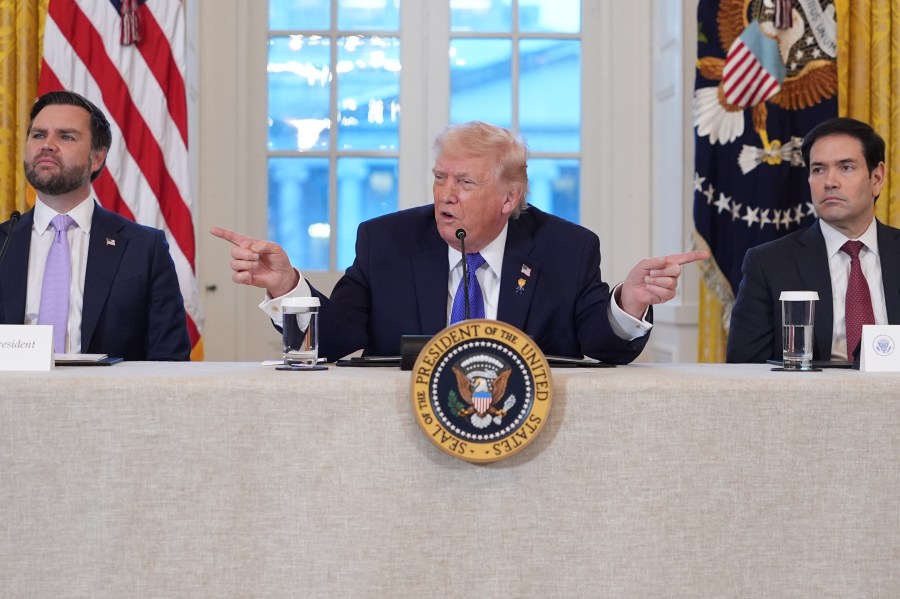
The first phase of the ceasefire focused on the return of all remaining hostages in exchange for the release of hundreds of Palestinian detainees. While most hostages have been returned, the family of **Ran Gvili**, a police officer killed during the initial Hamas attacks, continues to seek clarity about his remains. His mother, Talik Gvili, urged both the Israeli government and U.S. President **Donald Trump** to ensure the recovery of her son, emphasizing the need to “not give up on anyone.”
As the conflict escalates, Israel’s military has also intensified operations in southern Lebanon, targeting sites used by the militant group Hezbollah. Strikes on Wednesday hit multiple locations, resulting in injuries to at least 19 individuals, including journalists. Lebanese officials condemned these actions, with President **Joseph Aoun** describing them as “systematic aggression.”
The ongoing violence and civilian toll in Gaza and Lebanon illustrate the fragile state of peace in the region. As international efforts to mediate continue, the humanitarian impact remains a pressing concern, with the deaths of journalists and children underscoring the urgent need for a resolution to the conflict.