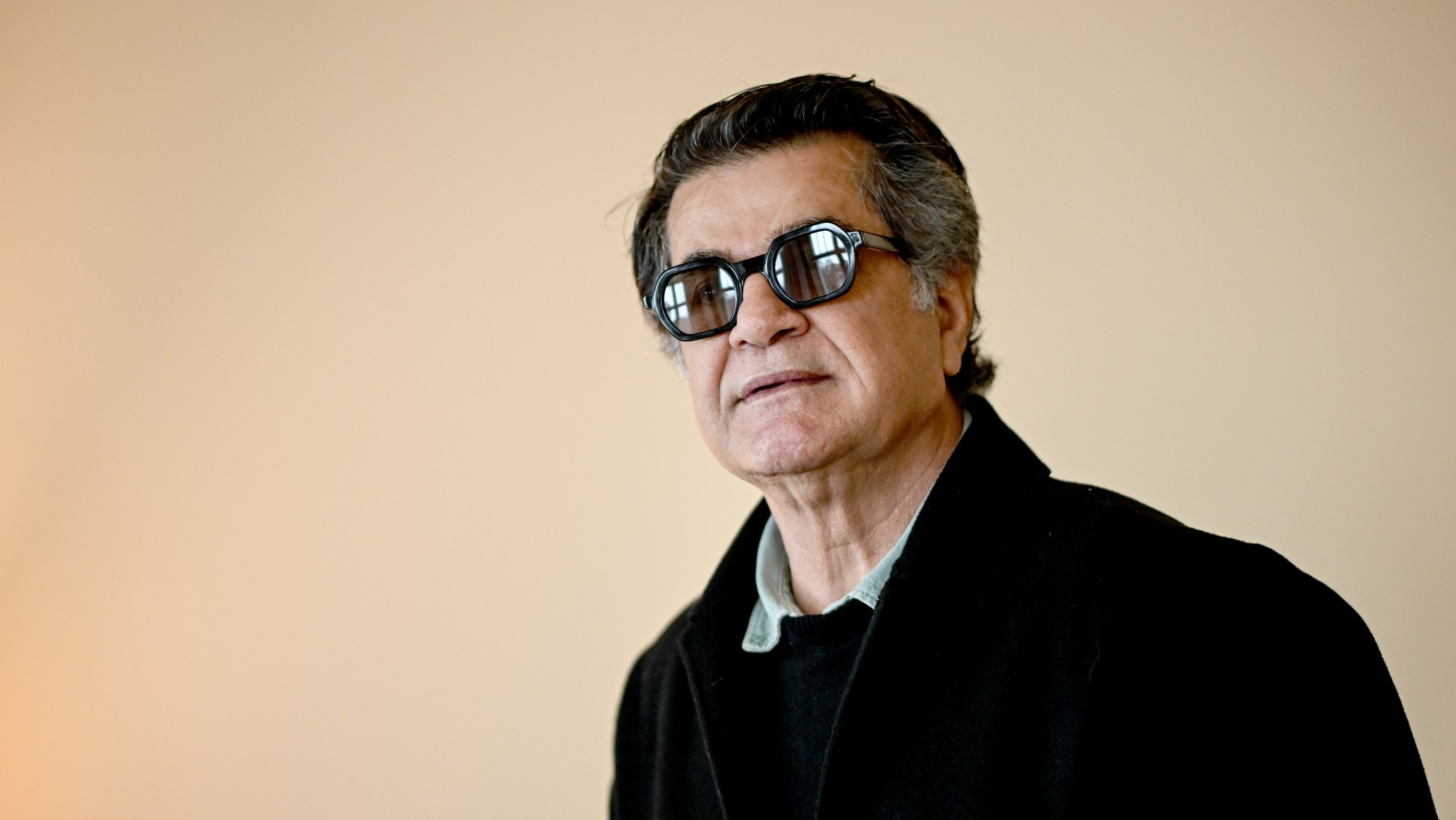
Renowned Iranian filmmaker Jafar Panahi is set to return to Iran following his campaign for the film It Was Just an Accident, despite facing a new prison sentence and travel ban from Iranian authorities. The film, which has garnered significant international acclaim, including the coveted Palme d’Or at the Cannes Film Festival in 2023, reflects Panahi’s experiences in prison and the relationships he formed there.
In November, Neon, the North American distributor, announced Panahi’s first-ever U.S. tour. This marked a significant moment for the director, who had been under a travel ban for over a decade and faced multiple prison sentences during that time. The lifting of the ban in 2023 allowed him to attend the world premiere of his film in Cannes, where it resonated with audiences and critics alike. Following its success, It Was Just an Accident has been recognized globally, including nominations for major awards, such as the Golden Globe Awards and a shortlist for the Oscar for Best International Feature.
Despite the film’s success and his accolades at the Gotham Awards, where he received awards for directing and screenplay, Panahi’s return to Iran is overshadowed by the recent announcement of his new one-year prison sentence for “propaganda activities” related to his work. He will proceed with his promotional activities for the film, which include stops in cities like Morocco and Germany, before returning home.
Reflecting on Audience Reactions
In a recent interview via Zoom, Panahi expressed the significance of his U.S. tour, stating that watching the film with audiences allowed him to gauge its strengths and weaknesses. He noted, “Anywhere I went and saw the film with an audience was itself an experience.” The filmmaker highlighted differences in audience reactions across various American cities, particularly regarding humor in the film.
Panahi found it intriguing that some scenes elicited laughter in the U.S. that he did not anticipate, such as a moment involving a family being taken to the hospital by authorities. This reaction contrasted sharply with how the same scene might be received in Iran, emphasizing the cultural nuances at play in film interpretation.
Commitment to Return
Despite the impending prison sentence, Panahi remains resolute about going back to Iran. He stated, “The day that I’m done with my work here I will return to Iran.” His return is underscored by a deep understanding of the cultural context and daily life in Iran, which he believes is essential for his work.
He articulated his commitment to staying true to his roots, despite the risks involved. “It doesn’t make any difference to me what people think or understand about my decision. It’s just what I’m feeling that I have to be truthful to,” he said.
Panahi also reflected on the broader challenges faced by Iranian filmmakers and artists, mentioning colleagues like Ali Ahmadzadeh, who have encountered similar obstacles. He described a shared struggle within the artistic community in Iran, where many creatives face bans and restrictions while trying to express themselves.
As he navigates the complexities of his situation, Panahi continues to advocate for artistic freedom and the power of film as a medium for storytelling. His journey, marked by resilience and dedication, serves as a testament to the spirit of those who strive to create in the face of adversity.