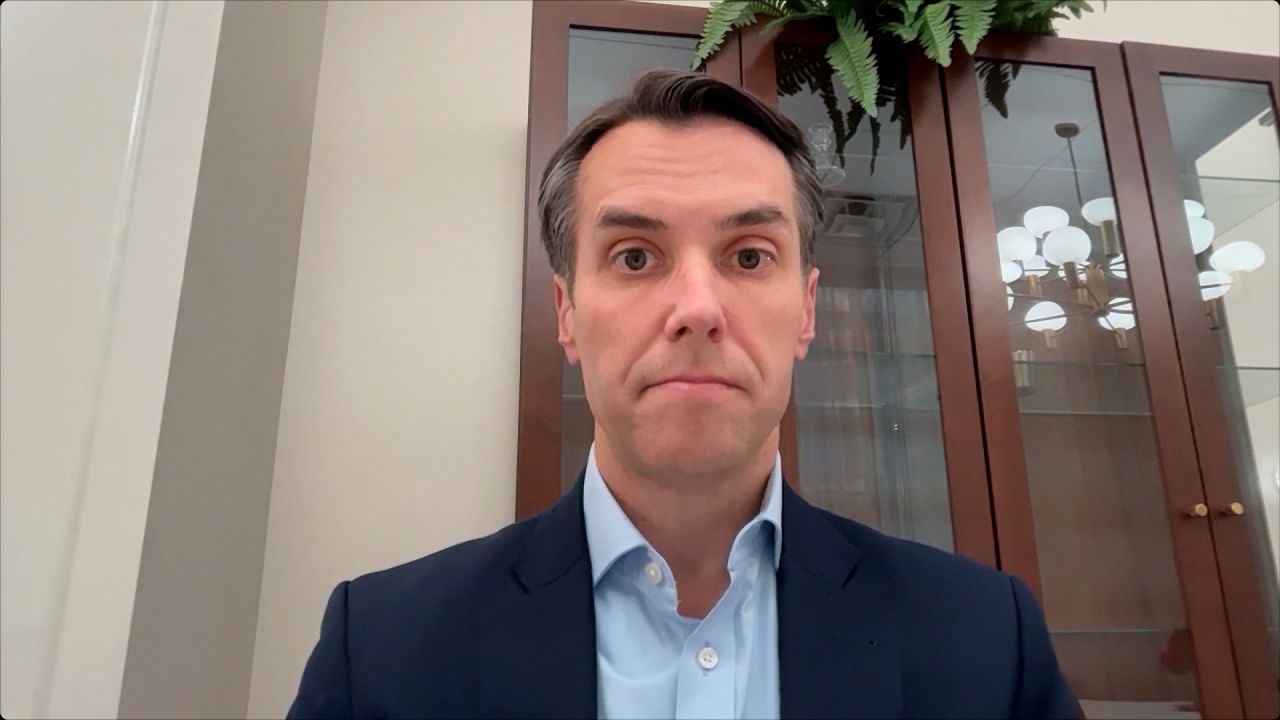
The iconic bourbon brand Jim Beam will pause production at its Kentucky distillery, a decision linked to the economic impact of tariffs imposed during the Trump administration. The announcement has drawn attention from political leaders, particularly from Democratic Representative Morgan McGarvey, who directly attributes the situation to the former president’s trade policies.
Jim Beam’s parent company, Beam Suntory, stated that the pause is a necessary measure to respond to ongoing supply chain challenges and increased production costs. As of October 2023, the distillery will halt its operations temporarily, affecting local jobs and the overall economy in the region.
Impact of Tariffs on Local Industry
Representative Morgan McGarvey has been vocal about the repercussions of tariffs on the bourbon industry, which heavily relies on exports. In a recent discussion, he emphasized that the tariffs have significantly strained production capabilities and profitability for local distilleries. “This is a direct result of bad trade policy that has hurt Kentucky’s bourbon industry,” McGarvey remarked during an interview on CNN’s The Lead.
The tariffs, particularly those related to EU imports, have complicated the market for bourbon producers. In 2021, bourbon exports reached a record high of $1.4 billion, but the ongoing trade tensions have jeopardized that growth. The pause in production at Jim Beam, one of the largest bourbon producers globally, signifies a troubling trend for the industry.
The local economy in Kentucky is particularly vulnerable, as the bourbon sector supports thousands of jobs. Jim Beam employs over 1,000 workers at its distillery and surrounding facilities, and any production halts can lead to significant economic fallout.
Future of Bourbon Production
As Jim Beam navigates this challenging landscape, the company has pledged to reassess its operations and explore potential adjustments to mitigate the impact of tariffs. The distillery has a storied history, dating back to 1795, and is known for its commitment to quality and tradition.
The response from local lawmakers has been swift. McGarvey, who represents parts of Louisville and surrounding areas, is advocating for policy changes that would alleviate the burden on distillers. He believes that re-evaluating trade agreements is essential for the sustainability of Kentucky’s bourbon industry.
Jim Beam’s decision to pause production serves as a critical reminder of how international trade policies can influence local economies. As the situation unfolds, stakeholders within the bourbon sector will be closely monitoring both the domestic and international political landscape for signs of change that could benefit their operations.
In summary, the pause at Jim Beam not only reflects the challenges faced by one of Kentucky’s most famous exports but also highlights the broader implications of trade policy on local communities and industries.