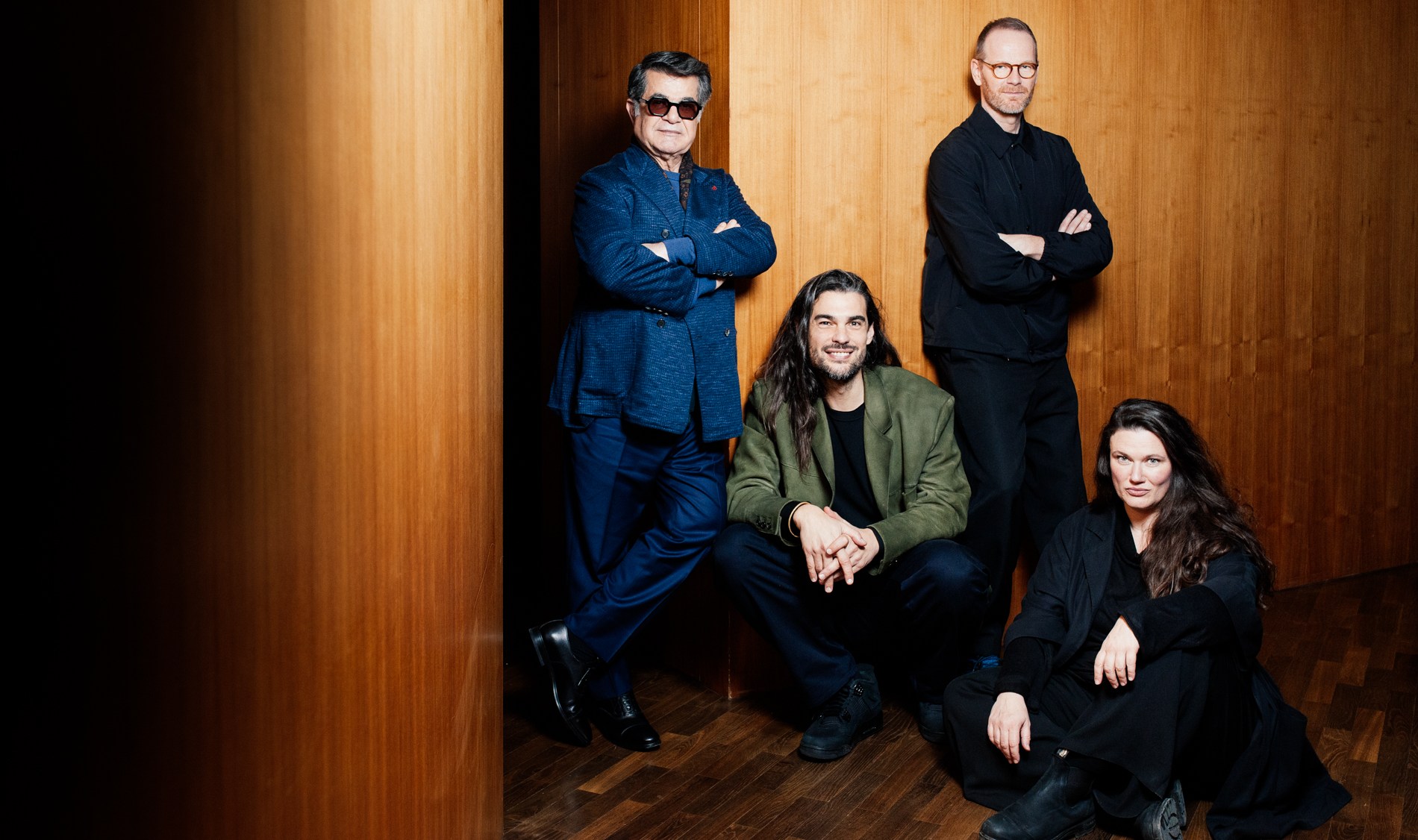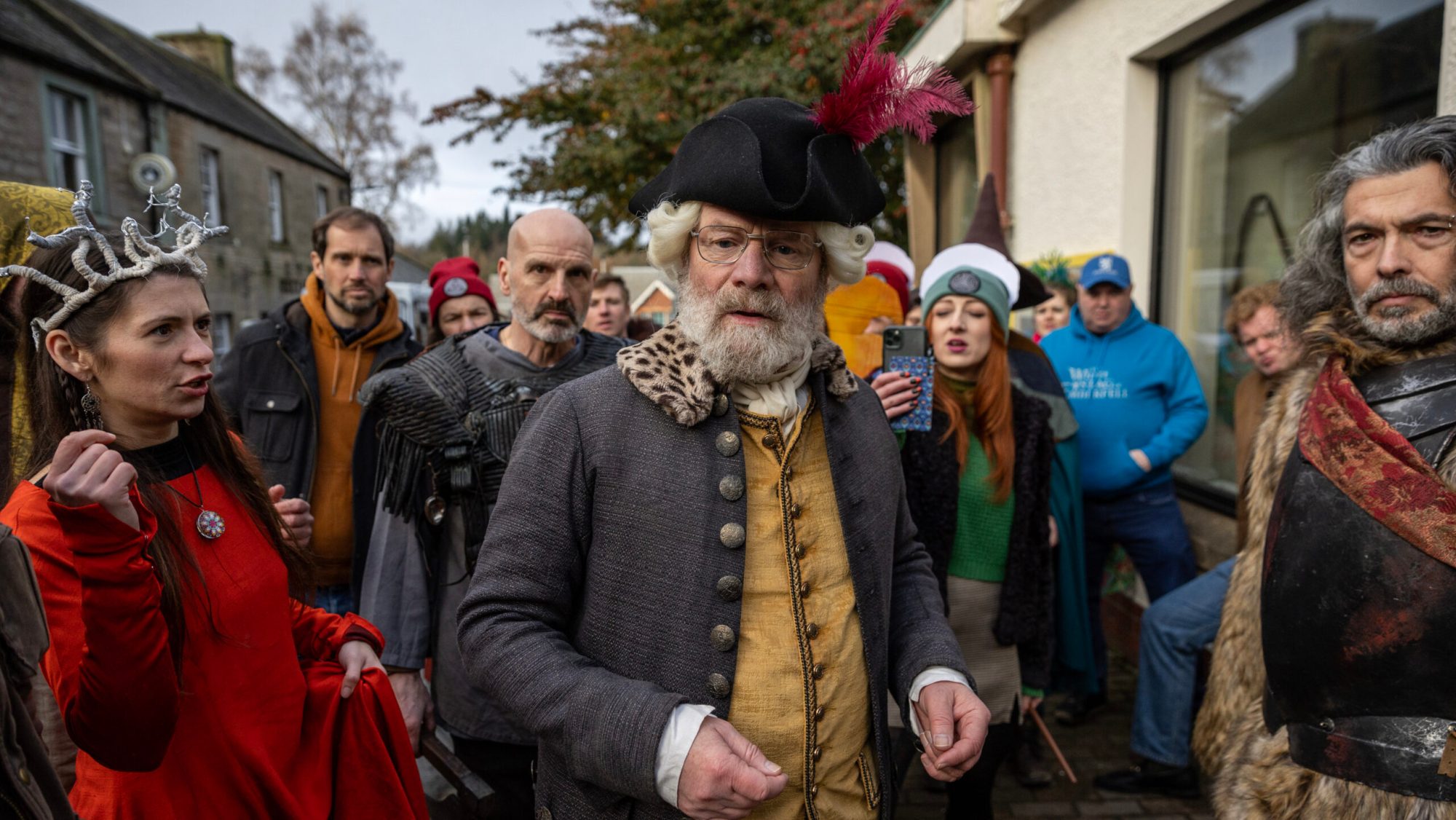
The world premiere of The Fall of Sir Douglas Weatherford, the directorial debut of Seán Dunn, will take place at the International Film Festival Rotterdam on January 30, 2024. The film, featuring acclaimed actor Peter Mullan, delves into the complex interplay between history, identity, and the fictions that shape our lives.
Set in the fictitious Scottish village of Arberloch, the narrative follows Kenneth, played by Mullan, a tour guide who dresses as the legendary 18th-century inventor and philosopher, Sir Douglas Weatherford. As a popular fantasy television series begins filming in the village, Kenneth finds his role and the local mythology overshadowed by the allure of modern fantasy. This shift forces him to confront the realities of his own existence and the changing perceptions of identity.
Dunn’s project is described by the festival as “a darkly comic study of aging, identity, and the fictions we cling to when everything around us shifts.” The film also stars Gayle Rankin, Jakob Oftebro, Sid Sagar, and Lewis MacDougall.
The film’s production was supported by notable organizations, including BBC Film, the BFI Film Fund, BBC Scotland, and Screen Scotland. The creative team includes cinematographer David Gallego, editor Shakti Bhagchandani, and production designer Jamie Morgan Lapsley. The score for the film is provided by Gazelle Twin.
Dunn’s inspiration for the film originated during a visit to Edinburgh with his wife, who is a fan of the Harry Potter franchise. While exploring a historic graveyard, they encountered tourists engaging in an incantation at the gravestone of a man named Thomas Riddle, which led to a revelation about the blurred lines between history and fantasy.
Dunn reflects on the significance of this encounter: “It was interesting that this guy had a history that has basically been erased and replaced by this fantasy.” He highlights the uncomfortable truth that narratives can often overshadow real histories, transforming figures into mere symbols of fiction.
The director also addresses Scotland’s historical narrative and its relationship with England. He discusses how national identity is shaped by cultural conquests and the perception of Scotland as a smaller nation striving for egalitarianism. “We tell ourselves that we are working-class and care about the common man,” Dunn explains, “but our history reveals a more complex relationship with imperialism.”
Working with Mullan has been a highlight for Dunn, who admires the actor’s talent and experience, particularly in the fantasy genre, such as his role in The Lord of the Rings: The Rings of Power. “He likes to improvise a lot, which was fun,” Dunn shares. “He has ideas that are always better than what I’d written.”
While Dunn appreciates fantasy, he admits to not being a fan of franchises like Game of Thrones. Instead, he focuses on the sociological implications of how local cultures engage with these narratives for tourism. He aims to respect the fantasy genre in his film while also providing a satirical perspective.
The fictional series within the film, The White Stag of Emberfell, serves as a commentary on the nature of fantasy itself, reflecting Dunn’s observations of the genre’s commonalities. He created the character of Sir Douglas Weatherford as a composite of historical figures, representing Scotland’s rich heritage during the Enlightenment.
As Kenneth navigates his existential crisis, Dunn believes audiences will resonate with the themes of identity and belief. He notes the cultural shifts of the past decade, emphasizing the importance of maintaining humanity amid changing perspectives.
Looking ahead, Dunn mentions that he has been working on new projects during the editing process for The Fall of Sir Douglas Weatherford. These include a story set in the late 19th century about a man grappling with identity and guilt, and another centered around the Y2K era, involving conspiracy theories.
With its exploration of deep themes through humor and fantasy, The Fall of Sir Douglas Weatherford promises to engage viewers while prompting reflection on the narratives that define us.