Nicaragua has officially ended its visa-free entry policy for Cuban citizens, a significant shift that alters the travel landscape for those seeking to enter the United States. As of Sunday, Cuban nationals are now required to obtain a visa to travel to Nicaragua, a departure from the previous policy implemented in 2021 that aimed to enhance tourism and strengthen ties between the two nations.
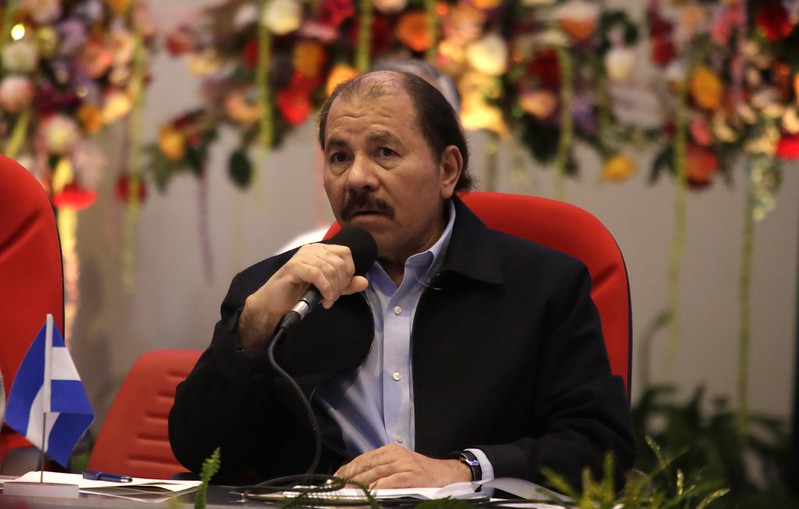
The decision reportedly responds to pressures from the United States, particularly from the administration of former President Donald Trump. In recent months, the US has urged Nicaraguan President Daniel Ortega to release numerous political prisoners, raising concerns about migration policies that could facilitate human trafficking and smuggling.
According to reports, the US government has accused Ortega and Nicaraguan Vice President Rosario Murillo of creating conditions that allow migrants to be exploited for economic gain. The recent change in visa policy has sparked protests in Cuba, where numerous citizens gathered outside the Nicaraguan Embassy in Havana on Monday. Many of them had travel plans that are now uncertain due to the new requirements, which lack clarity regarding the application process and timeline, although no visa fees are mentioned.
The increasing pressure from the US comes in the wake of military operations in Venezuela, which led to the capture of President Nicolás Maduro in January 2024. Ortega, a noted ally of Maduro, has expressed willingness to send “Sandinista fighters” to support the Venezuelan government following Maduro’s contentious re-election.
In conjunction with this visa policy change, the US White House recently announced a new tariff scheme targeting Cuba. This measure allows the US to impose elevated tariffs on any nation that provides oil to Cuba, a move justified by US officials on the grounds that Cuba aligns itself with adversarial nations and hosts their military capabilities.
Ortega’s regime has faced widespread criticism from various governments and international organizations, which label him as an authoritarian leader due to ongoing human rights abuses and repression. The US has established policies aimed at restoring democratic practices in Nicaragua, including promoting free elections and addressing humanitarian needs.
The diplomatic dynamics in Central America are evolving, particularly following the Trump administration’s declaration of a “new Monroe Doctrine” in December. This policy emphasizes US influence and control over nations in the Western Hemisphere, further complicating relationships between the US, Nicaragua, and Cuba.
The impact of these developments will likely resonate beyond the immediate travel restrictions, as they signify a shift in regional relations and highlight the ongoing tensions between the US and its Latin American neighbors.