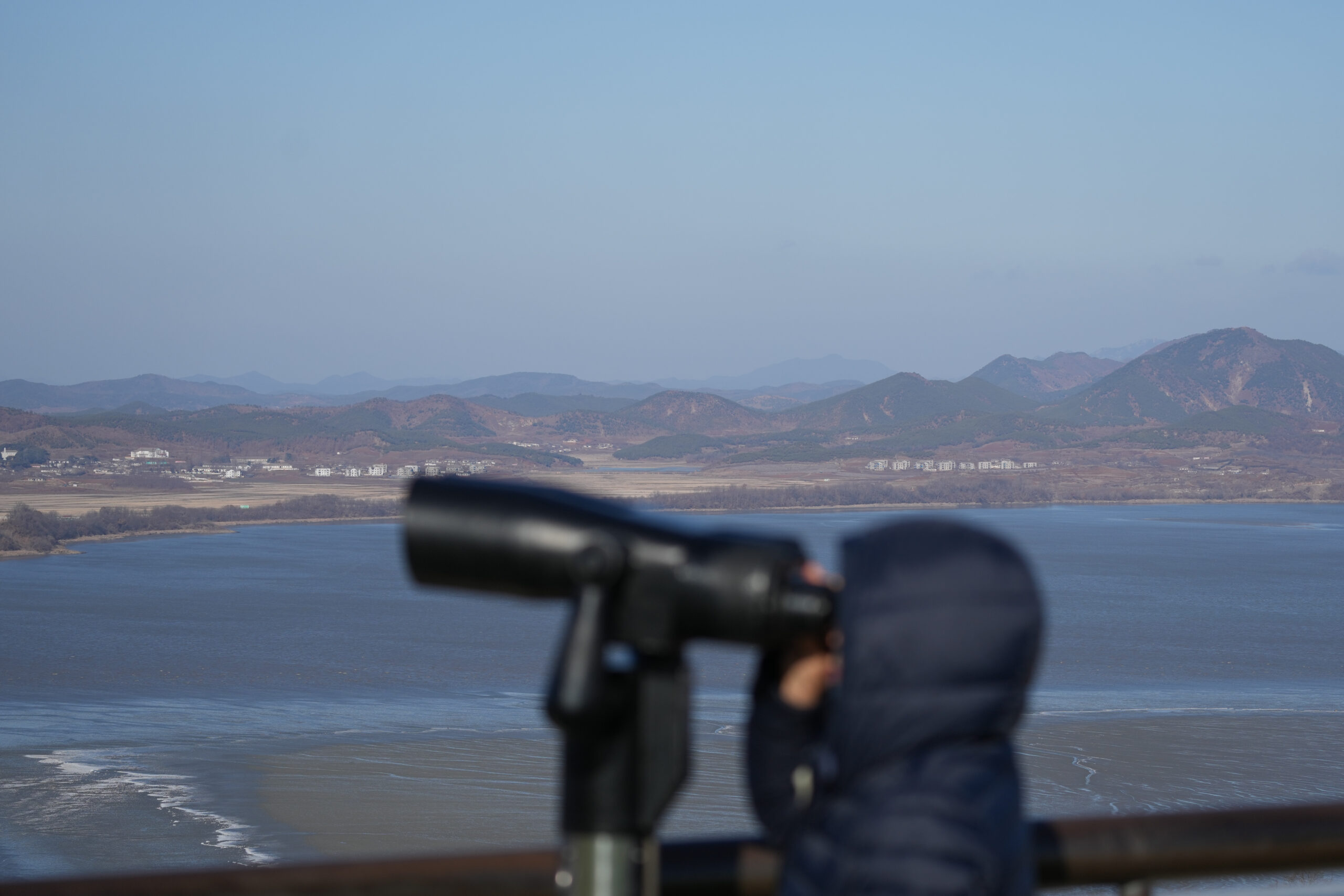
North Korea has launched multiple ballistic missiles into the sea, according to South Korea’s military. This incident occurred on Sunday, around 07:50 local time, and is seen as the latest demonstration of North Korea’s military capabilities ahead of its upcoming Workers’ Party congress.
South Korea’s Joint Chiefs of Staff confirmed that several missiles were detected firing from the capital region, directed toward North Korea’s eastern waters. No further details were provided regarding the missiles’ range or impact. In response, South Korea has enhanced its surveillance measures and is actively sharing intelligence with the United States and Japan regarding the missile activity.
International Reactions and Context
Japan’s defense ministry also reported observing the suspected missile launches, but there were no immediate indications of damage or threats to civilian areas. Analysts suggest that North Korea is likely increasing its weapons tests to showcase advancements in its defense sector, particularly as the Workers’ Party congress approaches. This congress is significant, being the first of its kind in five years, and observers are eager to see if new policies concerning the United States will be established.
While North Korea has not officially announced the date for the congress, South Korea’s National Intelligence Service has indicated it is expected to occur in January or February 2025. The timing of the missile launches is noteworthy, as it coincides with South Korean President Lee Jae Myung‘s planned visit to China for a summit with President Xi Jinping. During this four-day trip, President Lee is anticipated to request China’s assistance in fostering peace on the Korean Peninsula.
Recent Military Developments
Earlier in the week, North Korea conducted tests involving long-range strategic cruise missiles, further demonstrating its ongoing military activities. Additionally, the country has released images suggesting progress in the construction of its first nuclear-powered submarine, which could have significant implications for regional security dynamics.
The international community continues to monitor these developments closely, as they may influence diplomatic relations and the potential for renewed negotiations concerning North Korea’s nuclear ambitions. The situation remains fluid, and the upcoming congressional session is likely to play a critical role in shaping the North’s future policies.