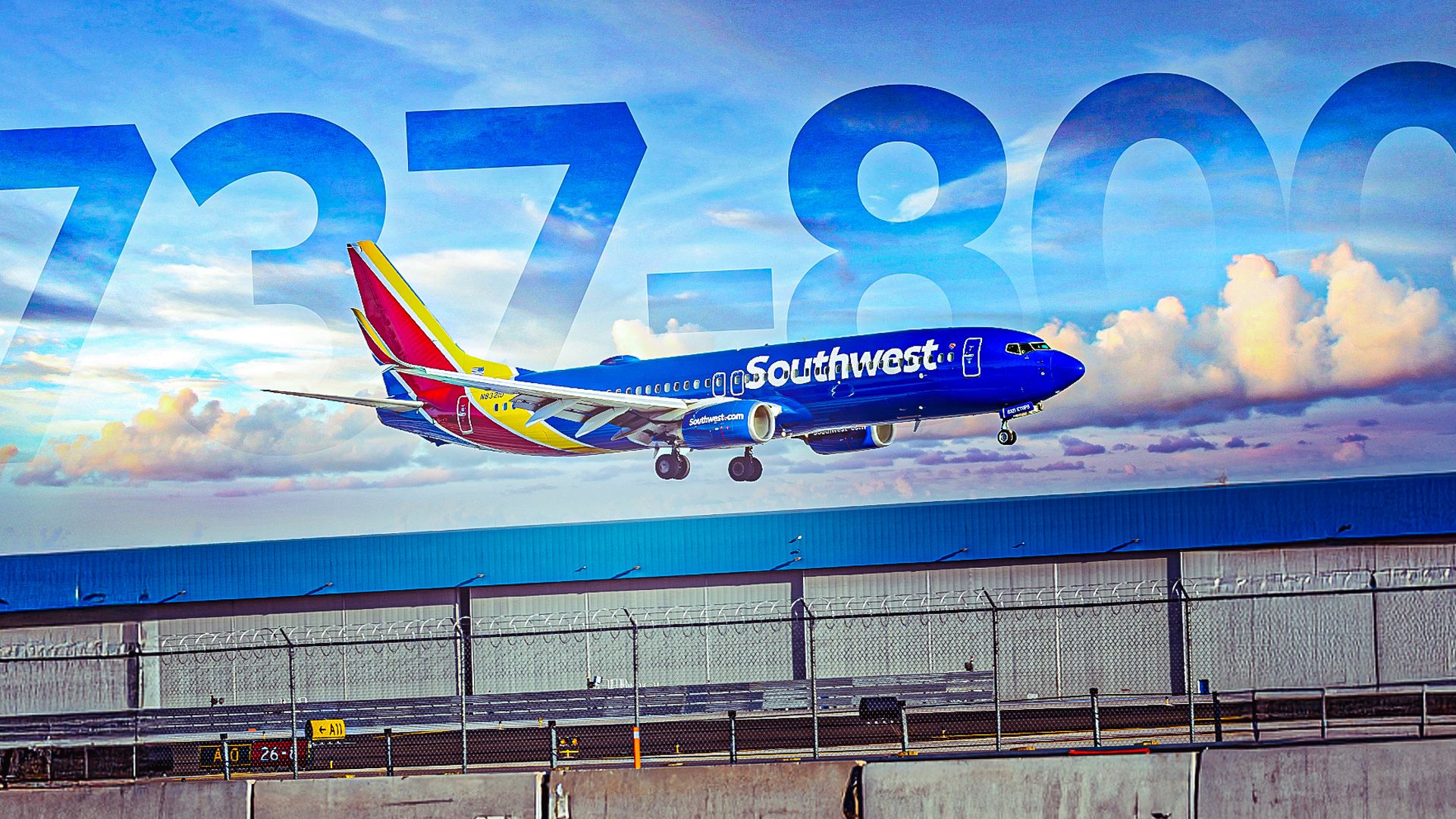
On March 20, 2025, a significant incident occurred at Orlando International Airport (MCO) involving a Southwest Airlines Boeing 737-800, identified as Flight 3278, which was preparing to depart for Albany, New York. The aircraft began its takeoff roll on a taxiway rather than the designated runway, leading to a swift intervention by air traffic controllers who canceled the takeoff clearance. Fortunately, the pilots rejected the takeoff in time, and all 158 individuals on board, including 152 passengers and six crew members, returned safely to the apron with no injuries reported.
Investigators from the National Transportation Safety Board (NTSB) later determined that the incident was primarily due to pilot error. The crew mistakenly interpreted the taxiway as the runway, despite being cleared for takeoff. The NTSB’s findings highlight critical lapses in adherence to standard operating procedures, which are designed to ensure the safety of flight operations.
Details of the Incident
The NTSB’s investigation revealed that the captain of the aircraft failed to recognize that the airplane was positioned incorrectly before initiating the takeoff. After receiving clearance, the crew mistakenly turned right onto taxiway H2 instead of heading to runway 17R. Although the captain noted the sign for runway 17R, he did not realize that they were on a taxiway, which runs parallel to the runway.
In an interview, the captain explained that he was focused on centering the aircraft and completing pre-takeoff checklist items. His attention to these tasks prevented him from recognizing the taxiway surface ahead. The orientation of the taxiway, along with the signage directly in front of the cockpit, contributed to the confusion. When questioned about verifying the painted numbers on the runway, the captain stated that he could not see them from the cockpit. Instead, he relied on visual references like lighting, the magnetic course, and a moving map display to navigate during taxiing.
Investigative Findings and Safety Procedures
The NTSB’s report, released in collaboration with the Federal Aviation Administration (FAA) on December 11, included specific excerpts detailing the captain’s failure to follow Southwest Airlines’ standard operating procedures (SOP). These procedures outline essential references to confirm an aircraft’s position for takeoff, including:
– Aircraft heading indicators
– Navigation display
– Runway signage
– Painted runway designations
– Runway lighting
The investigation found that the captain did not properly utilize these visual references, missing crucial indicators such as the yellow painted centerline and the distinct differences in surface between the taxiway and runway. Additionally, the first officer was distracted by the captain’s requests for checklist confirmations, which also deviated from the airline’s SOPs and contributed to the error.
While the incident concluded without physical harm, it underscores the importance of strict adherence to safety protocols in aviation. As travel activity increases, particularly during peak periods such as spring break, the risks associated with operational errors can escalate significantly. The NTSB’s findings serve as a reminder for airlines to reinforce the importance of procedural compliance among flight crews to enhance overall safety in the aviation industry.