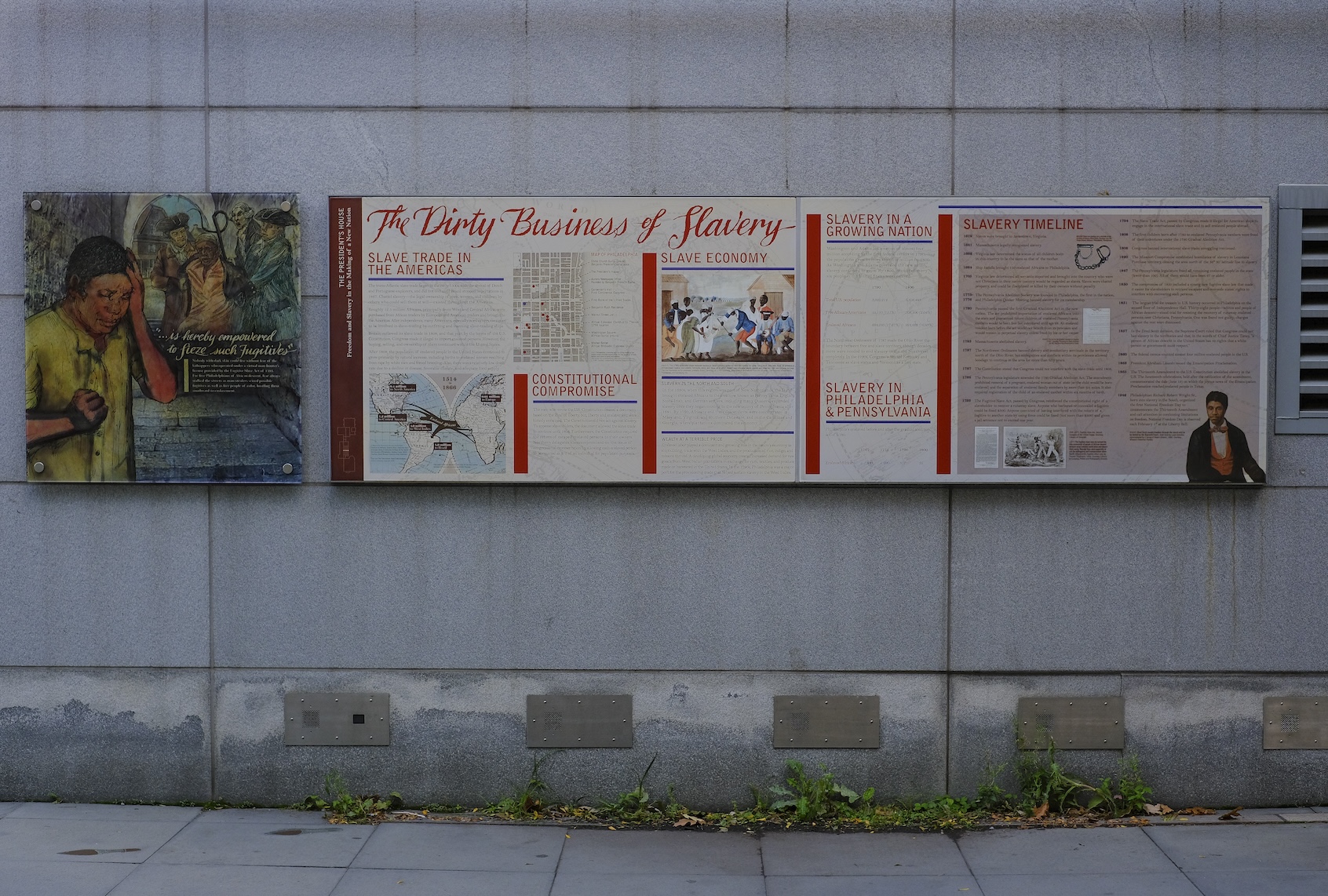
Philadelphia has initiated a lawsuit against the Department of Interior following the recent removal of a slavery exhibit at the President’s House site within Independence National Historical Park. This exhibit served as a memorial to nine enslaved individuals who were owned by George Washington during the nation’s founding. The removal of all related signage occurred on the afternoon of the same day, with an employee at Independence Park stating, “I’m just following my orders,” according to the *Philadelphia Inquirer*.
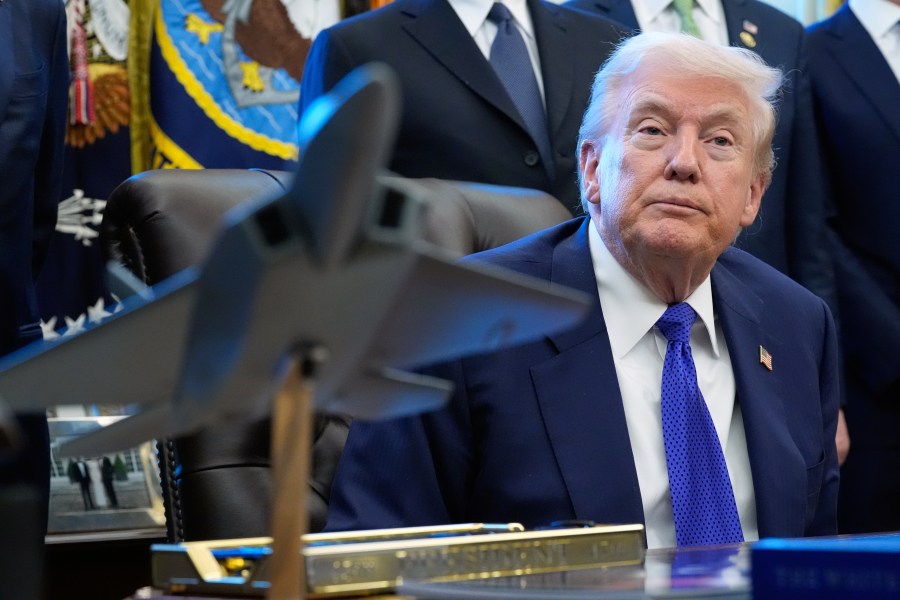
The action follows a controversial executive order issued in March 2025, which mandated a review of over 400 national sites to eliminate or modify interpretive materials deemed to “inappropriately disparage Americans past or living.” The order explicitly targeted Independence Park, criticizing the Biden administration for promoting what it called a “corrosive ideology.”
Government Response and Historical Significance
In reaction to the removal, Pennsylvania Governor Josh Shapiro, a Democrat, condemned the decision, asserting that it represents an effort to “rewrite and whitewash our history.” Shapiro emphasized that Pennsylvania has a duty to learn from its past, even when it is painful. “But he picked the wrong city — and he sure as hell picked the wrong commonwealth,” he stated.
The exhibit had been officially established in 2006 through a mutual agreement between the city and the National Park Service. It was designed to acknowledge “all those who lived in the house while it was used as the executive mansion, including the nine enslaved Africans brought by George Washington.” The memorial opened to the public in 2010 during the Obama administration.
The 2006 agreement specified that “no changes or alterations shall be made in the property within the Independence Hall National Historic Site, including its buildings and grounds… except by mutual agreement between the Secretary of the Interior and the other parties to the contracts.” The lawsuit filed by Philadelphia claims that the removal of the exhibit was executed without proper authorization or notification to city officials.
Legal Action and Historical Integrity
City officials are seeking a preliminary injunction that would allow the exhibit to remain in place while the legal proceedings unfold. Philadelphia City Council President Kenyatta Johnson expressed concern over the implications of the removal, stating, “Altering or censoring the site threatens the historical integrity of the site, undermines public understanding of our complete past, and erases the experiences of the enslaved individuals whom the memorial honors.” Johnson argued that removing items from the President’s House changes the landscape but not the historical record itself.
The lawsuit highlights broader issues regarding the representation of history in public spaces, especially as it pertains to the narratives surrounding slavery and its legacy in America. As this case progresses, it will likely draw attention not only to the specific actions taken in Philadelphia but also to the ongoing national discussion about how history is preserved and interpreted in public memory.
The conflict surrounding the removal of this exhibit reflects deeper societal tensions and the challenge of reconciling historical narratives with contemporary values. As Philadelphia moves forward with its legal efforts, the outcome may set a precedent for how historical sites are managed and how they confront difficult aspects of the nation’s past.