In the spring of 2024, the production team behind the film Rental Family faced an unexpected challenge while preparing to shoot a scene at an apartment building in Tokyo. A neighbor raised concerns about the noise generated by the filming, prompting the property owner to withdraw from the location agreement. Unlike the United States, where such cancellations can lead to legal disputes, Japan’s cultural approach accepts these sudden changes without recourse. Producer Julia Lebedev explains, “They’re not willing to jeopardize the sense of community and the individual responsibility for each other.”
This cultural understanding became essential for Lebedev and her partner Eddie Vaisman as they navigated the complexities of filmmaking in Japan. They quickly adapted to the local customs, developing contingency plans for various scenarios. “There was always a backup to the backup,” Vaisman noted, highlighting their proactive approach to production challenges. Such meticulous planning paid off, as the film, backed by Searchlight Pictures, premiered to positive reviews at the Toronto International Film Festival in September, ahead of its theatrical release on November 21, 2024.
The journey of Rental Family began in 2019 when Lebedev and Vaisman first discussed the concept with director and co-writer Hikari. After securing funding from Searchlight in 2023, they engaged in numerous virtual meetings with their Japanese counterparts. Conversations often extended beyond the scheduled hour, as translators worked to convey the subtle nuances of cultural differences. “Location agreements are far from iron-clad,” they learned, requiring them to advocate for the film’s unique approach.
Arriving in Japan for a 50-day shoot, the team adjusted to the local rhythm, working 17 hours ahead of their families back home. Tokyo’s vastness necessitated a shooting schedule that often limited the crew to one location per day. Lebedev appreciated this slower pace, stating, “It ended up being a really nice way to make the film, because the actors weren’t rushed.” In contrast to the fast-paced environment of Hollywood, where time often equates to money, the production embraced a more deliberate approach.
An integral aspect of filming in Japan involved respecting local customs, such as removing shoes before entering a location. “It creates a real slowdown, but it is not even a question that we would damage the location or insult the location owners by wearing our shoes inside,” Lebedev remarked. This cultural practice extended across the crew, from the Oscar-winning actors to the key grip, fostering a strong sense of unity and respect.
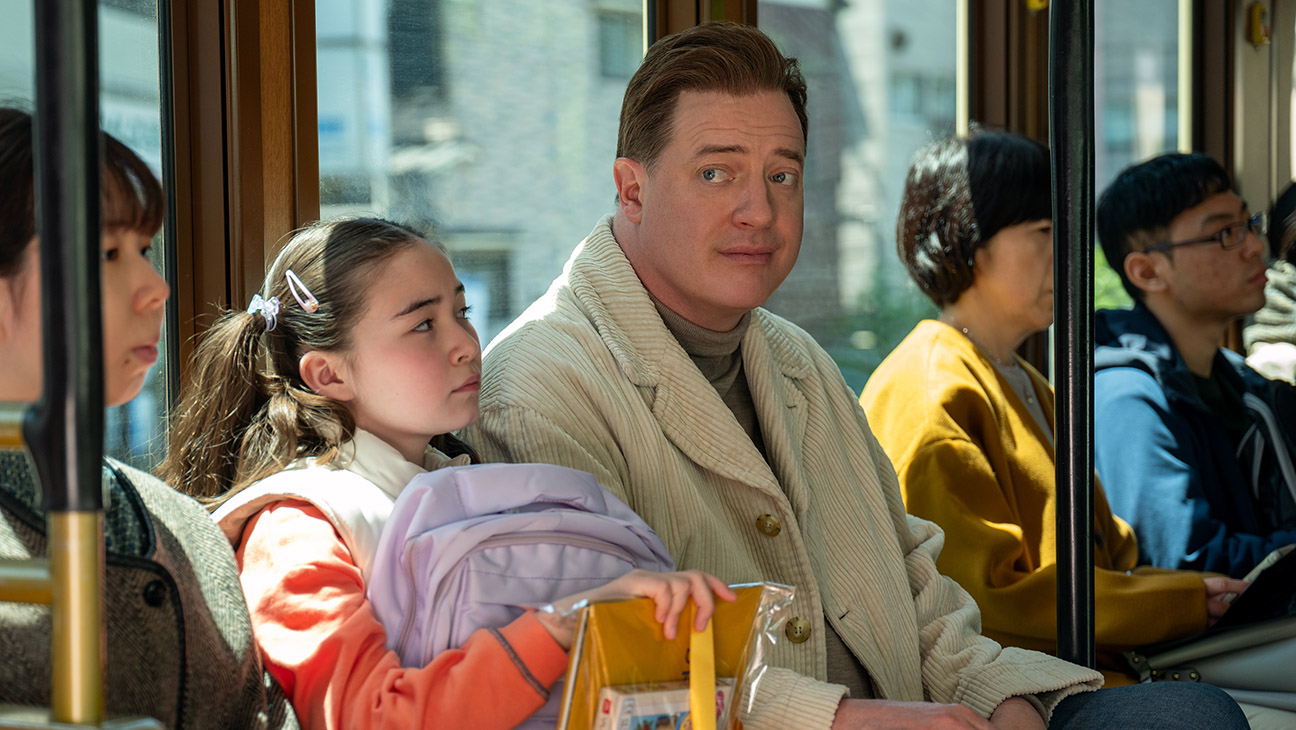
The film’s narrative centers on the relationship between Fraser’s character, Philip, and a young girl named Mia (played by Shannon Gorman), whose mother hires Philip to role-play as her absent father. A pivotal scene unfolds amid the stunning backdrop of Tokyo’s cherry blossoms, which presented its own set of challenges for the crew. The production relied on an app to predict the blooming period, but the timing proved to be off by 15 days, creating significant pressure during filming. “So you can imagine the type of chaos that caused during production,” Vaisman reflected.
Beyond the film’s artistic challenges, the team was struck by Tokyo’s approach to waste management. At the end of lunch breaks, crew members responsibly disposed of leftovers into compost bins and neatly stacked their containers. “It’s one trash bag for a hundred people,” Lebedev noted, emphasizing the cultural commitment to cleanliness and shared responsibility. This daily practice left a lasting impression, reinforcing their understanding of Japanese values.
As the production wraps up, Lebedev and Vaisman are set to continue their collaboration, with plans to tackle a new project featuring George Clooney and Annette Bening. Their experience in Japan has not only shaped their approach to filmmaking but has also deepened their appreciation for the intricate balance between culture and art in the industry.