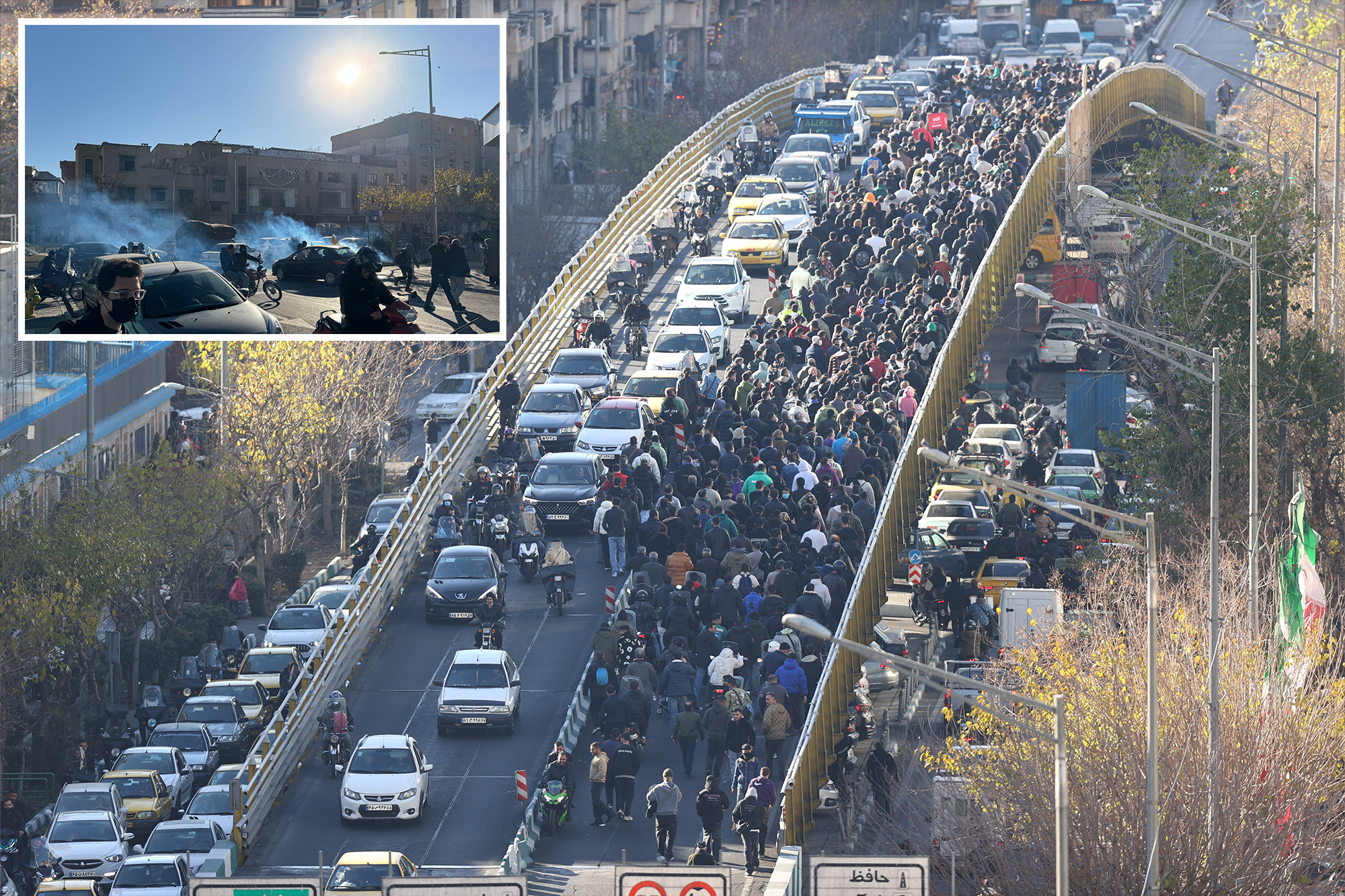
Demonstrations across Iran have intensified as citizens grapple with a severe cost of living crisis, sparked by the dramatic depreciation of the Iranian rial, now valued at approximately 1.4 million Iranian rials for every $1. This economic turmoil has led to widespread protests that began earlier this week, extending from urban centers to rural areas, where the impact has been particularly harsh.
In Tehran, shopkeepers and consumers have expressed their outrage against what they perceive as governmental mismanagement. President Masoud Pezeshkian acknowledged the protests, indicating a willingness to engage in dialogue. However, he conceded that there are significant limitations to what can be done as the rial continues to reach record lows. The economic situation has reached a critical point, with consumer price inflation soaring to 48.6%.
According to reports from Iran International, the price of staple goods has skyrocketed. For instance, the popular Tarom Hashemi rice now costs the average consumer around 4 million rials per kilogram, equivalent to about $3.56 per pound. This price marks an astonishing 230% increase from the previous year. Such inflation has led to a palpable sense of anger among the populace, as highlighted by one shopper in Karaj, who lamented, “[Ayatollah] Ali Khamenei has spent over four decades chasing war, missiles and chanting, ‘Death to this or that.’ Now we can’t even afford rice.”
The protests have escalated to significant proportions, particularly in key marketplaces known as bazaars, where many local residents procure their daily essentials. Demonstrators have disrupted business operations, universities, and government offices nationwide. In a stark reversal of Khamenei’s slogans, protesters have chanted “Death to the dictator,” reflecting their frustration and demands for change.
Despite some decline in protests within Tehran, other regions have witnessed an uptick in violence. Reports indicate that at least three people have died during recent clashes between demonstrators and security personnel. A 21-year-old member of the Revolutionary Guard’s Basij force was reported killed during a protest on Wednesday night, according to the state-run IRNA news agency, which attributed responsibility to the protesters. Deputy governor Saeed Pourali remarked that the protests stem from economic pressures, emphasizing the need for officials to listen to citizens’ concerns.
The Washington-based Abdorrahman Boroumand Center for Human Rights in Iran identified two additional fatalities among protesters at a demonstration in the city of Lordegan. Instead of addressing the economic crises directly, Pezeshkian suggested that foreign interference is a primary cause of the unrest. “Right now, the enemy has placed most of its hopes on knocking us down through economic pressure,” he stated during a business forum in Tehran. He asserted that military force would not conquer Iran, urging unity among citizens to resist external pressures.
As the situation unfolds, the Iranian government faces mounting pressure to resolve the economic challenges confronting its citizens. The ongoing protests serve as a stark reminder of the urgent need for effective governance and economic reform in a nation grappling with profound financial instability.