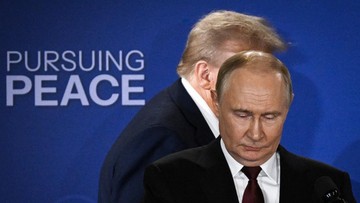
Russian President Vladimir Putin has acknowledged that Russia is beginning to feel the effects of a global energy crisis triggered by the ongoing conflict involving Iran, the United States, and Israel. His remarks highlight increasing concerns about energy supply disruptions as geopolitical tensions escalate.
During a recent address, Putin stated that the war in the Middle East has led to significant fluctuations in energy prices, affecting not only Russia but also countries around the world. He emphasized the importance of energy stability for global economies and suggested that Russia would need to adapt to these new realities.
This acknowledgment comes in the context of rising energy prices that have already impacted various sectors, including manufacturing and transportation. According to reports from the Russian government, the price of crude oil has surged, with Brent crude reaching over $90 per barrel in October 2023. Such increases pose challenges for Russia, which relies heavily on energy exports to sustain its economy.
Global Energy Supply Under Threat
The conflict in the Middle East has raised fears of further supply disruptions. As a result, many countries are scrambling to secure alternative energy sources. Putin noted that Russia is prepared to increase its energy exports to friendly nations in response to these challenges. He highlighted ongoing discussions with countries in Asia and Europe regarding energy supply agreements.
Putin also addressed the potential for increased domestic energy production as a means to mitigate the crisis’s impact. He indicated that investments in energy infrastructure would be necessary to ensure that Russia can meet both domestic and international demands.
In light of these developments, analysts are closely monitoring how the situation will unfold. The potential for further escalation in the Middle East raises questions about long-term energy stability. The urgency of transitioning to alternative energy sources is more pronounced than ever, as countries seek to reduce their reliance on volatile regions.
Future Implications for Russia’s Economy
The implications of this energy crisis extend beyond immediate supply issues. The Russian economy, which has shown signs of vulnerability, could face additional strain if energy prices remain high for an extended period. Economic analysts have warned that continued fluctuations could lead to inflationary pressures and affect consumer spending.
Putin’s government is also under pressure to deliver economic stability amidst these challenges. The timing of his statements suggests a strategic move to reassure both the public and investors about Russia’s resilience in the face of global energy market shifts.
As the world watches how these geopolitical tensions evolve, the focus will remain on energy security and the measures taken by nations to navigate this increasingly complex landscape. The coming months will be crucial in determining the long-term effects of the current energy crisis on both Russia and the global economy.