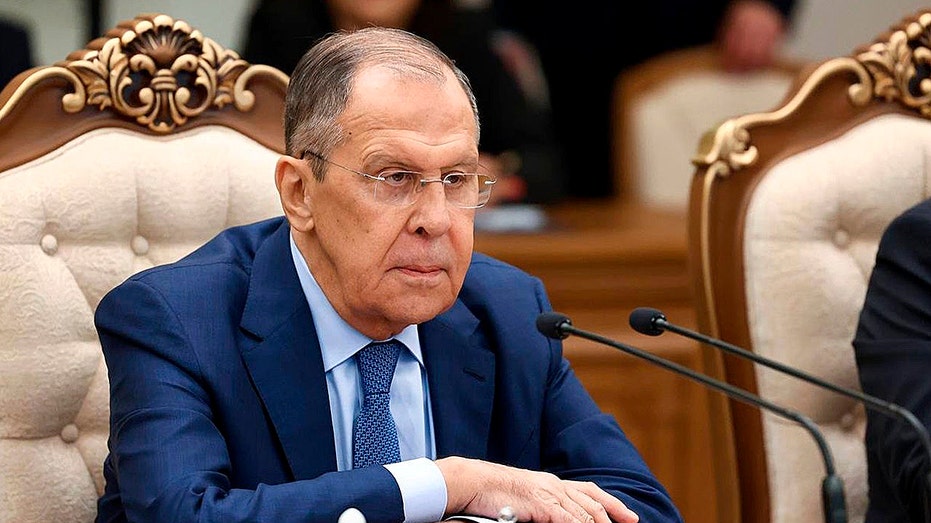
Russia’s Foreign Minister, Sergey Lavrov, indicated that Moscow may reject the latest peace plan proposed by the United States concerning Ukraine if it does not adhere to the agreements made during the August summit in Alaska. Lavrov made these remarks during a press conference on September 19, 2022, highlighting that Russia is awaiting an updated version of the U.S. plan aimed at concluding the ongoing conflict that has persisted for nearly four years.
Lavrov emphasized that if the “key understandings” from the Alaska summit are disregarded, the situation regarding the conflict could shift dramatically. He stated that Russia’s demands remain firm, insisting on Ukraine’s exclusion from NATO and ceding additional territory in the Donbas region as prerequisites for any peace agreement.
The context of these remarks comes as Ukraine has recently agreed to a peace deal, although details are still being finalized, according to a U.S. official. This development is significant given the ongoing military hostilities, which have seen increased violence, including recent attacks on major Ukrainian cities.
Obstacles to Peace Negotiations
Experts have pointed to Russia’s persistent intransigence as a major hurdle in the peace negotiation process. John Hardie, deputy director of the Foundation for Defense of Democracies’ Russia Program, noted that the U.S. has struggled with inconsistent strategies, oscillating between applying pressure on Russia and attempting to impose its conditions on Ukraine.
Hardie remarked, “What we really need is sustained military support for Ukraine, and economic pressure on Russia. Putin has to realize that neither the Ukrainian military nor Western, especially U.S., resolve are going to falter.” This commentary underscores the complexities of international relations and the challenges faced in securing a lasting peace.
Former CIA station chief Dan Hoffman expressed skepticism about the prospects for ending the conflict. He argued that the United States currently lacks sufficient leverage to compel Moscow to halt its invasion. Hoffman stated, “Vladimir Putin’s strategic objective has always been to overthrow the democratically elected government of Ukraine.” He believes that negotiations are merely part of Putin’s strategy to reinforce Russia’s influence in the region.
Recent Developments in Negotiations
In a notable development, U.S. Army Secretary Dan Driscoll held discussions with Russian officials in Abu Dhabi on September 18-19, 2022, focusing on the framework for a potential peace deal. A Ukrainian delegation was also present in Abu Dhabi, engaging with Driscoll and his team.
With the situation continuing to evolve, the international community remains watchful of any breakthroughs that might arise from these negotiations. As both sides navigate the complexities of diplomacy and military strategy, the potential for a peaceful resolution remains uncertain.
The ongoing conflict has had profound human impacts, with civilian casualties rising amid continued military actions. The urgency for a comprehensive agreement is palpable, as families and communities bear the brunt of the violence.
As the situation unfolds, the international community continues to advocate for a resolution that addresses the concerns of all involved parties while aiming for stability in the region. The coming days and weeks will be critical in determining the future of Ukraine and its relationship with Russia and the West.