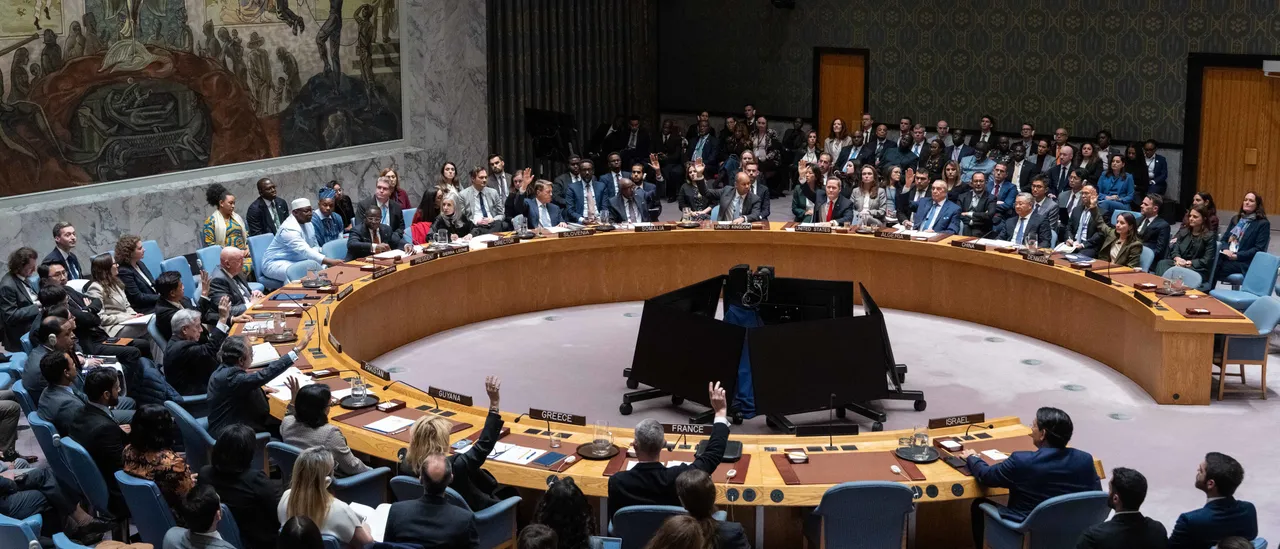
Somalia will take on the presidency of the United Nations (UN) Security Council for one month starting January 2026. This rotation places the Horn of Africa country in a pivotal position within the world’s leading body for international peace and security. The presidency rotates among all 15 Security Council members in accordance with Rule 18 of the council’s Provisional Rules of Procedure, which mandates that member nations assume the role in English alphabetical order.
Currently, Somalia serves as a non-permanent member of the council, a term that will run until December 31, 2027. As president, Somalia will be responsible for setting meeting agendas, leading key sessions, and steering debates on matters of global significance. While this role carries weight, it is primarily procedural and does not extend additional authority beyond the established framework of the council.
Focus on African Security Priorities
During its presidency, Somalia is expected to leverage its position to highlight pressing African security issues. Key topics likely to be addressed include peacekeeping operations, counterterrorism initiatives, and the humanitarian crises exacerbated by conflict and climate change in the region. The appointment comes at a critical juncture as Somalia continues to combat Al-Shabaab, an affiliate of al-Qaeda that exerts control over significant parts of the country.
According to reports from Garowe Online, the Somali government in Mogadishu relies heavily on international support and foreign peacekeepers to uphold security within the capital. Critics have pointed out the stark contrast between Somalia’s ongoing internal instability and its role in global security discussions. Yet, the UN’s rotation system has been in place since 1946, ensuring that all council members take their turn at the presidency, irrespective of their domestic situations.
Current Presidency and Future Outlook
As of December 2025, Slovenia holds the presidency of the Security Council, with the United Kingdom set to follow Somalia in February 2026. The transition of leadership within the council underscores the established protocol that prioritizes a systematic approach to international governance.
Somalia’s presidency presents an opportunity for the nation to influence the global dialogue on security, despite the challenges it faces at home. The spotlight on Somalia may encourage increased international engagement and support for its ongoing struggles, especially regarding the fight against terrorism and humanitarian crises.
As the world watches, Somalia’s leadership in the UN Security Council will be a testament to the complexities of international diplomacy and the importance of collaborative efforts in addressing global security challenges.