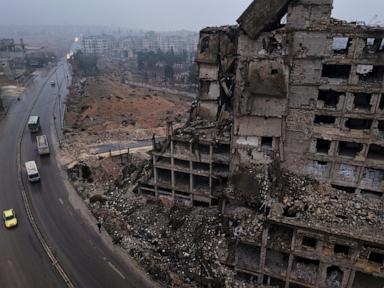
The Syrian army has officially designated an area east of Aleppo as a “closed military zone,” escalating tensions with the Kurdish-led Syrian Democratic Forces (SDF). This declaration comes following a week of clashes in Aleppo that resulted in the displacement of tens of thousands of residents. The hostilities culminated in the evacuation of Kurdish fighters from the contested neighborhood of Sheikh Maqsoud over the weekend.
According to state news agency SANA, the Syrian army’s decision was prompted by what they described as “continued mobilization” by the SDF in towns such as Maskana and Deir Hafer, located approximately 60 kilometers (37 miles) east of Aleppo. The SDF has denied these accusations, claiming no such buildup is occurring. The Syrian army also cited concerns that the area serves as a launch point for Iranian drone operations targeting Aleppo.
On Saturday, a drone strike hit the Aleppo governorate building just after a press conference featuring two cabinet ministers and a local official. The SDF refuted claims of involvement in the attack, further complicating the ongoing tensions. In a statement, the Syrian army urged armed groups to retreat to positions east of the Euphrates River.
Political Context and Historical Tensions
The situation in Aleppo unfolds against a backdrop of stalled political negotiations between the central Syrian government and the SDF. The leadership in Damascus, under interim President Ahmad al-Sharaa, signed an agreement in March for the SDF to integrate with the Syrian army by the end of 2025. Disagreements have arisen over the details of this merger.
The SDF has been a crucial U.S. ally in the fight against the Islamic State group but faces criticism from Turkey, which labels the SDF a terrorist organization due to its ties with the Kurdistan Workers’ Party (PKK). The PKK has long been involved in an insurgency against the Turkish state.
Despite the U.S. support for the SDF, the previous administration under Donald Trump has sought to strengthen ties with al-Sharaa’s government and has urged the Kurdish forces to adhere to the terms of the March agreement. This geopolitical dynamic adds another layer of complexity to the already fraught relationship between the Syrian government and Kurdish forces.
Media Developments and Public Response
In the realm of media, Shams TV, based in Irbil, Iraq’s semi-autonomous Kurdish region, had planned to air an interview with al-Sharaa on Monday. However, the broadcast was postponed due to unspecified “technical” issues, raising questions about the ongoing media narrative surrounding these developments.
The situation in Aleppo remains fluid, with both humanitarian and strategic implications for the region. As the Syrian army enforces its military zone, the potential for further conflict looms, emphasizing the need for renewed dialogue and understanding among the involved parties. The coming weeks will be critical in determining the trajectory of both military and political developments in this historically volatile region.