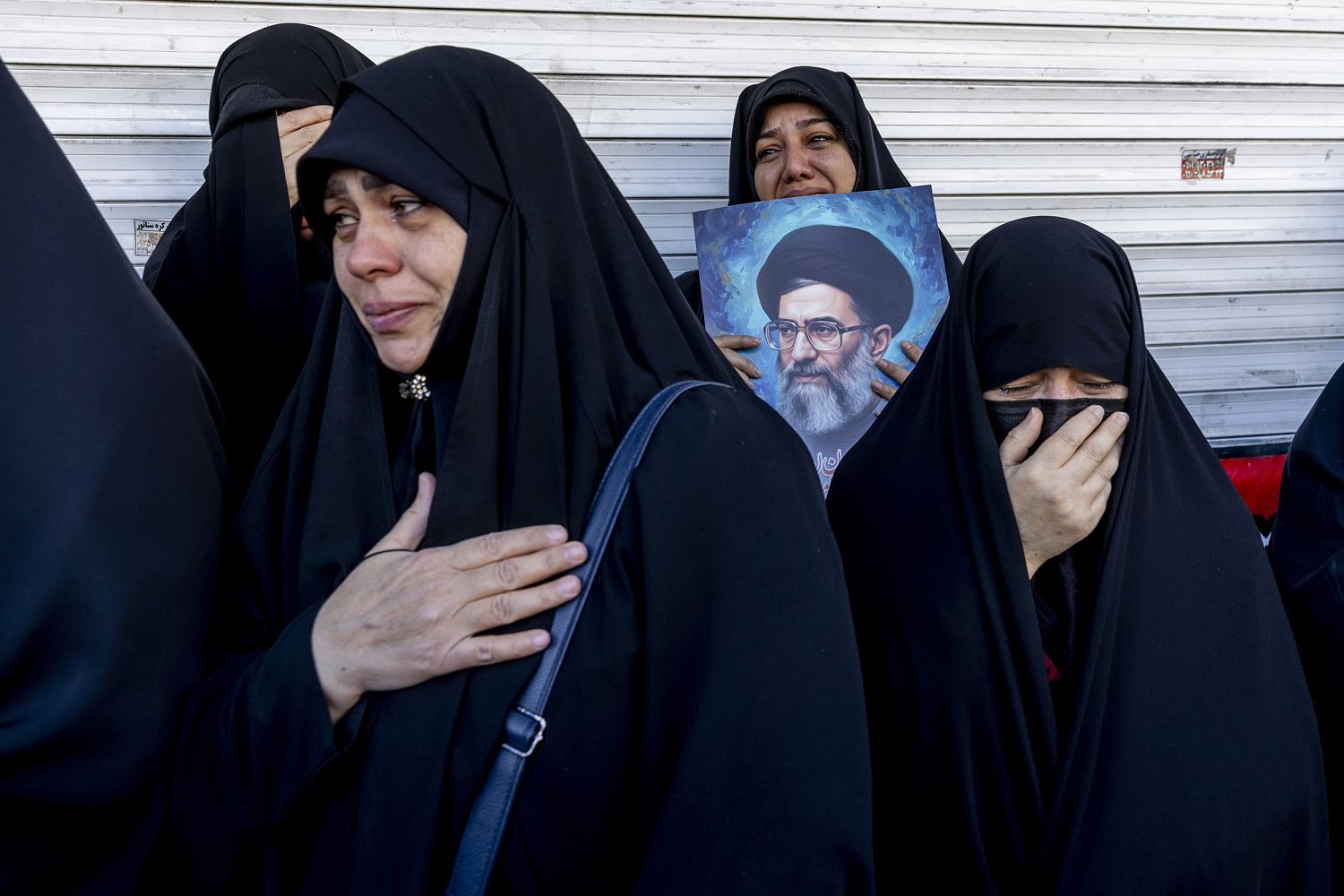
The Iranian capital, Tehran, woke up on February 23, 2024, to a profound shift in its political landscape following the death of Supreme Leader Ayatollah Ali Khamenei. Khamenei was killed in a series of joint airstrikes carried out by the United States and Israel, marking the first time in 37 years that Iran finds itself without a designated leader.
The streets of Tehran were noticeably quieter than usual as citizens began to process the news. While many expressed sorrow over the passing of the country’s long-standing leader, others engaged in muted celebrations, viewing the event as a potential turning point in Iran’s political dynamics. The duality of reactions reflected the deep divisions within Iranian society, where support for Khamenei and the regime has waned in recent years.
As the Iranian public navigates this moment, opposition groups are poised to capitalize on the uncertainty. Activists and dissidents, long suppressed under Khamenei’s regime, are considering their next steps in what they hope will be a pivotal opportunity to advocate for change. The absence of a clear successor adds to the intrigue and speculation surrounding the future of Iran’s governance.
International reactions have been swift, with world leaders monitoring the situation closely. Analysts are examining the potential implications of Khamenei’s death on regional stability and the ongoing tensions in the Middle East. The U.S. and Israeli governments have not publicly commented on the airstrikes but have previously expressed their commitment to countering Iranian influence in the region.
In the wake of this significant event, questions arise about the future leadership of Iran. Khamenei’s passing raises the possibility of a power vacuum that could prompt both internal strife and shifts in foreign policy. Observers are particularly concerned about how this might affect Iran’s nuclear ambitions and its relationships with global powers.
As the day unfolds, the Iranian public faces a blend of grief and hope, reflecting on a legacy of leadership that has shaped the nation for decades. The coming weeks will likely reveal whether Khamenei’s death catalyzes a new chapter for Iran or leads to further instability in a nation already grappling with economic hardship and political dissent.