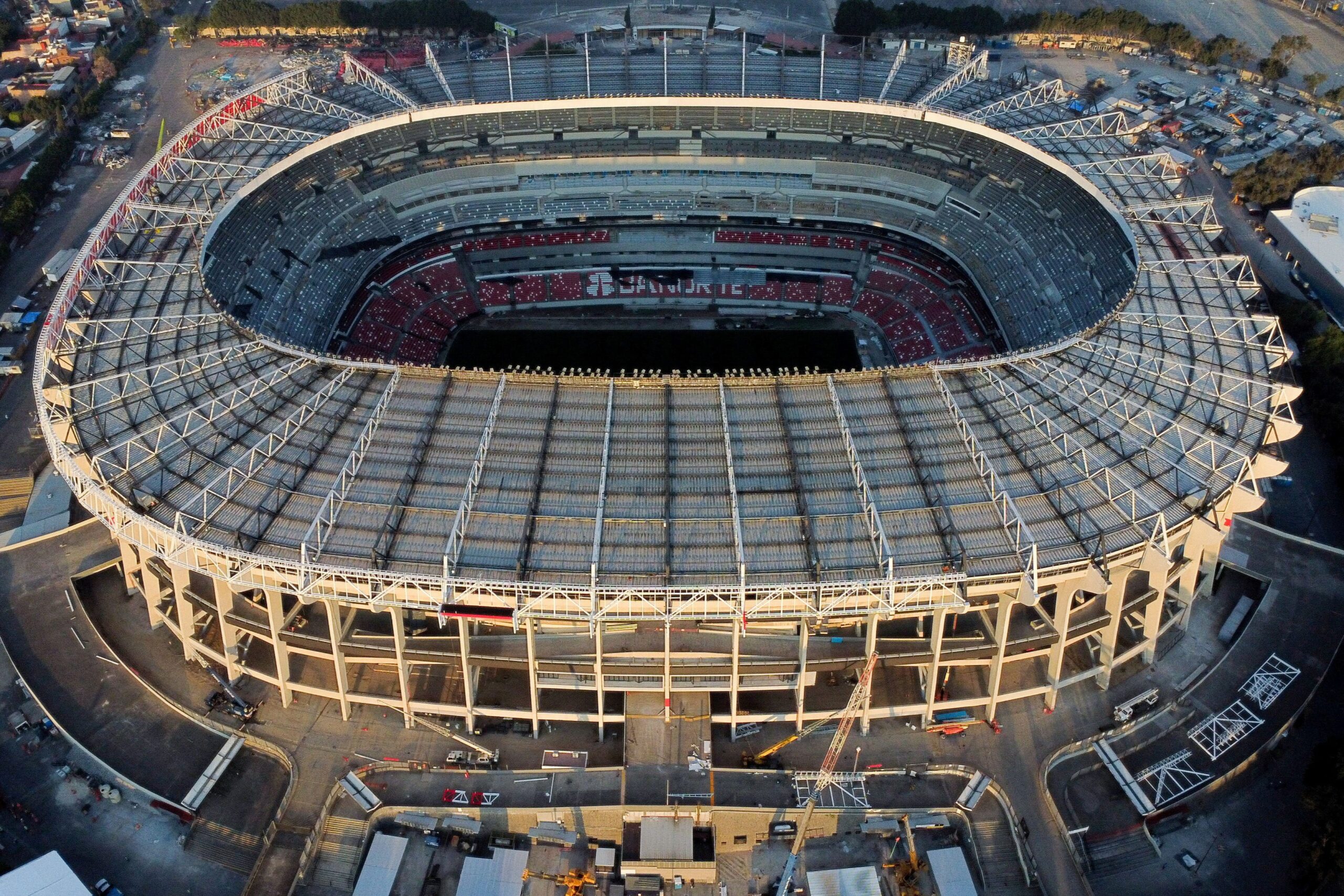
As the countdown to the 2026 World Cup intensifies, ticket demand is skyrocketing, with less than 100 days until the tournament begins. The event, which will be hosted across the United States, Mexico, and Canada, has seen nearly two million tickets sold in its initial sales phases. However, escalating prices and geopolitical tensions have raised concerns among fans.
The ongoing military actions involving the United States and Iran, along with recent violence near Guadalajara following the death of a notorious cartel leader, are contributing to unease among potential attendees. German soccer fan Tom Roeder expressed his worries, stating, “I’m afraid I might not be allowed into the country. I’ve decided to fly to Canada at most, but not to the USA.” He hopes that the current tensions do not escalate in a way that could personally affect fans traveling to North America.
FIFA President Gianni Infantino reported that demand for tickets has been unprecedented, with over 500 million requests for the limited six to seven million tickets available. “We’ll have seven million people in the stadiums,” Infantino stated in a video marking the 100-day countdown. He reassured fans that additional tickets would be available during the last sales phase, set to begin in April.
Political and Social Concerns
The political climate surrounding World Cup host nations is a familiar theme. Claudia Sheinbaum, President of Mexico, assured fans that there is “no risk” in traveling to the country. Meanwhile, Adrian Nunez Corte, leader of the Spanish fans’ association Unipes, acknowledged the concerns but noted that it has not significantly deterred ticket purchases. “Some Spanish fans living in the area have helped to calm things down after the initial hours of alarm,” Corte added.
Despite the prevailing worries, fans are still committed to attending, with many taking visa preparation seriously to avoid immigration issues, particularly since some matches will take place across the U.S. and Mexico.
High Ticket Prices and Market Dynamics
The excitement surrounding the tournament is tempered by the steep ticket prices, which have become a significant barrier for many supporters. Michael Edgley, director at Australia’s Green and Gold Army Travel, noted that the demand for the 2026 World Cup is the strongest he has ever encountered. He predicts that FIFA will achieve record revenue from ticket sales, benefiting football federations worldwide.
Yet, the geography of the event adds complexity, with matches spread across 16 cities. This makes it more challenging and costly for fans to follow their teams. Corte explained that the price of tickets has been a “major drawback,” impacting the number of matches fans can attend.
The situation is exacerbated by a thriving secondary market where tickets are often sold at inflated prices. This practice is legal in both the United States and Canada. FIFA defended its stance on the secondary market, stating that its not-for-profit model ensures that revenue generated is reinvested into the development of football globally. “FIFA expects to reinvest more than 90% of its budgeted investment for the 2023-2026 cycle back into the game,” a spokesperson mentioned.
For some fan associations, the financial strain is evident. Mehdi Salem, vice-president of the French football fans association Les Baroudeurs du Sport, reported a staggering 200% price increase compared to the last World Cup. This significant rise has led to a sharp decline in attendance from his association, with only 100 out of 400 members planning to attend, a situation Salem attributes to both ticket prices and the political climate in the United States. “We feel like this World Cup will not really be a people’s World Cup, but rather an elitist World Cup,” he remarked.
As the tournament approaches, the intersection of excitement, concern, and financial realities paints a complex picture for fans eager to experience one of the world’s premier sporting events. With ticket sales continuing and future phases on the horizon, the World Cup remains a focal point for football enthusiasts globally, despite the challenges that lie ahead.