Tourist hotspots across the globe are grappling with increasing anti-tourism sentiments as local residents voice their frustrations over the impacts of mass tourism. In several countries, including Spain, Japan, and Turkey, protests and new regulations reflect a growing divide between economic benefits and resident quality of life.
Spain’s Anti-Tourism Movement Gains Momentum
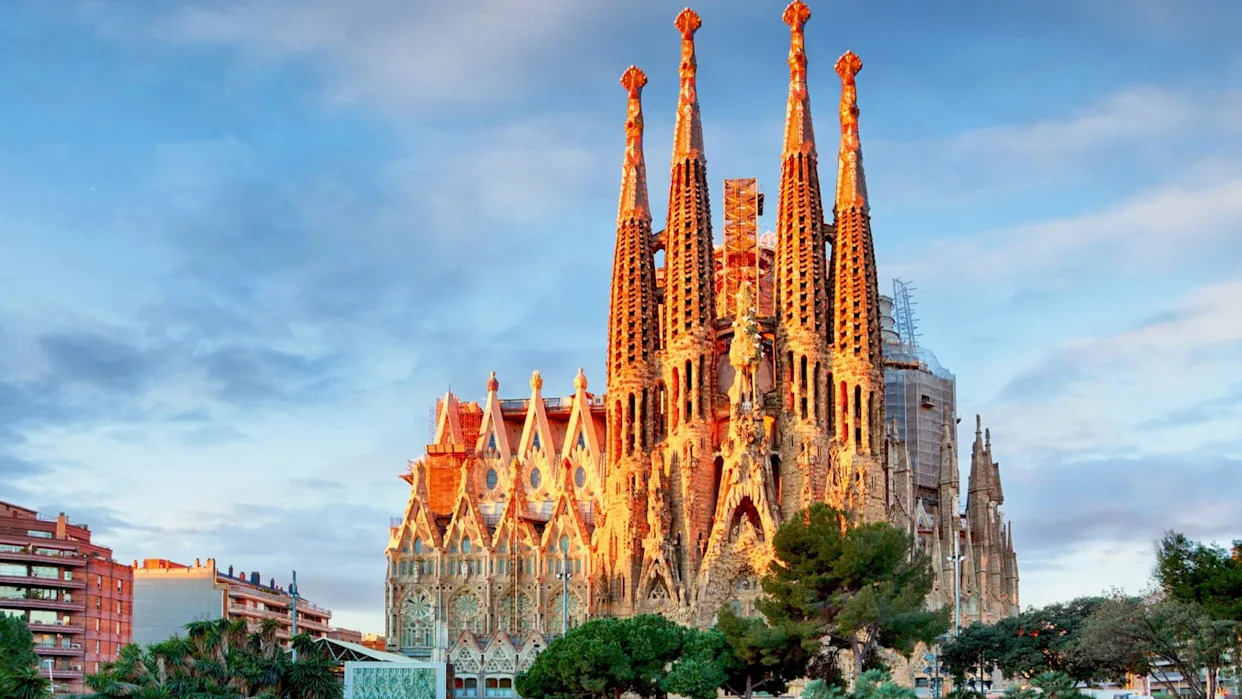
In July 2024, thousands gathered in Barcelona’s La Rambla to protest against overtourism. Many carried signs proclaiming “Tourism kills the city” and “Tourists go home, you are not welcome.” Some demonstrators even used water pistols to spray tourists dining at local establishments, prompting them to leave. Spain welcomed approximately 42.5 million tourists in the first half of 2024, an increase of 11.5% from 2019 and 13.3% from 2023. This surge has strained local infrastructure and escalated housing costs, leading to unrest not only in Barcelona but also in other regions like Cadiz and Lanzarote.
Amsterdam’s Government-Led Campaign to Deter Unruly Tourists
Meanwhile, in Amsterdam, the city government has taken a proactive approach to combat anti-tourism sentiment. An online campaign titled “Stay Away” targets British tourists seeking party weekends, showcasing videos of young men being arrested for public misbehavior. Despite evidence that the campaign has not significantly deterred British visitors, Amsterdam intensified efforts in March 2024 by launching an online survey titled Amsterdam Rules.
Japan Struggles with Record Tourism Numbers
Japan is experiencing its own challenges with overtourism. In 2024, the country recorded approximately 36.87 million international visitors, a staggering 47.1% increase from the previous year. Data from the Japan National Tourism Organization (JNTO) indicates that South Korea, China, Taiwan, and Hong Kong accounted for 1.99 million of 3.3 million tourists in October alone. Newly elected Kyoto Mayor Koji Muramasa has taken a stand against overtourism, implementing a ban on tourists entering private alleys in Gion after residents expressed concerns that their neighborhood was being treated like a “theme park.”
Venice Implements Tourist Fees
Venice, another city facing the challenges of mass tourism, introduced a €5 fee for day-trippers in April 2024. Protesters took to the streets with banners reading “Welcome to Veniceland” and “No to the ticket.” The city has become a symbol of overtourism issues in Europe, especially after banning cruise ships from docking in the city center in 2021.
Turkey Faces Political Unrest
Political unrest in Turkey is also causing potential disruptions for tourists. Protests have spread throughout the country, with Istanbul at the center of the unrest. Travel restrictions are now in place as demonstrations continue, some of which have turned violent. According to a 2024 UNHCR survey, 77% of respondents in Turkey supported closing the border to refugees, highlighting the country’s complex socio-political climate.
Croatia Takes Action Against Tourist Misconduct
In Croatia, the coastal city of Split has begun to impose fines for antisocial tourist behavior. Visitors are now warned of potential €300 fines for actions such as public urination, climbing on monuments, or sleeping in public areas. While these measures may not be as severe as in other destinations, they indicate a rising frustration with disrespectful tourist conduct towards local heritage sites.
Global Perceptions of Hospitality in Challenging Conditions
Despite its rich cultural heritage and stunning landscapes, Iran faces challenges in attracting tourists due to its political climate. Strained relations with Western nations contribute to a perception of unwelcomeness, although many individual Iranians are known for their hospitality. Political tensions and the potential for unrest can deter visitors from experiencing the country’s unique offerings.
North Korea presents a different kind of challenge for potential tourists. The country’s strict controls and surveillance create an environment where visitors may feel uneasy about their ability to leave once they enter. Currently, U.S. citizens are prohibited from traveling there following the incident involving Otto Warmbier.
Finally, Russia’s rich history and cultural attractions are overshadowed by bureaucratic hurdles and geopolitical tensions. Stringent visa requirements, coupled with a political climate often at odds with Western nations, complicate travel for many international visitors.
The global tourism landscape has transformed significantly in recent years. Once-warm welcomes have given way to rising tensions between the economic necessity of tourism and the real concerns of local residents. The experiences in these nine countries illustrate a broader shift in how popular destinations navigate the delicate balance between attracting visitors and preserving community well-being.