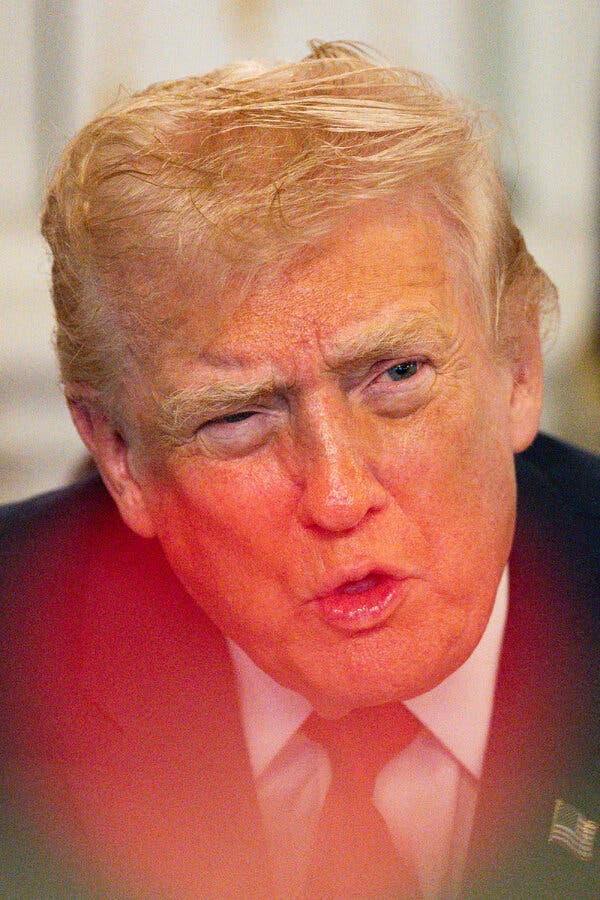
The recent shooting of two National Guard members by an Afghan national near the White House has prompted a strong reaction from President Donald Trump. This incident, which occurred on a Washington street corner, has intensified Trump’s focus on his anti-immigration agenda. In a series of statements issued in the days following the shooting, he framed the event as a confirmation of his long-standing warnings regarding immigration and the need for stricter policies.
In a late-night social media post on Thanksgiving, Trump vowed to “permanently pause migration from all Third World Countries.” He further threatened to revoke U.S. citizenship from naturalized migrants he claims threaten domestic tranquility. Additionally, Trump announced plans to eliminate all federal benefits and subsidies for noncitizens and to deport individuals deemed “non-compatible with Western Civilization.”
These statements came shortly after Trump directed his administration to review the status of green card holders from 19 nations currently under a travel ban. While Trump’s rhetoric has escalated, questions remain about the legal authority he possesses to enforce these demands.
Under U.S. federal law, denaturalization of citizens typically requires proof that the individual concealed material facts or misrepresented themselves during the citizenship process. This legal framework raises challenges for Trump’s proposals, as implementing them could face significant hurdles.
As the political landscape evolves, the incident has reignited discussions about immigration policy and national security. Trump’s administration’s approach to immigration has often been a contentious topic, and the shooting has provided him with a platform to amplify his calls for reform.
The ongoing debate over immigration is likely to gain momentum as the 2024 presidential election approaches. Trump’s statements serve as a reminder of the divisive nature of the issue, with implications for both policy and public sentiment in the United States.
As the situation develops, it remains to be seen how Trump’s administration will navigate the complexities of immigration law and the broader impact of his policies on American society.