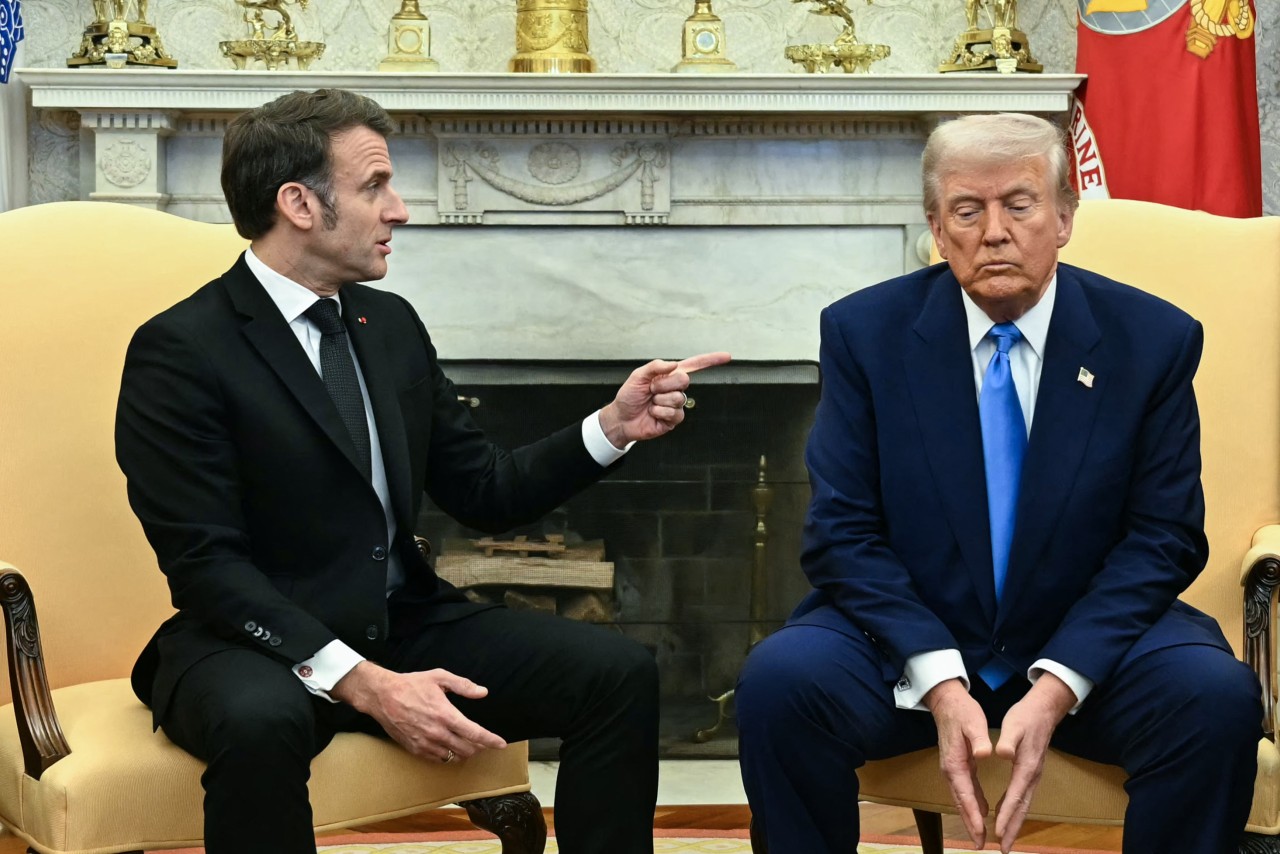
The President of the United States, Donald Trump, has threatened to impose tariffs of up to 200% on French wines. This bold move aims to pressure French President Emmanuel Macron into taking a more active role in addressing the ongoing situation in Gaza. The announcement comes amidst rising tensions surrounding international responses to the conflict.
Trump’s remarks reflect his administration’s increasing frustration with European leaders regarding their involvement in the Gaza crisis. He stated that the high tariffs could be a necessary step if France does not engage constructively in discussions aimed at resolving the conflict. This potential trade measure has raised eyebrows in the global business community, as French wines represent a significant export industry.
In addition to the tariffs on wine, Trump reiterated his longstanding interest in acquiring Greenland, claiming that neither Europe nor Denmark could adequately protect the Arctic territory. His comments come as part of a broader dialogue on Arctic security, emphasizing the United States’ strategic interests in the region.
Trump’s administration has been vocal about its dissatisfaction with European contributions to international security issues. In recent weeks, this discontent has spilled over into trade discussions, prompting the President to consider measures that could directly impact European economies.
The proposal to raise tariffs on French wines is particularly notable for its potential economic ramifications. France is one of the largest producers of wine in the world, with exports valued at approximately $12 billion annually. A tariff increase of this magnitude would likely lead to significant price hikes for consumers and could strain diplomatic relations between the U.S. and France.
Trump’s comments about Greenland highlight a unique aspect of his foreign policy approach. He has previously expressed interest in acquiring the territory, which is known for its vast natural resources and strategic location. The U.S. President’s assertion that Europe cannot protect Greenland underscores his administration’s focus on bolstering American influence in the Arctic region.
As the situation unfolds, both French and U.S. officials will need to navigate these complex diplomatic waters. The potential tariffs could serve as a catalyst for renewed discussions between Washington and Paris regarding their roles in international conflicts and trade relations.
In conclusion, Trump’s threats of 200% tariffs on French wines mark a significant escalation in U.S.-France trade relations. Coupled with his comments on Greenland, these developments reflect a broader strategy aimed at reshaping international alliances and asserting U.S. interests on the global stage. The implications for both countries could be profound, affecting not only trade but also diplomatic relations moving forward.