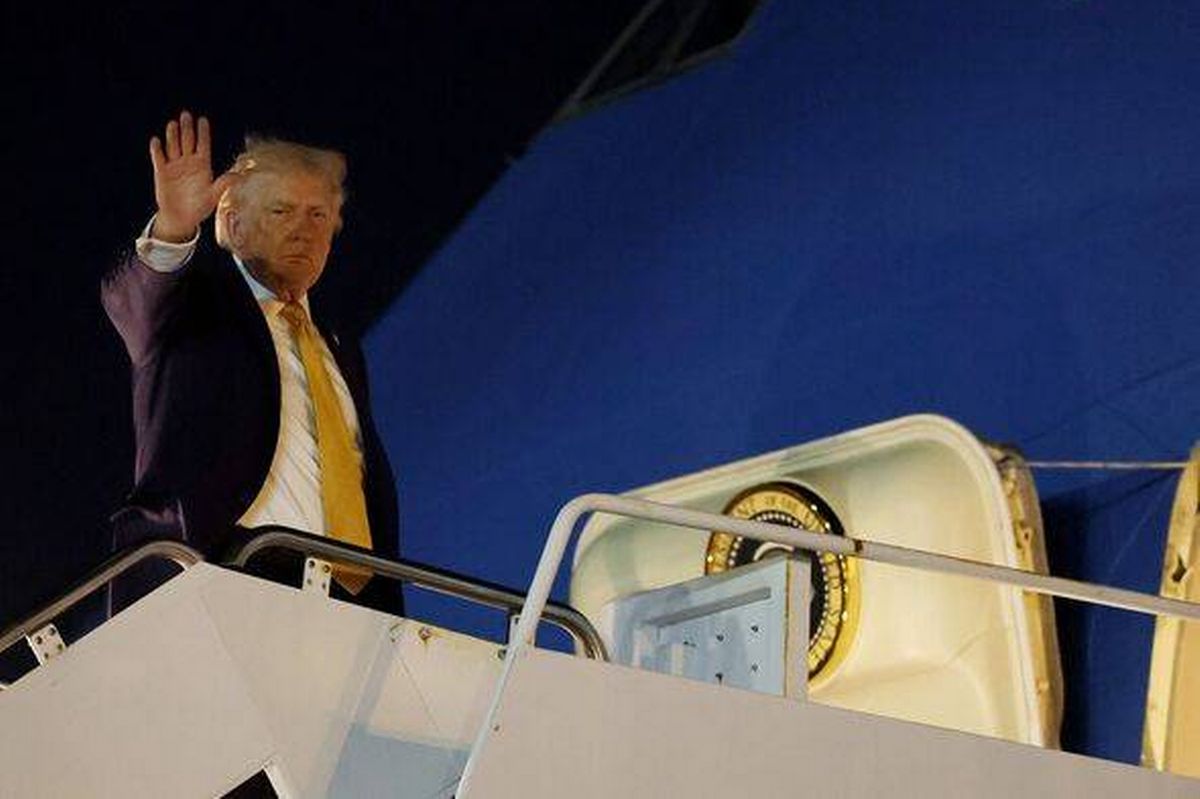
The recent capture of Venezuelan leader Nicolás Maduro has escalated tensions surrounding Greenland, a territory President Donald Trump has previously aimed to incorporate into the United States. As Trump returned to Washington, D.C. from Florida aboard Air Force One, he shared insights into the U.S. mission that led to Maduro’s arrest and hinted at broader geopolitical ambitions, stating, “Don’t ask me who’s in charge because I’ll give you an answer and it’ll be very controversial.”
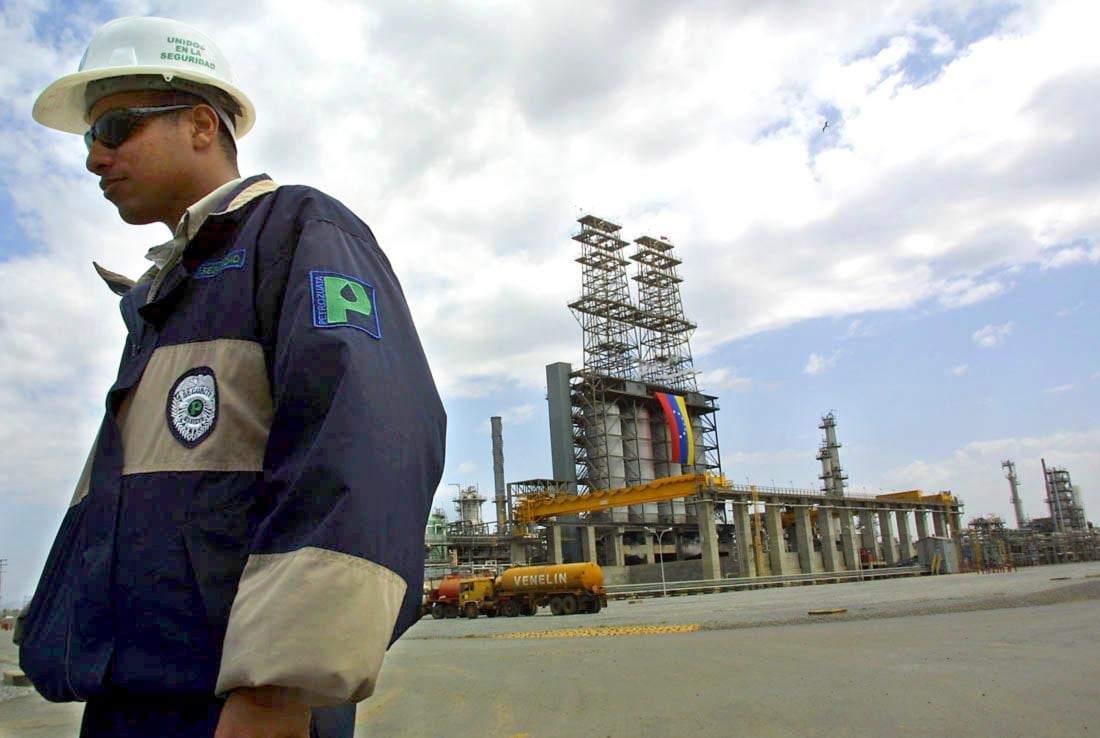
During the flight, Trump expressed frustration over oil resources, claiming, “They took our oil away from us,” and suggested that reopening an American embassy in Caracas was under consideration. On the social media platform X, he further elaborated on his strategic vision for the region, asserting, “We’re in the business of having countries around us that are viable and successful.”
The context surrounding Maduro’s arrest raised immediate concerns about the U.S. intentions toward Greenland. Trump’s comments about the territory, which he has called vital for U.S. security, prompted reactions from both Danish and Greenlandic officials. Shortly after the Venezuelan leader’s capture, Katie Miller, spouse of Trump’s Deputy Chief of Staff, shared a controversial post suggesting a possible U.S. claim to Greenland, which incited a backlash from the region.
Denmark Responds to Potential Threats
Danish Ambassador to the U.S., Jesper Moller Sorensen, responded to Miller’s provocative message by reaffirming the security partnership between the U.S. and Denmark. He emphasized the importance of mutual respect, stating, “Greenland is already part of NATO. The Kingdom of Denmark and the United States work together to ensure security in the Arctic.” Sorensen highlighted Denmark’s significant investment in Arctic defense, pledging $13.7 billion in 2025 to bolster operations in the region.
Danish Prime Minister Mette Frederiksen echoed these sentiments and announced plans to strengthen Denmark’s military capabilities in light of Trump’s remarks. In her New Year’s address, Frederiksen condemned Trump’s continued threats, declaring, “We will stand firm on what is right and wrong.” She stated that Denmark is enhancing its defense measures rapidly and noted, “Never before have we increased our military strength so significantly, so quickly.”
Frederiksen’s remarks underscored the serious implications of Trump’s comments about Greenland, emphasizing the need for Denmark to take on its responsibilities in the face of potential aggression. She warned that allowing one country to fall could pave the way for further advances by Russia into Europe.
Aftermath of the Venezuelan Operation
The operation that led to Maduro’s arrest has drawn scrutiny not only for its implications in Venezuela but also for its potential ripple effects in the Arctic. Reports indicate that approximately 40 civilians and military personnel were killed in the U.S. strike that captured Maduro. While U.S. forces reported no casualties, there were injuries among personnel, all of whom are currently in stable condition.
The capture of Maduro, who has been accused of flooding the U.S. with drugs and gang members, marks a significant moment in U.S.-Venezuela relations. Following the operation, Maduro and his wife were transported to Manhattan, having made prior stops in Puerto Rico and upstate New York.
As diplomatic tensions simmer, the international community is closely watching the developments regarding Greenland and its strategic importance. The recent events have ignited discussions about territorial integrity and the future of U.S.-Danish relations, highlighting the delicate balance between defense interests and national sovereignty.