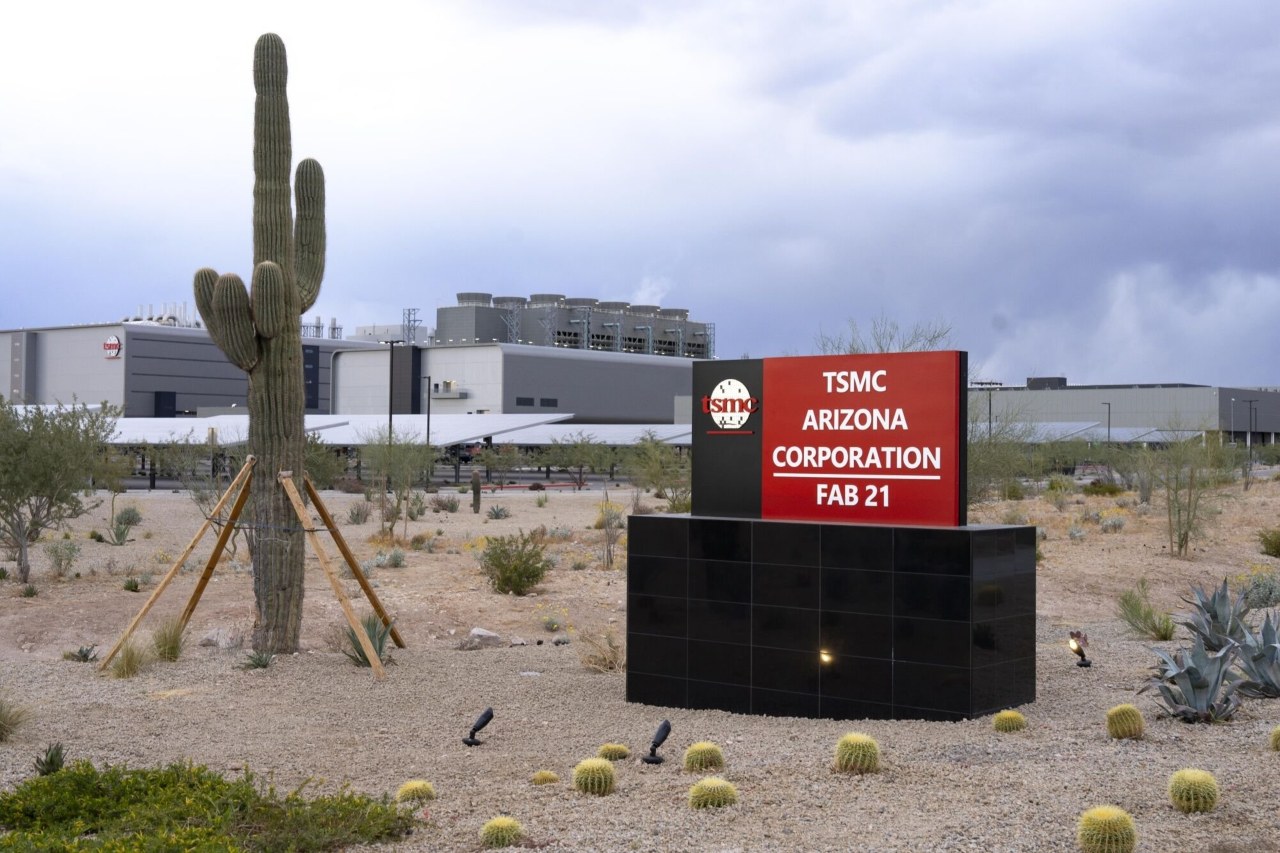
Taiwan Semiconductor Manufacturing Company (TSMC), the world’s largest contract chip maker, is significantly expanding its operations in the United States. This strategic move comes as TSMC seeks to enhance its global footprint while addressing both business and geopolitical concerns. The company plans to invest approximately $40 billion in new facilities, underscoring its commitment to bolstering its supply chain and reducing reliance on Taiwan.
In recent years, TSMC has served as a crucial player in the semiconductor industry, often described as providing a “Silicon Shield” for Taiwan. This term reflects its role in boosting Taiwan’s economy and technological prowess. However, rising geopolitical tensions in the region have prompted the company to reassess its operational strategies. As a result, TSMC is now focusing on expanding its presence in the United States, which is perceived as a more stable environment for long-term investment.
The Taiwanese firm will establish a new facility in Arizona, which is set to begin production in 2024. This facility is expected to create thousands of jobs and further integrate TSMC into the U.S. technology ecosystem. The move aligns with the Biden administration’s goal of increasing domestic semiconductor manufacturing and reducing reliance on foreign suppliers, particularly amid concerns about supply chain vulnerabilities.
TSMC’s decision to invest heavily in the U.S. comes at a time when the semiconductor industry faces unprecedented challenges. According to a report by the U.S. Semiconductor Industry Association, the global semiconductor market is projected to reach a record high of $1 trillion by 2030. However, the industry has also experienced significant disruptions, particularly due to the COVID-19 pandemic and geopolitical tensions between the U.S. and China.
In addition to the Arizona facility, TSMC is also exploring opportunities to collaborate with U.S. tech giants and research institutions. The company aims to leverage American innovation while ensuring that it remains a key player in the competitive landscape of the semiconductor industry.
According to Mark Liu, chairman of TSMC, the decision to go big in the U.S. reflects a dual purpose: securing the company’s supply chain and addressing the increasing demand for advanced chips across various sectors, including automotive, telecommunications, and consumer electronics. Liu emphasized the importance of diversifying production locations to mitigate risks associated with geopolitical instability.
While TSMC’s expansion is a significant step forward for the company, it also raises questions about the future of semiconductor manufacturing in Taiwan. The island remains a global leader in chip production, but increasing investments abroad may alter its dominance in the field. TSMC’s commitment to maintaining a robust presence in Taiwan suggests that the company still views its home base as vital for research and development.
The geopolitical landscape surrounding semiconductor manufacturing is complex, particularly with the rise of China’s own semiconductor ambitions through companies like Semiconductor Manufacturing International Corporation (SMIC). TSMC’s expansion into the U.S. may serve as a countermeasure to this growing competition, allowing it to maintain its leadership position in the global market.
As TSMC embarks on this ambitious plan, the implications for both Taiwan and the United States will be closely monitored. The company’s investments not only reflect its strategic vision but also signal a broader trend in the industry toward regional diversification. The move may ultimately reshape the dynamics of global semiconductor production, ensuring that both nations play pivotal roles in the future of technology.
With the semiconductor industry projected to continue its rapid growth, TSMC’s expansion in the U.S. represents a crucial pivot point for the company and the global technology landscape.