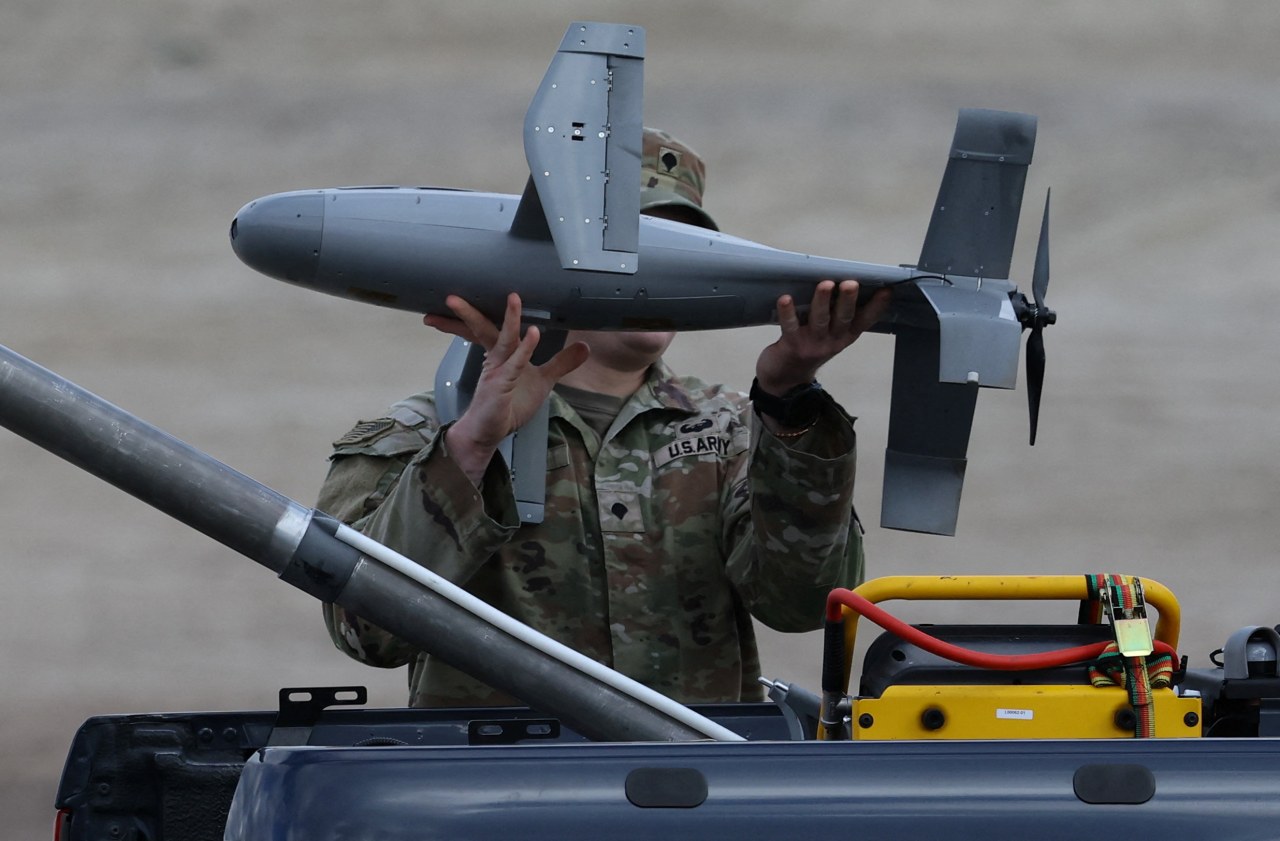
The U.S. Army has begun deploying advanced drones to assist Ukraine in countering the threat posed by Iranian drones, which have been increasingly used in the ongoing conflict with Russia. These drones, known as Merops, are produced by a company owned by Eric Schmidt, the former CEO of Google. The initiative comes as Ukrainian forces continue to face challenges from Iranian-made Shahed drones employed by Russian troops.
The decision to send the Merops drones was influenced by their effectiveness observed in the field. Ukraine’s military has reported significant success using these drones to intercept and neutralize threats from Shahed attacks. The Merops drones are equipped with advanced technology that enhances their operational capabilities, making them a valuable asset in the ongoing conflict.
Strategic Importance of Drones in Modern Warfare
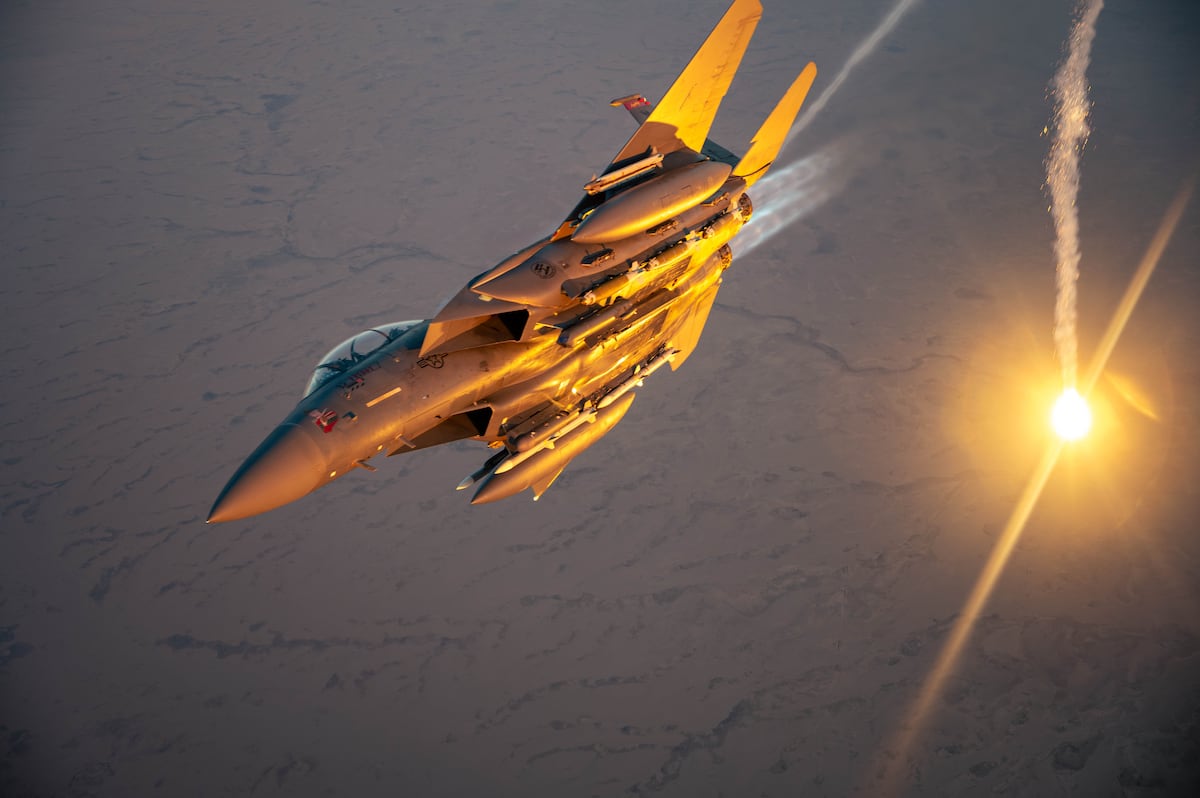
Drones have become a pivotal element in modern warfare, providing real-time intelligence and precision strikes. The U.S. Army’s deployment of Merops drones is a clear indication of the strategic shift towards unmanned aerial systems in combat scenarios. These drones can operate in challenging environments, allowing Ukrainian forces to adapt to the evolving battlefield.
According to military analysts, the addition of the Merops drones could significantly enhance Ukraine’s defensive and offensive operations against Russian forces. The use of advanced drone technology allows for greater situational awareness and the ability to respond swiftly to emerging threats. This is particularly crucial in a conflict where both parties are relying heavily on aerial capabilities.
Background on Iranian Drone Usage
Iran’s use of drones in the conflict has raised international concerns, as these unmanned systems have been linked to the escalation of hostilities in the region. The Shahed drones, in particular, have gained notoriety for their effectiveness in striking military and civilian targets. Their deployment by Russian forces has prompted Ukraine to seek assistance from allies, leading to the U.S. Army’s involvement.
The Merops drones represent a countermeasure to this escalating threat. By providing Ukraine with these advanced systems, the U.S. aims to bolster Ukraine’s defense capabilities and deter further aggression from Russian and Iranian forces. The collaboration underscores the importance of international support in addressing security challenges in Eastern Europe.
As the conflict continues to unfold, the implications of drone warfare will likely shape military strategies for years to come. The U.S. Army’s proactive approach in supplying Ukraine with the necessary tools to combat aerial threats reflects a broader commitment to maintaining stability in the region.
In summary, the deployment of Merops drones by the U.S. Army is a strategic move aimed at empowering Ukraine’s defenses against the increasing use of Iranian drones in the conflict. With ongoing developments, the effectiveness of these drones will be closely monitored as they enter the battlefield.