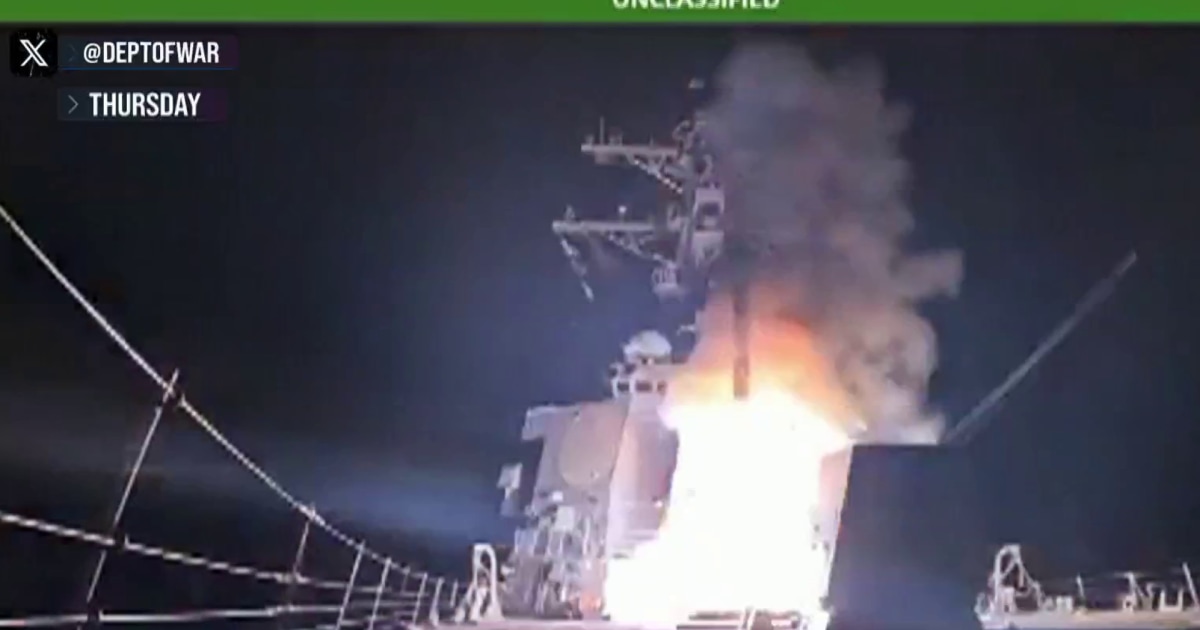
On December 25, 2025, the United States executed surprise airstrikes targeting ISIS militants in Nigeria, following accusations from President Joe Biden that the group has been responsible for the “slaughter” of Christians in the region. The strikes were part of a concerted effort to combat escalating violence attributed to the extremist group in northern Nigeria, where religious tensions have intensified.
These military actions come as part of a broader strategy to support the Nigerian government in its fight against terrorism. Reports indicate that the airstrikes successfully hit several key locations associated with ISIS operations. The U.S. military coordinated with the Nigerian military to ensure precision and minimize civilian casualties, a crucial factor in maintaining local support for international assistance.
In a statement released shortly after the strikes, President Biden emphasized the commitment of the United States to stand with Nigeria against terrorism. He remarked, “We will not tolerate the targeting of innocent lives, especially those who practice their faith.” The U.S. administration has faced increasing calls to take more decisive action against groups that threaten religious minorities, particularly in regions like northern Nigeria, where Christians have faced violent persecution.
The airstrikes were conducted as part of a larger military operation that has included intelligence sharing and logistical support for Nigerian forces. According to military sources, the operation was planned in advance, reflecting a growing urgency to respond to the deteriorating security situation in Nigeria.
In a related development, President Biden is set to host Ukrainian President Volodymyr Zelenskyy for peace talks on December 29, 2025, to discuss ongoing conflicts in Eastern Europe. This meeting underscores Biden’s commitment to international diplomacy and security cooperation amid various global challenges.
The incident in Nigeria has drawn attention from various international observers and human rights organizations. These groups have expressed concern over the rising violence and the humanitarian implications for local populations. Many are advocating for more robust international engagement to address the root causes of extremism and support vulnerable communities.
The strikes on Christmas Day mark a significant moment in U.S. foreign policy, particularly in light of the Biden administration’s focus on human rights and religious freedoms. As the international community watches closely, the effectiveness of these airstrikes in curbing ISIS activities in Nigeria will likely influence future U.S. military operations and humanitarian efforts in the region.
With the situation evolving, experts suggest that sustained efforts will be essential in ensuring long-term stability in Nigeria. The U.S. commitment to combating ISIS, coupled with diplomatic initiatives, may play a pivotal role in shaping the future landscape of security and religious tolerance in the country.