The United States maintains its status as the largest aviation market globally, with nearly 900 million passengers traveling on commercial flights in 2024. This figure surpasses China’s total by more than 140 million passengers, emphasizing the significant role American airports play in global air travel. The country’s busiest hubs dominate the landscape, serving millions of travelers annually.
Exploring the Top 7 Airports in the U.S.
As the year comes to a close, a closer look reveals the seven largest airports in the United States, each contributing to the overall passenger traffic surge.
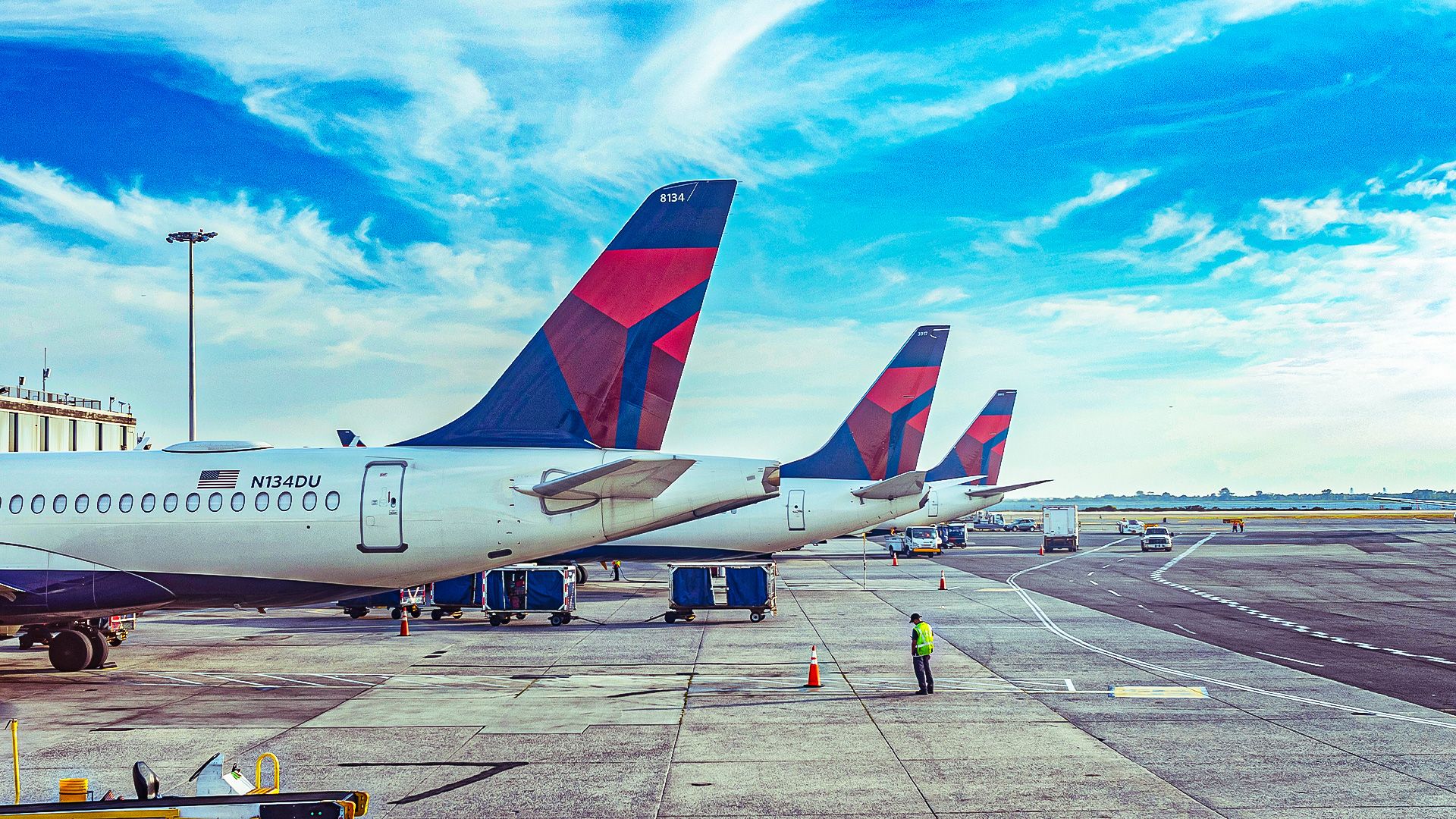
1. Hartsfield-Jackson Atlanta International Airport (ATL) continues to lead the pack with over 105 million passengers in 2024. This airport, which serves as the main hub for Delta Air Lines, has consistently ranked as the busiest airport globally since 1998, with about 800,000 flights recorded last year. ATL is crucial for both domestic and international travel, hosting more than 150 domestic and 70 international destinations across five continents.
2. Dallas/Fort Worth International Airport (DFW) follows closely, welcoming over 85 million passengers in 2024. DFW is not only the second-busiest airport in the U.S. but also ranks third globally. The airport is undergoing an ambitious expansion project, “DFW Forward”, which will invest up to $12 billion to build a new terminal and renovate existing facilities, aiming for a passenger count of 100 million annually by the end of the decade.
3. Denver International Airport (DEN) also achieved a remarkable passenger count of over 80 million in 2024. It is the largest airport by land area in the U.S. and ranks sixth worldwide by traffic. DEN serves as a major hub for United Airlines and Southwest Airlines, and its extensive land area allows for significant operational capacity, including the longest public runway in North America.
4. Chicago O’Hare International Airport (ORD) welcomed more than 80 million passengers last year, marking its busiest year ever. This airport features the most active runways of any civilian airport globally, with eight runways supporting its high volume of traffic. ORD serves as a key hub for both United and American Airlines, making it a vital connector for domestic and international flights.
5. Los Angeles International Airport (LAX) remains a critical player in U.S. aviation, serving over 75 million passengers. LAX is unique in that it hosts all three major legacy carriers: American, United, and Delta. With significant renovations underway in anticipation of the 2028 Olympics, LAX continues to enhance its facilities to accommodate increasing passenger demands.
6. John F. Kennedy International Airport (JFK) in New York recorded over 55 million passengers, experiencing its busiest month ever in August 2025. JFK is a vital hub with nonstop service to six continents, and it has a rich history dating back to its opening in 1948. The airport is known for its significant role in the development of international air travel, including hosting supersonic Concorde flights.
7. Charlotte Douglas International Airport (CLT) rounds out the list, serving over 55 million passengers. As American Airlines’ second-largest hub, CLT is undergoing a $4 billion capital improvement program to support its rapid growth, which includes the construction of a new runway and terminal enhancements.
The Future of U.S. Aviation
As U.S. airports continue to adapt to soaring passenger numbers, the focus remains on expanding infrastructure and improving operational efficiency. The ongoing developments at these top airports reflect a commitment to maintaining their status as global aviation leaders. With significant investments planned and new projects underway, the future of air travel in the United States looks promising, poised to welcome even more travelers in the coming years.
As the aviation industry evolves, these hubs will play a critical role in connecting millions of passengers, supporting economic growth, and shaping the future of global travel.