The United States announced additional sanctions on September 27, 2023, targeting four companies involved in Venezuela’s oil sector. The US Department of the Treasury’s Office of Foreign Assets Control (OFAC) designated four oil tankers as blocked property, alleging that they are part of a “shadow fleet” supporting the government of President Nicolás Maduro. This latest action reflects an escalation in the Trump administration’s campaign against Maduro, who has faced accusations of drug trafficking and evading sanctions.
In a statement, Secretary of the Treasury Scott Bessent emphasized the financial implications of these vessels: “These vessels, some of which are part of the shadow fleet serving Venezuela, continue to provide financial resources that fuel Maduro’s illegitimate narco-terrorist regime.” He reiterated the administration’s commitment to preventing the Maduro regime from profiting from oil exports while allegedly contributing to drug trafficking in the United States.
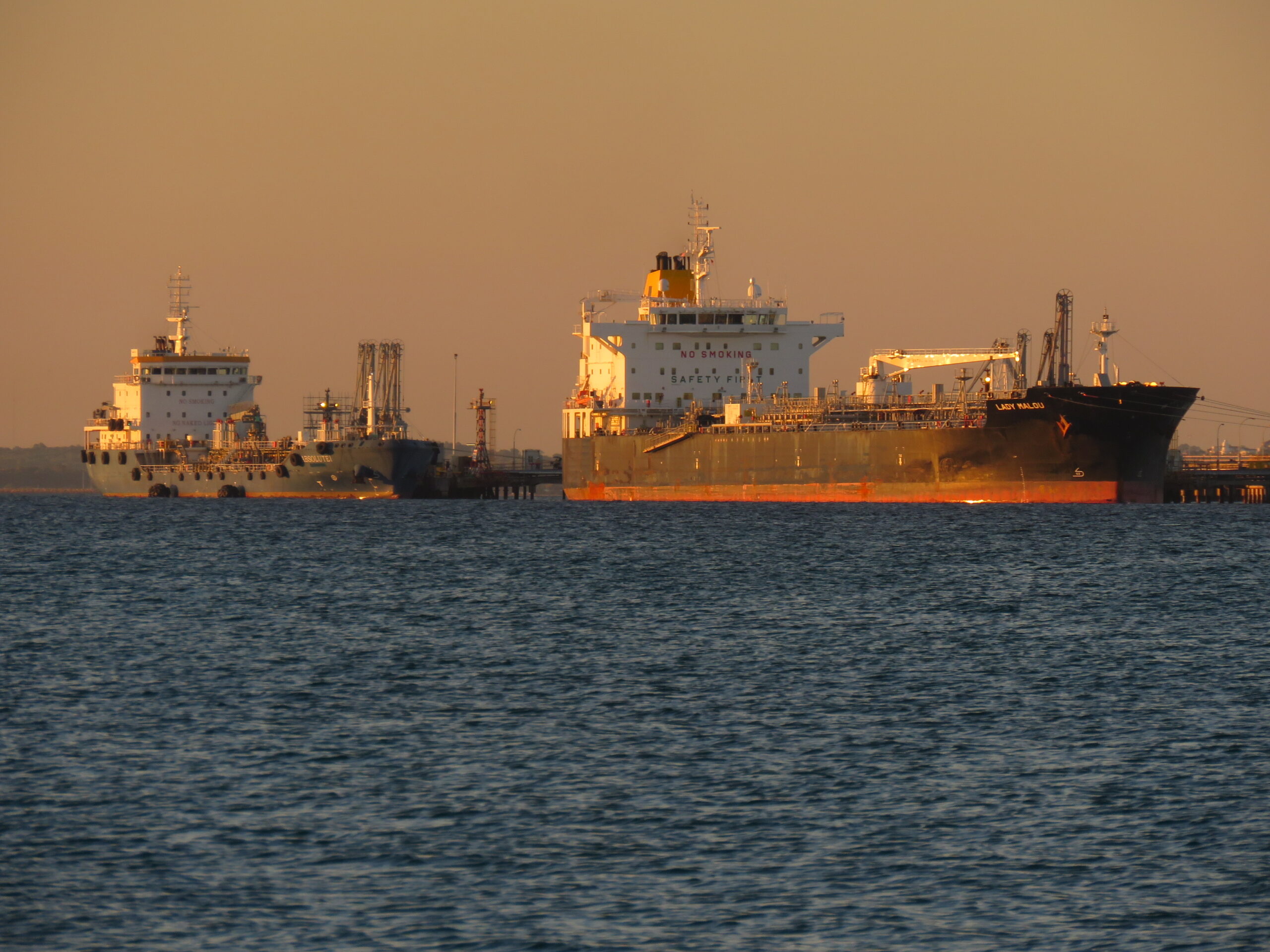
The sanctioned vessels include the Nord Star, Lunar Tide, Rosalind, and Della, along with their respective ownership companies. OFAC accused these firms of involvement in drug smuggling operations across the Caribbean Sea and eastern Pacific Ocean. Following these sanctions, any US-linked property associated with these entities will be blocked, and transactions involving them will require prior authorization from OFAC.
The sanctions also implement a ‘spillover’ rule, meaning that if any company is 50 percent owned by blocked entities, it will also be treated as blocked. Violating these sanctions could result in civil or criminal penalties. The Treasury Department warned that those involved in the Venezuelan oil trade face significant risks due to ongoing enforcement actions.
The international response to these sanctions has been critical. Notably, the United Nations has denounced the blockades, asserting that they violate fundamental rules of international law. UN experts highlighted that “there is no right to enforce unilateral sanctions through an armed blockade,” referencing Article 2(4) of the UN Charter. They argue that the use of force at sea and on land poses serious risks to human rights in Venezuela and its neighboring regions.
Despite these criticisms, the Trump administration defends its actions, stating that the blockade is “narrowly tailored” and does not target civilians. The government insists its measures are a necessary response to Maduro’s alleged ties to the Cartel de los Soles, described as a foreign terrorist organization by US authorities. This assertion has faced scrutiny, as evidence supporting the existence of this cartel remains limited.
Venezuela has categorically rejected the sanctions, calling them “illegal” and accusing the US of attempting to undermine its oil industry to facilitate political change. Oil is Venezuela’s primary export, and the sanctions are designed to isolate the country from international markets. As Venezuela contests these sanctions, the global community debates the legality of maritime enforcement, which may deter companies and insurers from engaging in the oil trade.
The announcement of these sanctions follows President Donald Trump’s declaration of a blockade on sanctioned oil tankers associated with Venezuela. This has intensified hostilities, with the US Navy conducting operations against vessels suspected of drug trafficking. Since early September, the UN has reported at least 30 attacks on civilian ships in the region, raising concerns about the implications for maritime safety and regional stability.
The situation remains dynamic, with the potential for further escalation as the US continues to enforce its sanctions while Venezuela seeks to counteract the economic pressures imposed by these actions.