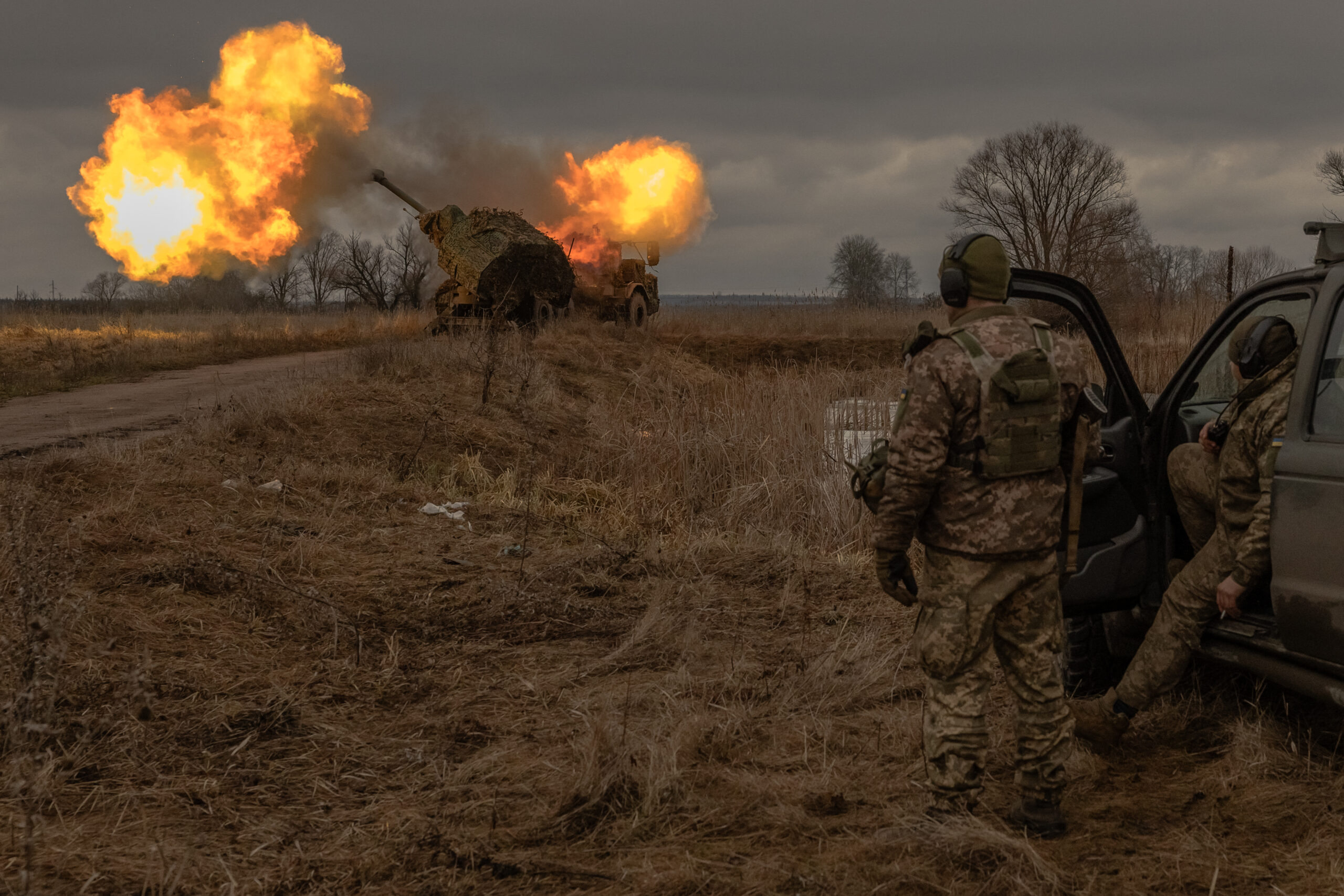
The United States has conducted airstrikes in northwest Nigeria, targeting members of the militant group known as ISIS. The operation, carried out by the US Africa Command (AFRICOM), took place on December 27, 2025, in Sokoto State. Although specific details about the strikes remain limited due to operational security concerns, the action reflects ongoing tensions in the region.
President Donald Trump announced the strikes on his social media platform, asserting that they were aimed at “ISIS Terrorist Scum” responsible for violent attacks against innocent civilians, particularly Christians. He highlighted the historical context of such violence, claiming it has reached levels “not seen for many years, and even centuries.”
Residents in the town of Jabo expressed surprise at the airstrikes, stating they had not witnessed any similar military actions in recent years. Reports indicated that strikes were focused on the Warriya and Alkassim villages, known for housing militant camps.
Yusuf Maitama Tuggar, Nigeria’s Foreign Minister, emphasized that the strikes were part of a “joint operation” and insisted they were not motivated by religious factors. He noted that preparations for the strikes had been ongoing for some time, hinting at the possibility of future military actions.
The airstrikes raise questions regarding the legal frameworks governing such military operations. Under the US Constitution, the President has the authority to order military strikes; however, large-scale offensive actions typically require congressional approval under the War Powers Resolution. This law has seen various presidents engage military forces without such approval since its enactment.
International law also plays a crucial role in assessing military actions. According to Customary International Humanitarian Law (CIHL), military operations must ensure that targets are legitimate military objectives. Further, military action can be justified under the inherent right of self-defense, as outlined in Article 51 of the United Nations Charter. This article stipulates that military responses must be in reaction to an armed attack and must be reported promptly to the UN Security Council.
The recent strikes come after a series of warnings from the Trump administration regarding Nigeria’s security situation. In November, President Trump directed the Pentagon to draft plans for military action in Nigeria, labeling the country a “country of particular concern” due to claims of persecution against Christians. Nigeria has faced numerous violent incidents, including mass abductions that have affected both Muslim and Christian communities.
In November 2025, over 300 students were abducted during a wave of coordinated attacks, underscoring the ongoing crisis in the region. These incidents have prompted increasing international scrutiny of Nigeria’s security challenges and the government’s responses.
While the airstrikes signify a bold military action, they also highlight the complexities of international law and military engagement. The evolving situation in Nigeria poses significant implications for both regional stability and international relations, as the US navigates its role in combating terrorism while adhering to legal and ethical standards.