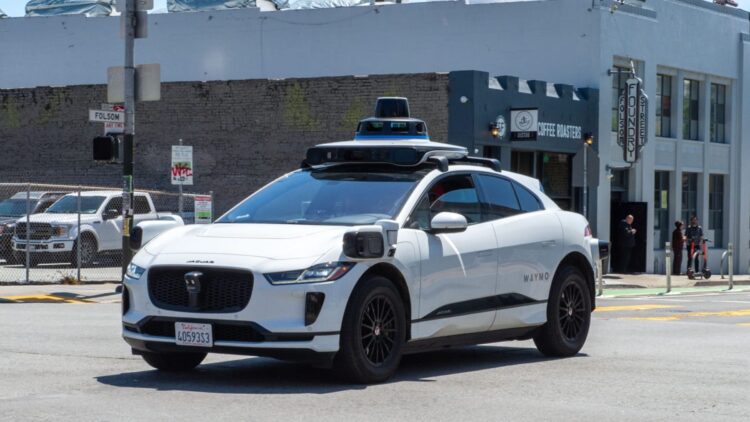
A recent incident involving a Waymo driverless taxi in Los Angeles has sparked concerns about public safety and the reliability of autonomous vehicles. At approximately 03:40 on Sunday, a Waymo vehicle entered a police checkpoint at Broadway and First Street, disregarding officers’ instructions to turn left. Fortunately, there were no injuries reported, according to both Waymo and the Los Angeles Police Department (LAPD).
The situation unfolded outside Times Mirror Square and the downtown federal courthouse during a police operation. Bystanders captured video of the unmanned vehicle making a right turn amidst a traffic stop, prompting police officers to approach with weapons drawn. The officers quickly realized they were dealing with a self-driving car, leading to heightened scrutiny of Waymo’s technology and protocols.
Waymo stated that the vehicle was stationary for over 15 seconds before moving, emphasizing that safety remains their top priority. A spokesperson for the company remarked, “When we encounter unusual events like this, we learn from them to continue improving road safety and operating in dynamic cities.” Despite the incident, Waymo assured the public that no drivers were fined, as the vehicle was unmanned.
Waymo’s Growing Challenges
This incident is not isolated; it follows a series of events that have drawn attention to the challenges facing autonomous vehicle technology. Since launching its public service in November 2024, Waymo has faced scrutiny due to multiple incidents. Earlier this year, the company reported that its self-driving vehicles had travelled more than 160 million kilometers without fatalities. However, unwanted headlines have emerged, including a viral incident in which a user allegedly deployed 50 Waymo vehicles down a dead-end street in San Francisco.
Further complicating matters, in June, five Waymo vehicles were set ablaze by anti-ICE protesters in Los Angeles. Additionally, in September, a Waymo vehicle made an illegal turn during a DUI checkpoint operation, further raising questions about the reliability of its navigation systems.
The LAPD’s Traffic Coordination Division regularly engages with Waymo to discuss protocols for driverless vehicles, aiming to enhance communication about technological advancements. Despite recent setbacks, Waymo continues to expand its services, with operations currently in Los Angeles, the San Francisco Bay Area, and Phoenix. Future expansions are planned for cities such as Miami, Orlando, Dallas, Houston, San Antonio, San Diego, Las Vegas, and Detroit.
Future Implications for Autonomous Vehicles
Public confidence in autonomous vehicle technology is crucial for its future success. While companies like Waymo have made strides in safety and technology, incidents like the one at the police checkpoint serve as reminders of the complexities involved in deploying self-driving cars in urban environments. As Waymo seeks to broaden its service offerings, including highway rides, it faces the ongoing challenge of ensuring that safety protocols are effective and transparent.
The implications of this incident may extend beyond just public perception. The effectiveness of autonomous vehicles in real-world scenarios is under constant scrutiny, and incidents that challenge their reliability could influence regulatory approaches and consumer acceptance. As Waymo continues to navigate these challenges, the road ahead will require vigilance and adaptability to maintain trust with the public and stakeholders alike.