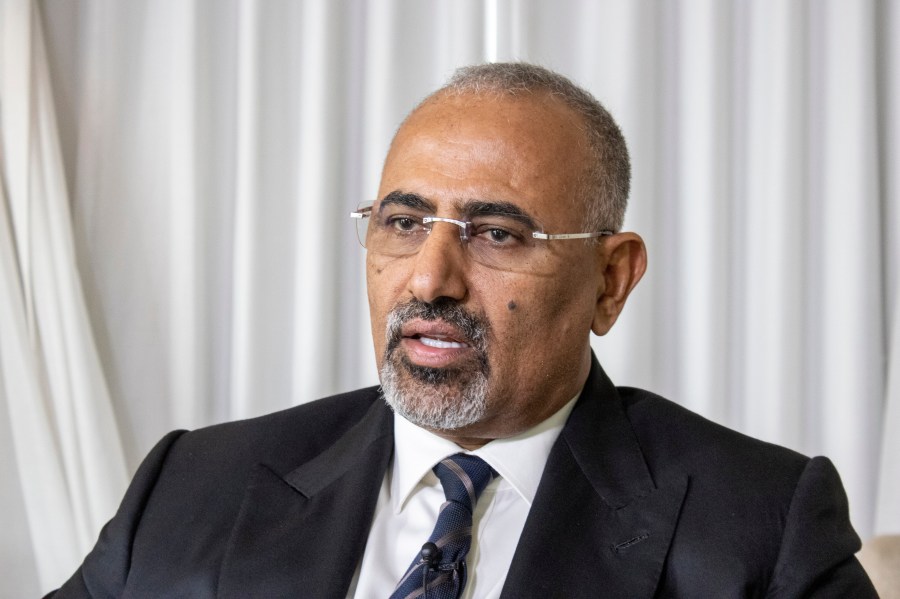
A council opposing Yemen’s Houthi rebels announced on October 4, 2023, that it has expelled the leader of a prominent separatist movement and charged him with treason. This decision follows the leader’s refusal to attend discussions in Saudi Arabia aimed at addressing ongoing conflicts. The statement was disseminated by the SABA news agency, which is under the control of anti-Houthi forces.
The council’s action marks a significant escalation in Yemen’s turbulent political landscape. It highlights the growing tensions between various factions vying for power amid the prolonged civil war. The leader, whose identity has not been disclosed in the announcement, has been a key figure in the separatist movement, which seeks greater autonomy for southern regions of Yemen.
According to reports, the refusal to engage in talks in Saudi Arabia was a pivotal factor leading to his expulsion. The council accused him of failing to act in the best interests of the anti-Houthi coalition, further intensifying the rift within the group. The treason charges underscore the seriousness of the situation, as internal divisions become more pronounced in the face of external pressures.
Background of the Conflict
Yemen has been embroiled in civil war since 2014, when Houthi rebels seized the capital, Sana’a, forcing the internationally recognized government into exile. The conflict has drawn in regional powers, notably Saudi Arabia, which leads a coalition supporting the Yemeni government. Efforts to broker peace have faced numerous setbacks, with various factions, including separatists and Islamist groups, complicating the landscape.
The separatist movement, primarily based in southern Yemen, has gained traction in recent years, advocating for independence from the north. This movement has periodically clashed with both the Houthis and the central government, creating a multifaceted conflict that hinders resolution efforts.
Recent developments have raised concerns among observers regarding the stability of the anti-Houthi coalition. The expulsion of the separatist leader may indicate deeper fractures within the alliance, which could undermine unified efforts against the Houthis. Analysts suggest that continued infighting among anti-Houthi factions could benefit the Houthis, who remain entrenched in their positions.
Implications for Peace Talks
The expulsion of the separatist leader could have significant implications for ongoing peace talks led by Saudi Arabia. The kingdom has played a crucial role in mediating discussions aimed at ending the conflict. With the recent tensions, the likelihood of a cohesive strategy among anti-Houthi groups appears to be diminishing.
Observers are now questioning the feasibility of achieving a comprehensive peace agreement. The lack of unity among anti-Houthi factions may hamper efforts to establish a stable political framework for Yemen’s future. The outcome of this latest incident could shape the trajectory of the conflict as stakeholders reassess their positions.
In conclusion, the expulsion of the separatist leader by the anti-Houthi council represents a critical moment in Yemen’s ongoing civil conflict. As factions grapple with internal divisions, the path to peace remains fraught with challenges.