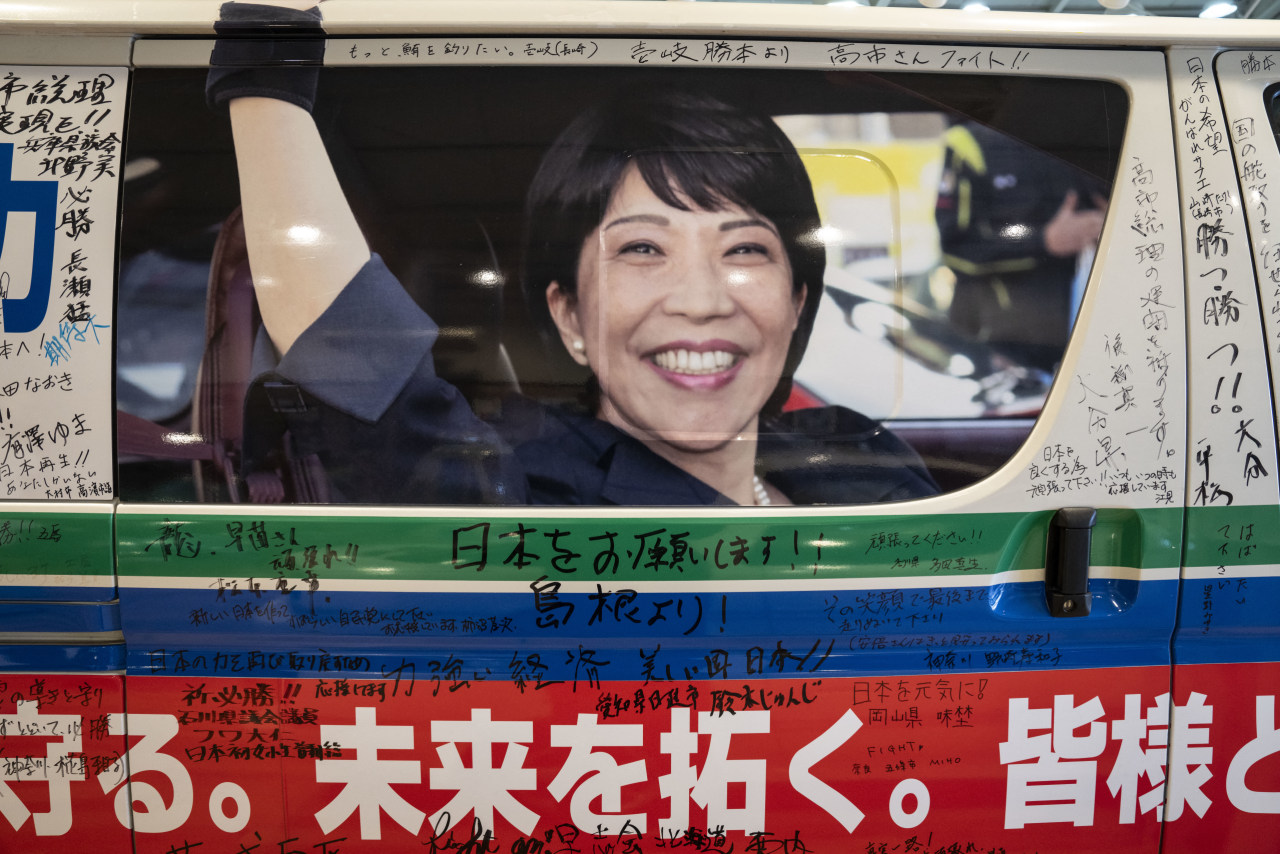
Ahead of the upcoming general election in Japan, scheduled for 2025, young voters are increasingly expressing support for Sanae Takaichi, the country’s Prime Minister. Known for her dedicated work ethic and effective use of social media, Takaichi is capturing the attention of a demographic that has often felt disconnected from traditional political processes.
Takaichi, a member of the ruling Liberal Democratic Party (LDP), has cultivated a strong online presence that resonates with younger constituents. Her approach goes beyond conventional campaigning, as she actively engages with voters through various social media platforms. This strategy appears to be paying off, as surveys indicate a rising approval rating among younger voters.
A recent poll by the Asahi Shimbun shows that approximately 65% of voters aged 18-34 view Takaichi favorably. This marks a significant increase compared to earlier in her tenure, highlighting her growing influence within this age group. The Prime Minister’s ability to connect through digital channels has contributed to this rise, making her one of the more relatable figures in Japan’s political landscape.
Takaichi’s policies, including initiatives focused on job creation, education reform, and climate change, appeal to the priorities of younger voters. Her commitment to addressing issues that matter to this demographic is evident in ongoing discussions surrounding economic opportunities and environmental sustainability. She emphasizes a vision that aligns with the aspirations of the youth, aiming to create a more inclusive and forward-thinking Japan.
In addition to her policy initiatives, Takaichi’s personal story resonates strongly. As a female leader in a predominantly male political sphere, she represents a shift towards greater gender equality in governance. This aspect of her identity adds to her appeal, inspiring many young women to engage more actively in the political process.
Social media plays a pivotal role in Takaichi’s outreach. Her posts often include personal anecdotes, updates on policy developments, and interactive Q&A sessions, fostering a sense of community among her followers. This strategy not only enhances her visibility but also allows her to respond directly to the concerns and questions of young voters.
The engagement of younger voters is crucial for the future of Japan’s political landscape. Historically, this demographic has been less likely to vote, raising concerns about their representation. Takaichi’s efforts to mobilize this group could signify a shift in political participation, potentially influencing the outcomes of the 2025 election.
As Japan faces various challenges, including economic recovery post-COVID-19 and regional security issues, the perspectives of young voters will be essential. Takaichi’s approach to governance, characterized by a blend of traditional values and modern communication techniques, positions her as a formidable candidate in the eyes of the youth.
Looking ahead, the challenge will be maintaining this momentum as the election date approaches. Takaichi’s ability to sustain her appeal among young voters will likely play a significant role in determining the success of the LDP in the forthcoming election. Her ongoing efforts to bridge the gap between politics and the younger generation could pave the way for a more engaged electorate in Japan.