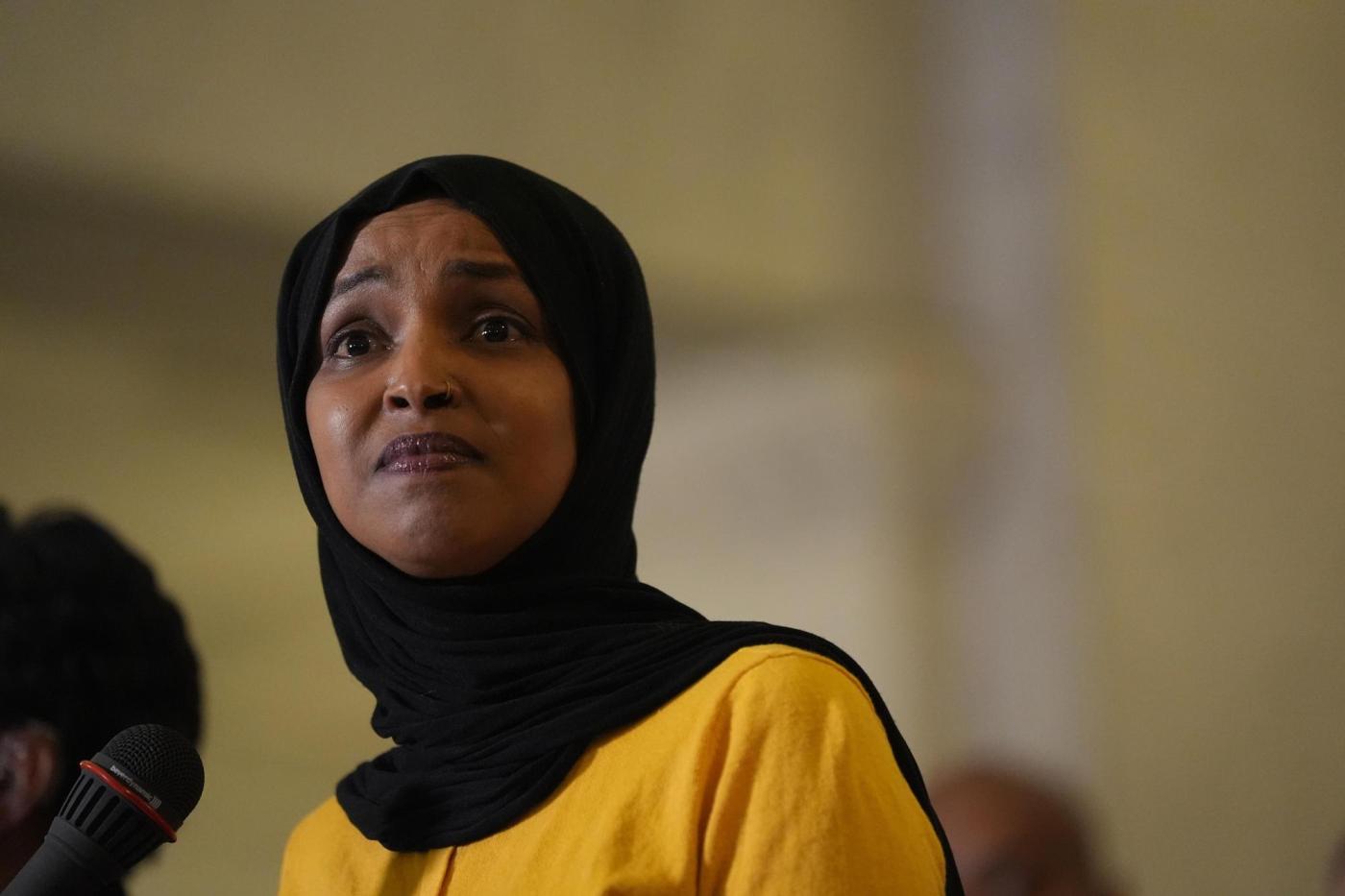
Rep. Ilhan Omar, a Democrat representing Minnesota, has publicly defended her support for the 2020 MEALS Act, despite its connection to an alleged fraud scheme in the state. Omar stated she does not regret advocating for the legislation, which was designed to provide meals to children during the COVID-19 pandemic. When asked in a recent interview whether she believed the bill contributed to the fraud, Omar asserted, “Absolutely not, it did help feed kids,” while entering an elevator.
The MEALS Act has been linked to the “Feeding Our Future” program, which authorities claim is one of the largest fraud schemes related to COVID-19 in Minnesota. Concerns arose particularly regarding how federal funds were managed through waivers utilized by the Department of Agriculture to adapt school meal programs. According to Fox News, the mismanagement of these funds has drawn significant scrutiny.
Federal prosecutors have charged more than 75 individuals associated with the alleged scheme, which reportedly involved Somali immigrants. In a statement on X, Kash Patel, the FBI Director, expressed outrage over the alleged theft of approximately $250 million intended for vulnerable children, stating, “Stealing $250M from hungry kids to buy mansions and luxury cars is as shameless as it gets.” He commended the FBI for uncovering what he described as one of the worst frauds in Minnesota history.
Omar’s comments come as her home state is facing further controversy. A recent report highlighted concerns over taxpayer funding for daycare centers in Minneapolis that appear to be vacant. Minnesota Governor Tim Walz, who was the running mate of Kamala Harris in the 2024 election, is facing increasing criticism following the release of a video by independent journalist Nick Shirley. The footage shows Walz visiting the Quality Learning Center in South Minneapolis, a facility licensed for 99 children that has reportedly received around $4 million in state funding. The center displayed a sign with a misspelling and showed no visible children, raising questions about the management of public funds.
Critics argue that issues with daycare funding and other public assistance programs have gone unchecked by state leaders. Patel emphasized that the investigation into the fraud is ongoing, asserting, “The FBI believes this is just the tip of a very large iceberg. We will continue to follow the money and protect children.”
As these investigations unfold, the implications of the MEALS Act and its effects on Minnesota’s vulnerable populations remain a critical point of discussion for both state leaders and constituents. Omar’s insistence on the act’s positive impact on child nutrition highlights the complex interplay between legislative intent and the management of federal funds.