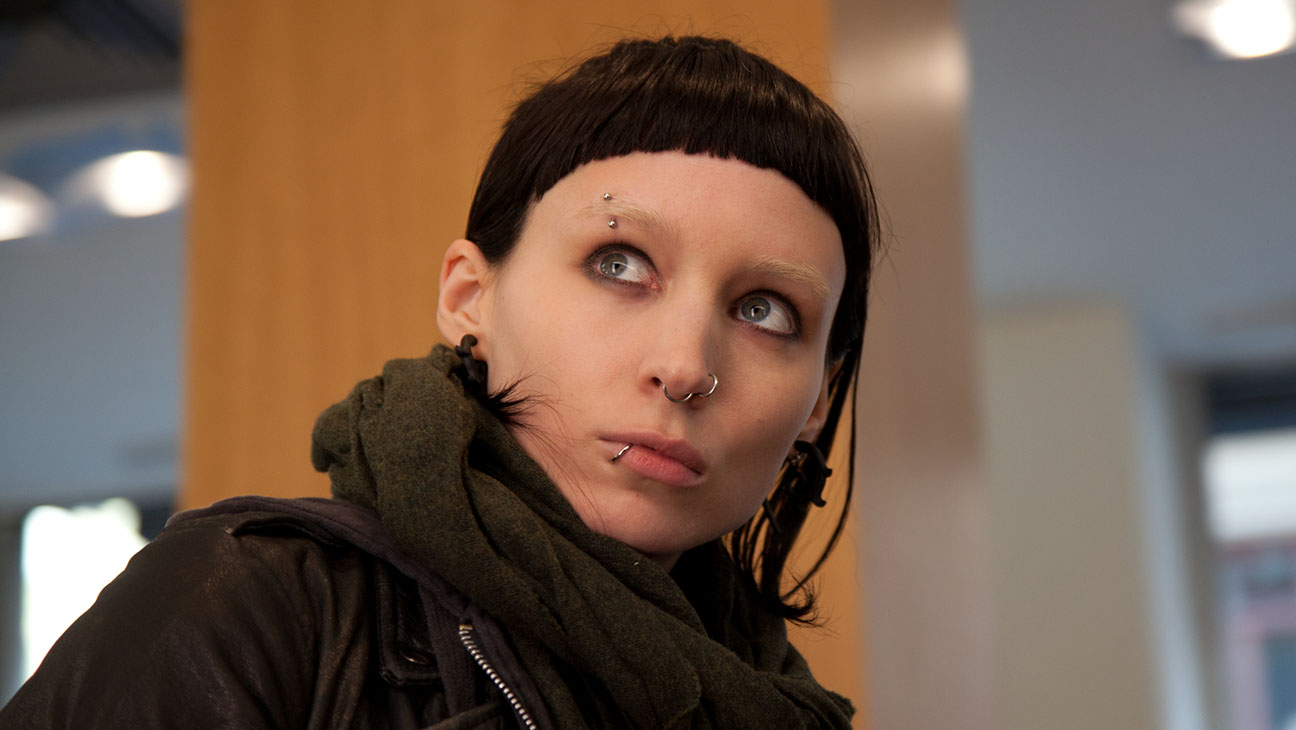
Sky has officially announced the development of an eight-part television series based on Stieg Larsson’s acclaimed novel, The Girl with the Dragon Tattoo. The production, led by Left Bank Pictures, is set to offer a modern reinterpretation of the story, focusing on the intricate characters and investigative themes that define Larsson’s Millennium series. This new adaptation aims to resonate with contemporary audiences, tackling themes that hold significant relevance today.
The Millennium novels have achieved remarkable success, selling over 100 million copies worldwide. The original novel was famously adapted into a feature film in 2011, with a screenplay by Steven Zaillian and direction from David Fincher. The film starred Daniel Craig and Rooney Mara as they portrayed the compelling duo of disgraced journalist Mikael Blomkvist and the enigmatic hacker Lisbeth Salander, who together seek to unravel a decades-old mystery. This cinematic version was followed by another adaptation, The Girl in the Spider’s Web, released in 2018.
Production Details and Creative Team
Although casting details for the upcoming series remain under wraps, production is scheduled to begin in spring 2024 in Lithuania. The series will be penned and executive produced by Steve Lightfoot, known for his work on The Punisher and Behind Her Eyes, alongside Angela LaManna, who has credits including The Haunting Of Bly Manor. They will be joined by executive producers Andy Harries, Charlotte Moore, and John Phillips from Left Bank Pictures, and Sam Hoyle representing Sky.
The series will be available on Sky platforms in the U.K., Ireland, Italy, Germany, Switzerland, and Austria. Additionally, Sony Pictures Television will oversee international distribution, with pre-sale efforts already initiated in the U.S.
This new adaptation of The Girl with the Dragon Tattoo is poised to capture the essence of Larsson’s work while introducing the iconic story to a new generation of viewers. As production moves forward, anticipation builds for how this reimagining will unfold on the small screen.