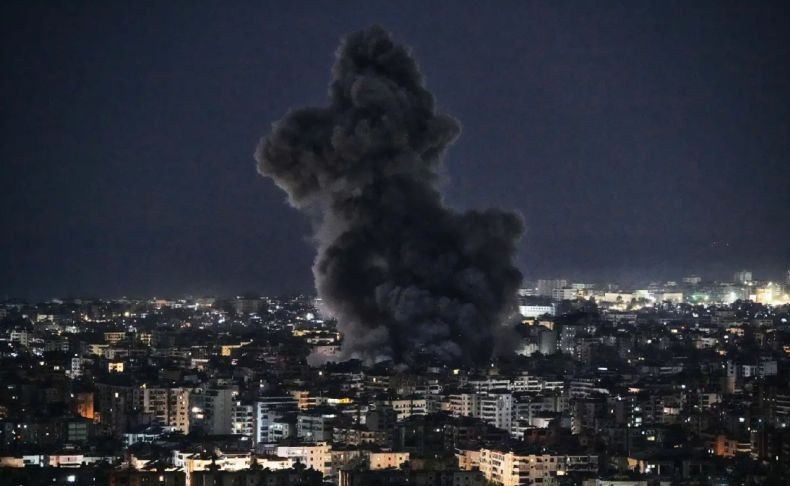
The ongoing conflict between the United States, Israel, and Iran has intensified suffering for the residents of Gaza, Palestine. Food prices have surged dramatically in just a few days, while supplies are dwindling following the closure of border crossings. As tensions in the Middle East rise, residents of Gaza are flocking to markets to purchase essential goods that are still available and affordable. Many families fear that the food they find today may be gone from store shelves by tomorrow.
According to Al Jazeera, the escalation of warfare is directly impacting daily life in Gaza. Residents and traders report that price increases have occurred at an alarming rate. Basic necessities are becoming scarce, with some items no longer available in markets. The already limited food supply continues to diminish, compounded by stricter access at border crossings.
Border Closures Intensify Humanitarian Crisis
Nearly all of Gaza’s basic needs, including food, fuel, and medical supplies, are transported via trucks from Israel and Egypt. When crossings are closed or their capacity is restricted, the effects are felt immediately across markets, hospitals, and clean water services.
The Kerem Shalom Crossing, known as Karem Abu Salem in Palestine, was closed on February 28, 2024, following military actions by Israeli and American forces against Iran. This closure halted humanitarian aid and obstructed the evacuation of patients requiring medical care outside Gaza. Although the crossing has since reopened on a limited basis to allow gradual humanitarian assistance, access remains severely restricted. In contrast, the Rafah Crossing with Egypt remains closed, further exacerbating the crisis.
Humanitarian organizations are assessing the situation and have determined that the amount of aid currently entering Gaza is far from sufficient to meet the needs of the population. With the conflict showing no signs of abating, the risk of food insecurity looms larger for the residents of Gaza, highlighting the urgent need for a sustained humanitarian response.